Boat Builder Indonesia: Commissioning Your Custom Phinisi Yacht in Sulawesi


Boat Builder Indonesia: Commissioning Your Custom Phinisi Yacht in Sulawesi

To commission a phinisi is to participate in a living tradition. It is a journey that moves beyond mere acquisition into the realm of creation, pairing your vision with the peerless craftsmanship of South Sulawesi. As the definitive guide and project partner, Boat Builder Indonesia provides the expertise and oversight required to navigate this process, ensuring your vessel is not only a masterpiece of naval architecture but a sound, seaworthy investment built to the highest standards of the craft.

The Enduring Legacy of the Phinisi: A Sulawesi Heritage

Long before the age of satellite navigation and composite hulls, the Bugis and Konjo seafarers of South Sulawesi were masters of the archipelago. Their vessels, the legendary phinisi, were the lifeblood of the spice trade, formidable trading ships that charted the vast, complex waters between continents. This was not merely boatbuilding; it was a cultural institution, a craft passed down through generations, where intuition and ancestral knowledge guided every swing of the adze.

In 2017, UNESCO formally recognised this profound heritage, inscribing the “Art of Boatbuilding in South Sulawesi” onto its list of the Intangible Cultural Heritage of Humanity. This acknowledgement celebrates more than just the physical boat. It honours the entire ecosystem of rituals, community collaboration, and the unwritten wisdom of the master builders, or kepala tukang. The construction process itself is steeped in ceremony, from the selection of timbers to the keel-laying and the final, spectacular launch, where an entire village comes together to guide the hull to the sea.

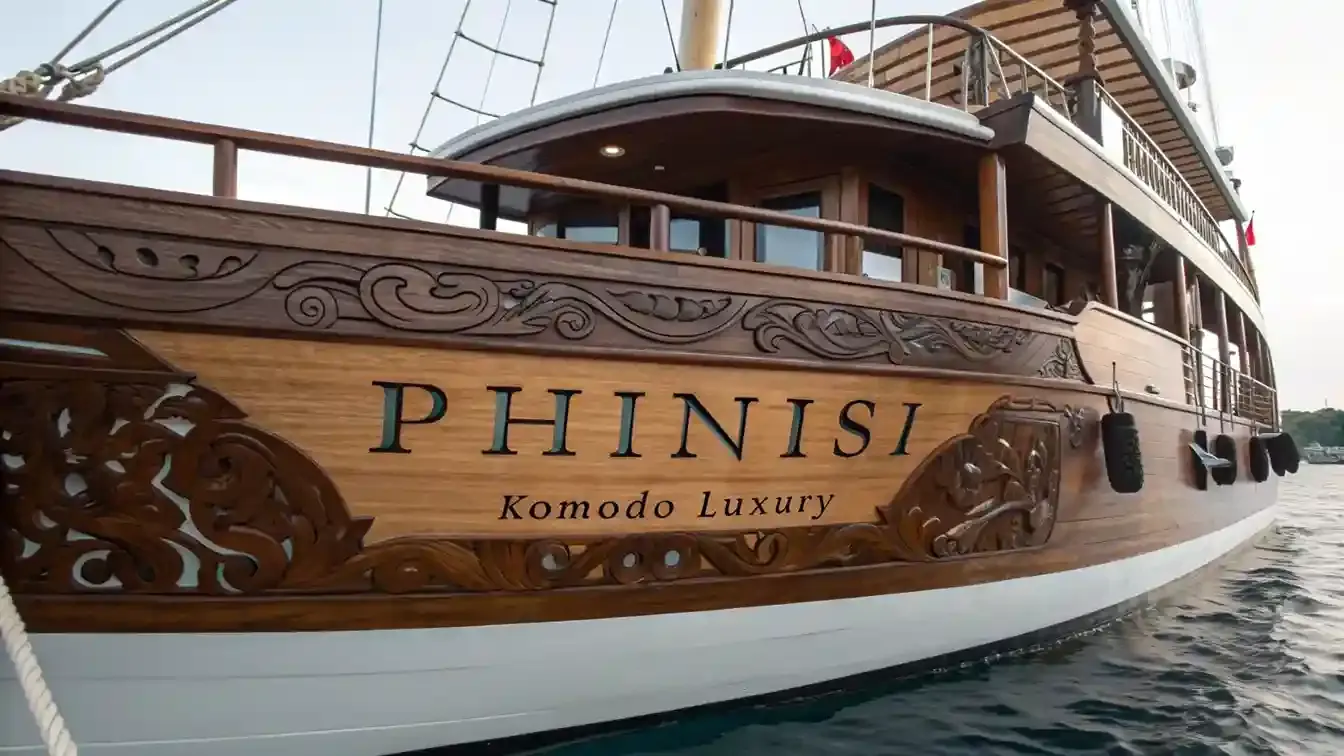
When you choose to work with a boat builder in Indonesia, you are stepping into this lineage. The phinisi of today marries this ancient tradition with the demands of modern luxury travel. It is a vessel with a soul, carrying the echoes of maritime history in its ironwood keel while offering the comfort, safety, and technological sophistication expected of a world-class superyacht. It is a testament to the idea that true luxury is not manufactured, but crafted with purpose and history.

Why Commission a Custom Build with a Boat Builder in Indonesia?

The decision to commission a custom yacht is significant. Opting for a traditional build in Indonesia presents a unique proposition that transcends the conventional shipyard experience. It is an opportunity to create a vessel that is entirely singular, imbued with a character and artistry that cannot be replicated in a fibreglass mould. The primary allure lies in the unparalleled craftsmanship available in the shipyards of Bira and Bulukumba.

Here, shipbuilding is not an industrial process but an art form. Craftsmen work by eye, shaping massive timbers with a skill that seems almost innate. The result is a vessel of exceptional strength and beauty, where every joint and every plank tells a story of human ingenuity. This artisanal approach, combined with access to some of the world’s most sought-after tropical hardwoods like ironwood (Ulin) and teak (Jati), allows for the creation of yachts that are both incredibly durable and aesthetically breathtaking.

Furthermore, the value proposition is compelling. While a phinisi is a significant investment, the cost of labour and materials in Indonesia allows for a level of customisation and hand-finished quality that would be financially prohibitive in European or American yards. This is not about finding a “cheap” alternative; it is about achieving a superior, bespoke product for a sensible investment. A custom-built phinisi from a reputable boat builder in Indonesia is not just a luxury asset; it is a piece of living history, a floating gallery of master craftsmanship, and a gateway to exploring the world’s most beautiful archipelago.

The Heart of Indonesian Shipbuilding: Bira and Bulukumba

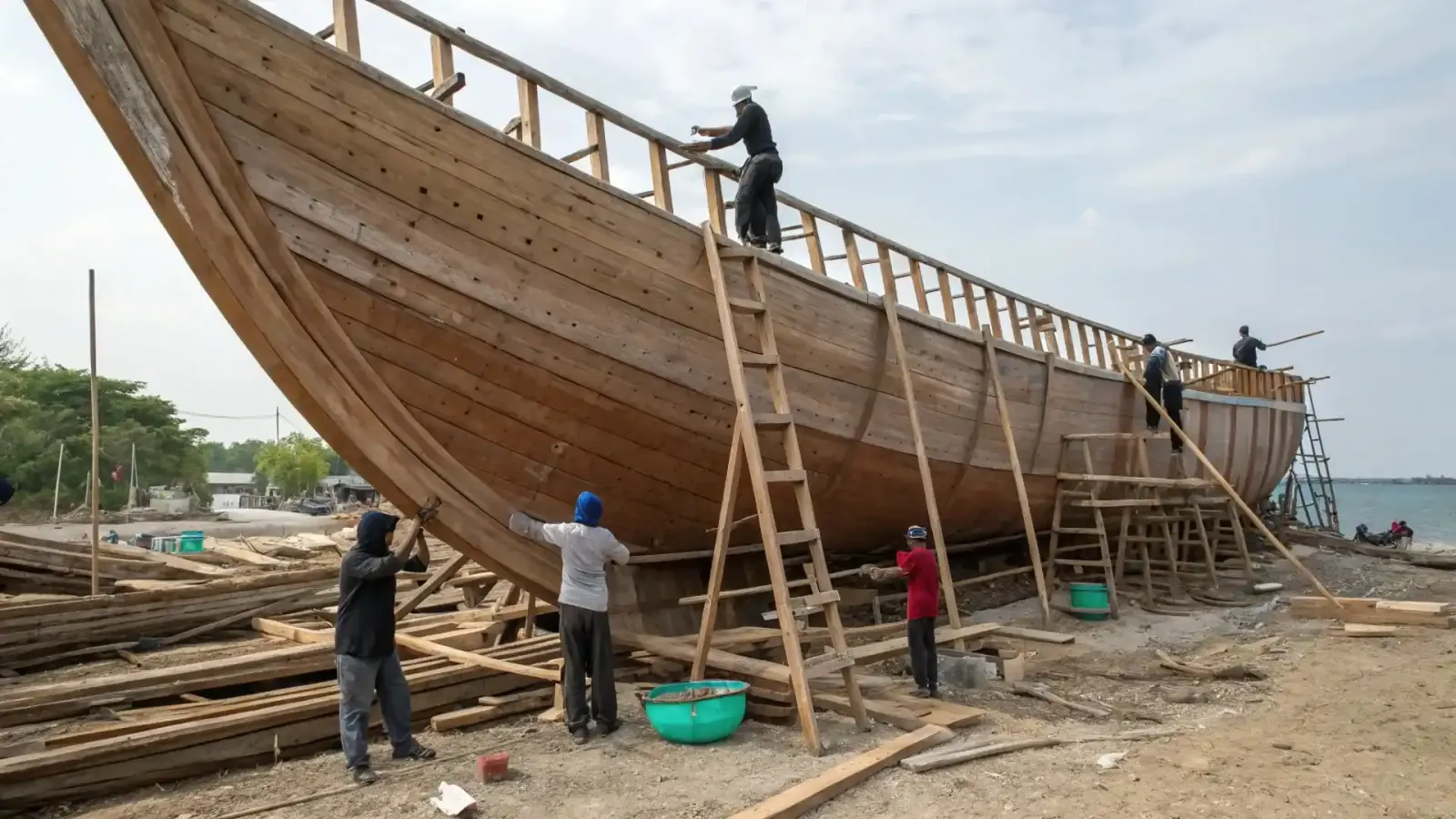
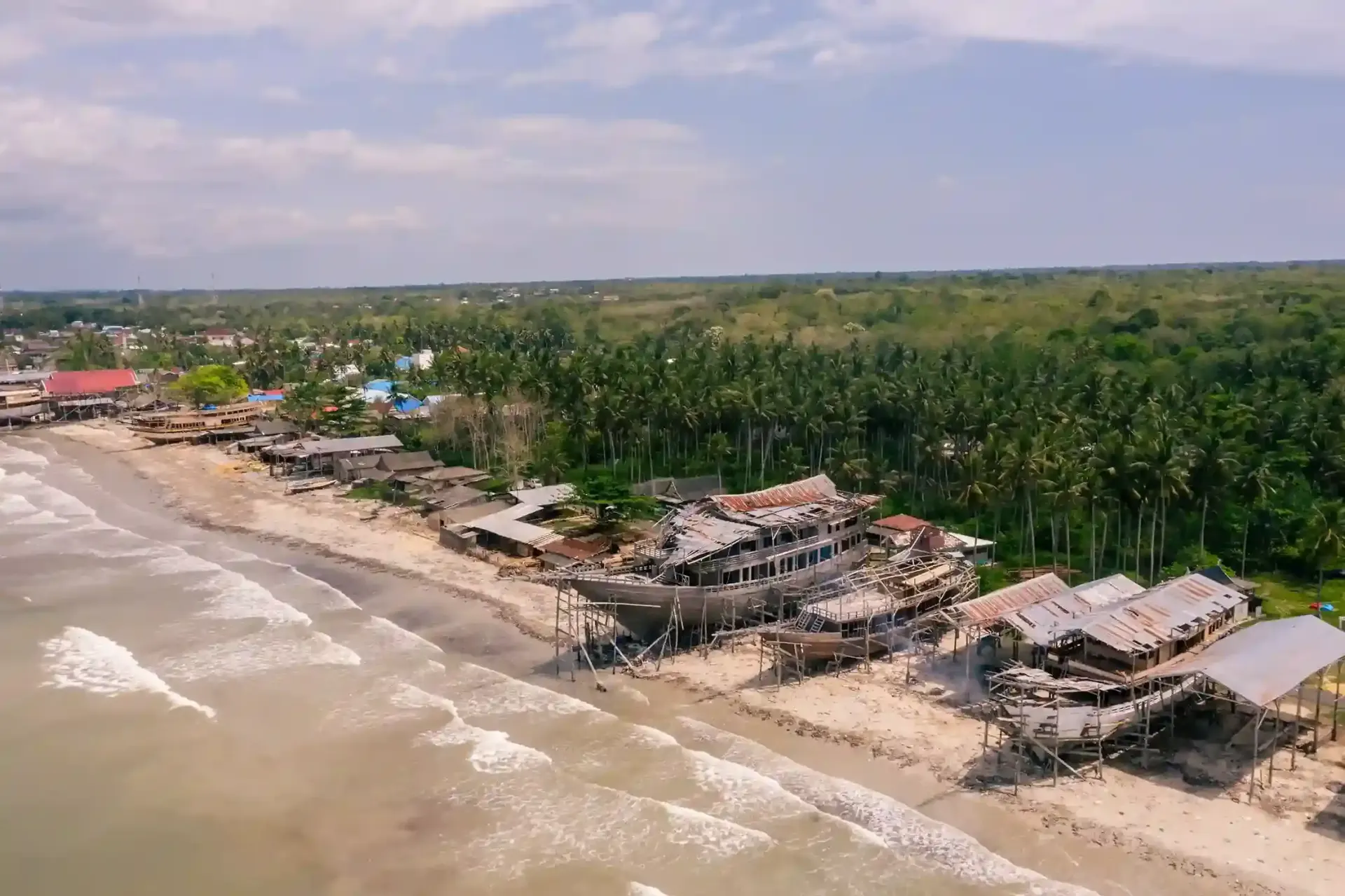
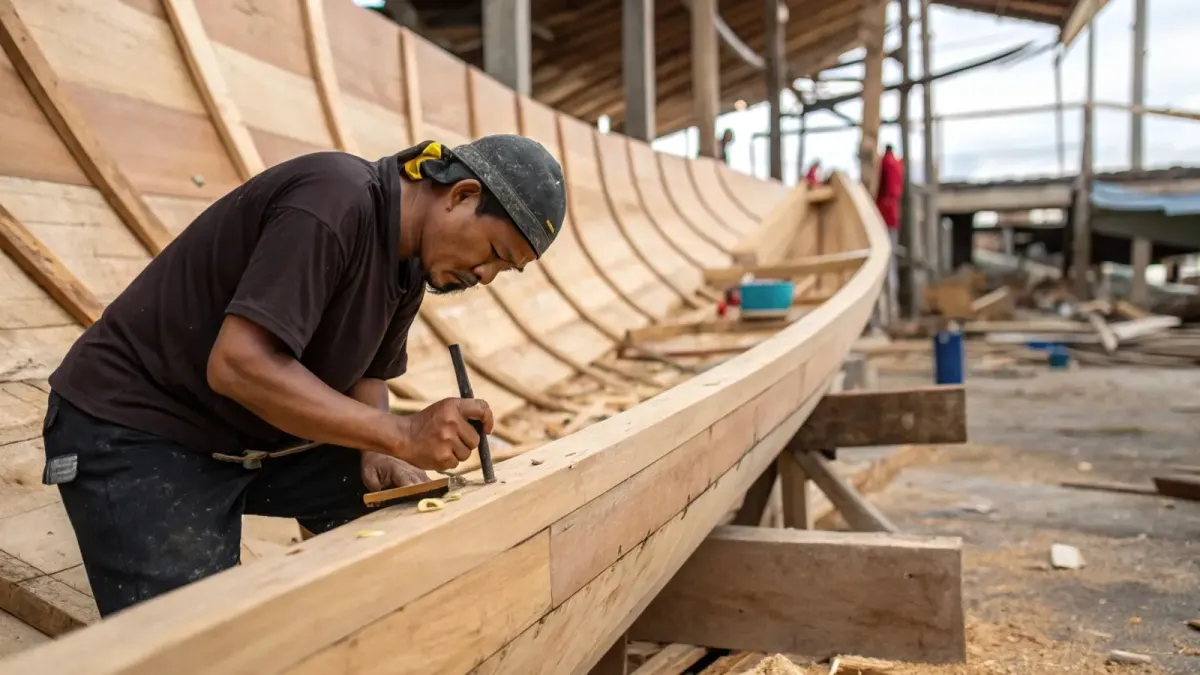
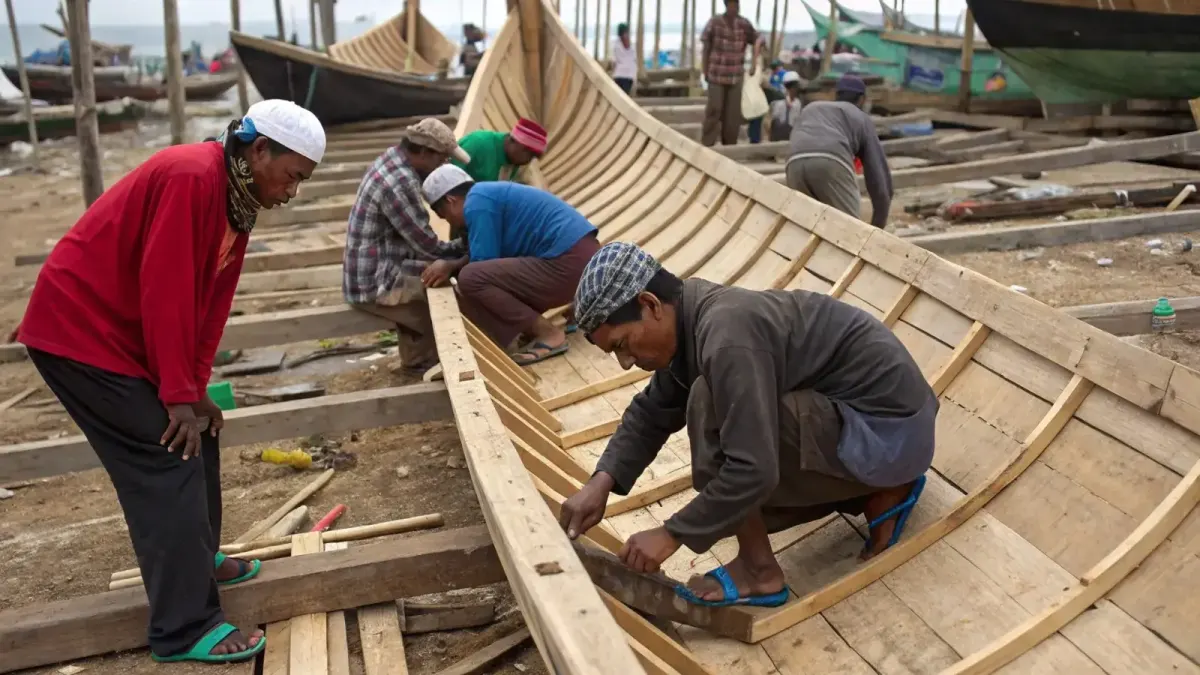
The southern coast of Sulawesi is the epicentre of this ancient craft. Travel to the regency of Bulukumba, and specifically to the coastal villages of Bira, Tanah Beru, and Ara, and you will find the shoreline transformed into a sprawling, open-air shipyard. Here, against the backdrop of the Flores Sea, the skeletons of future yachts rise from the white sands. The air is thick with the scent of freshly cut teak and the rhythmic percussion of hammers and adzes striking timber.

This is not a place of modern ship lifts and climate-controlled sheds. It is raw, authentic, and deeply connected to its environment. Hulls are constructed entirely by hand on the beach, propped up by a complex system of logs and supports. The builders, predominantly from the Konjo tribe, are the direct inheritors of this boatbuilding legacy. They work with a quiet confidence, their movements economical and precise, shaping the colossal timbers that form the vessel’s frame and hull planking.

Visiting the shipyards of Tanjung Bira is an essential part of the commissioning journey. It is here that you gain a true appreciation for the scale and artistry of the project. You can walk beneath the towering hull of a 50-metre phinisi in progress, run your hand over the smooth, dense grain of an ironwood keel, and speak with the kepala tukang who will bring your vision to life. This direct connection to the place, the people, and the process is a profound experience, grounding your future yacht in a rich cultural and geographical context that few other builds can offer.

Our Vetted Shipyards: A Symphony of Ironwood and Teak

The romantic image of traditional shipbuilding must be balanced with the rigorous demands of modern marine standards. This is the critical role that Boat Builder Indonesia fulfils. We serve as your on-the-ground project manager, technical advisor, and quality assurance partner. Our value lies in our meticulously curated network of shipyards and master craftsmen. We do not work with everyone; we partner only with builders whose lineage is proven, whose work meets international expectations, and whose integrity is beyond question.

The Vetting Process

Our selection process is exhaustive. We assess a shipyard’s history of successful launches, the quality of their joinery, their understanding of modern marine systems integration, and their financial stability. We inspect their previous builds, speak with former clients, and ensure their material sourcing is both ethical and of the highest grade. This due diligence mitigates risk and ensures that your project is placed in the hands of a true master boat builder in Indonesia, not just a capable carpenter.

A Focus on Materials

The soul of a phinisi lies in its timber. We ensure that only the finest, properly seasoned woods are used in construction. The keel and frames are typically laid with kayu ulin (Bornean ironwood), a timber so dense it sinks in water, offering unparalleled resistance to marine borers and rot. For the hull planking, decks, and superstructure, we specify premium Sulawesi or Javanese teak (kayu jati), prized for its beauty, stability, and natural oils that protect it from the elements. Every plank is hand-selected, ensuring the grain, colour, and quality are consistent with the standards of a luxury yacht.

The Commissioning Process: From Blueprint to Blue Water

Commissioning a custom phinisi is a collaborative journey that typically spans 18 to 30 months. Our role is to provide a clear, structured framework for this process, ensuring transparency and communication at every stage. We translate your vision into a technical reality, bridging the gap between your expectations and the traditional methods of the builders.

The process unfolds through several key phases:

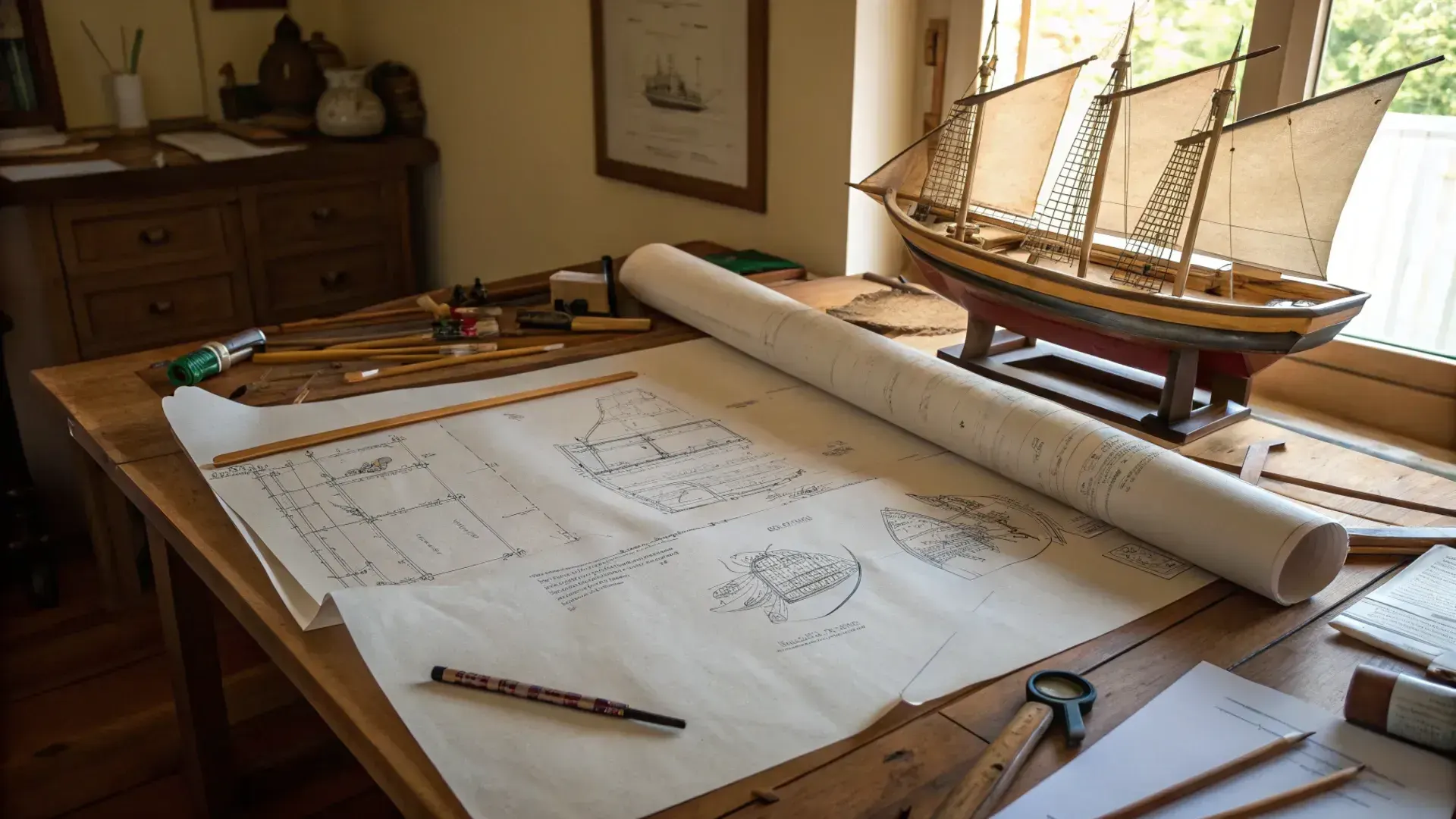
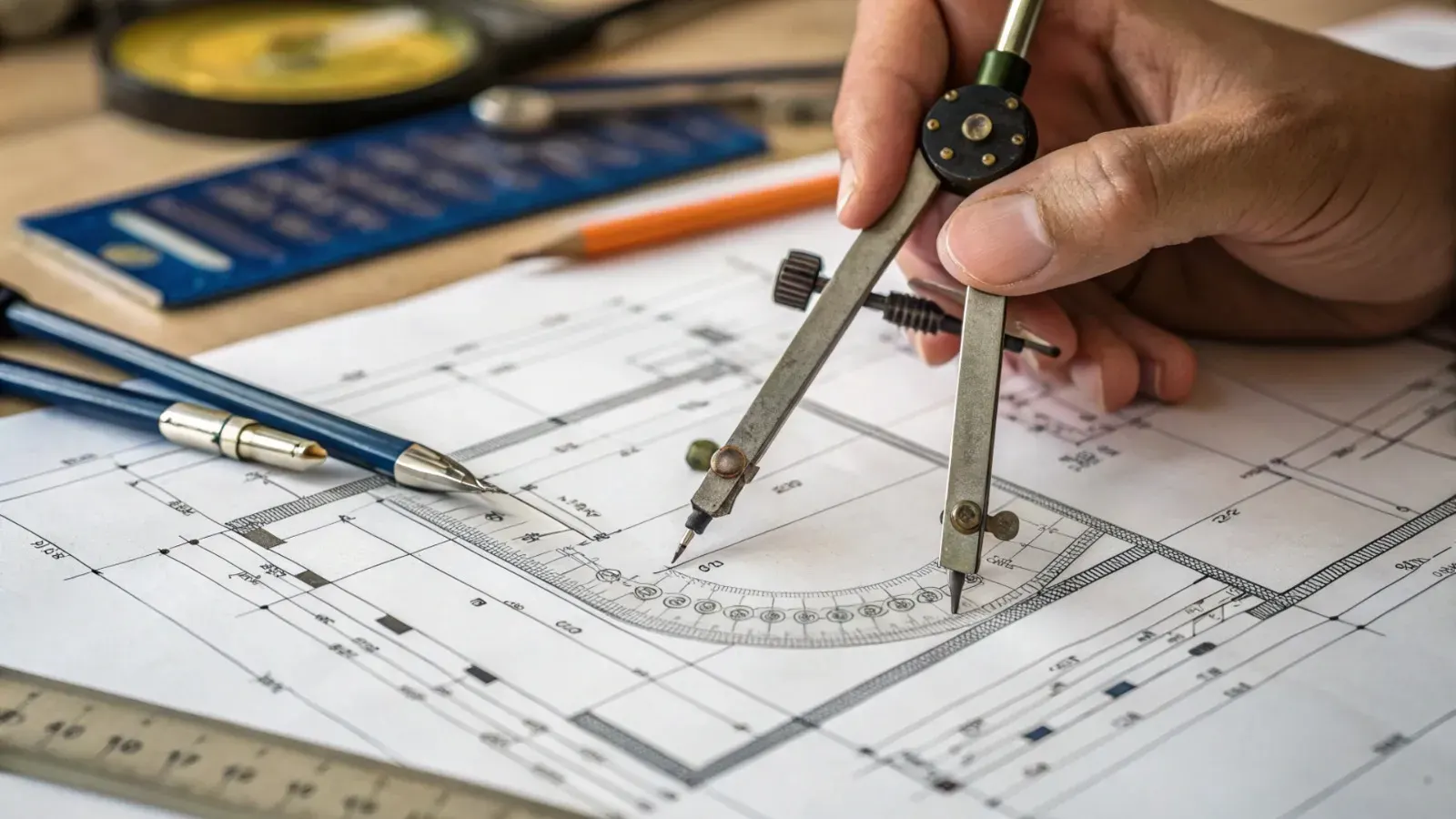
  1. Consultation and Design: We begin with in-depth discussions to understand your operational needs, aesthetic preferences, and budget. We then collaborate with proven naval architects and designers to develop a comprehensive spec sheet, General Arrangement (GA), and detailed construction plans that blend your vision with the structural integrity and timeless lines of the phinisi.
  2. Shipyard Selection and Contract: Based on the design, we select the most suitable vetted shipyard and kepala tukang for your project. We then facilitate a clear, comprehensive construction contract with a defined payment schedule tied to specific, verifiable construction milestones.
  3. Construction and Oversight: This is the longest phase, where the vessel takes shape. Our team provides constant on-site supervision, sending detailed weekly or bi-weekly progress reports with photographs and technical commentary. We manage the integration of modern systems—engines, generators, navigation, plumbing, and electrical—ensuring they are installed to international marine standards.
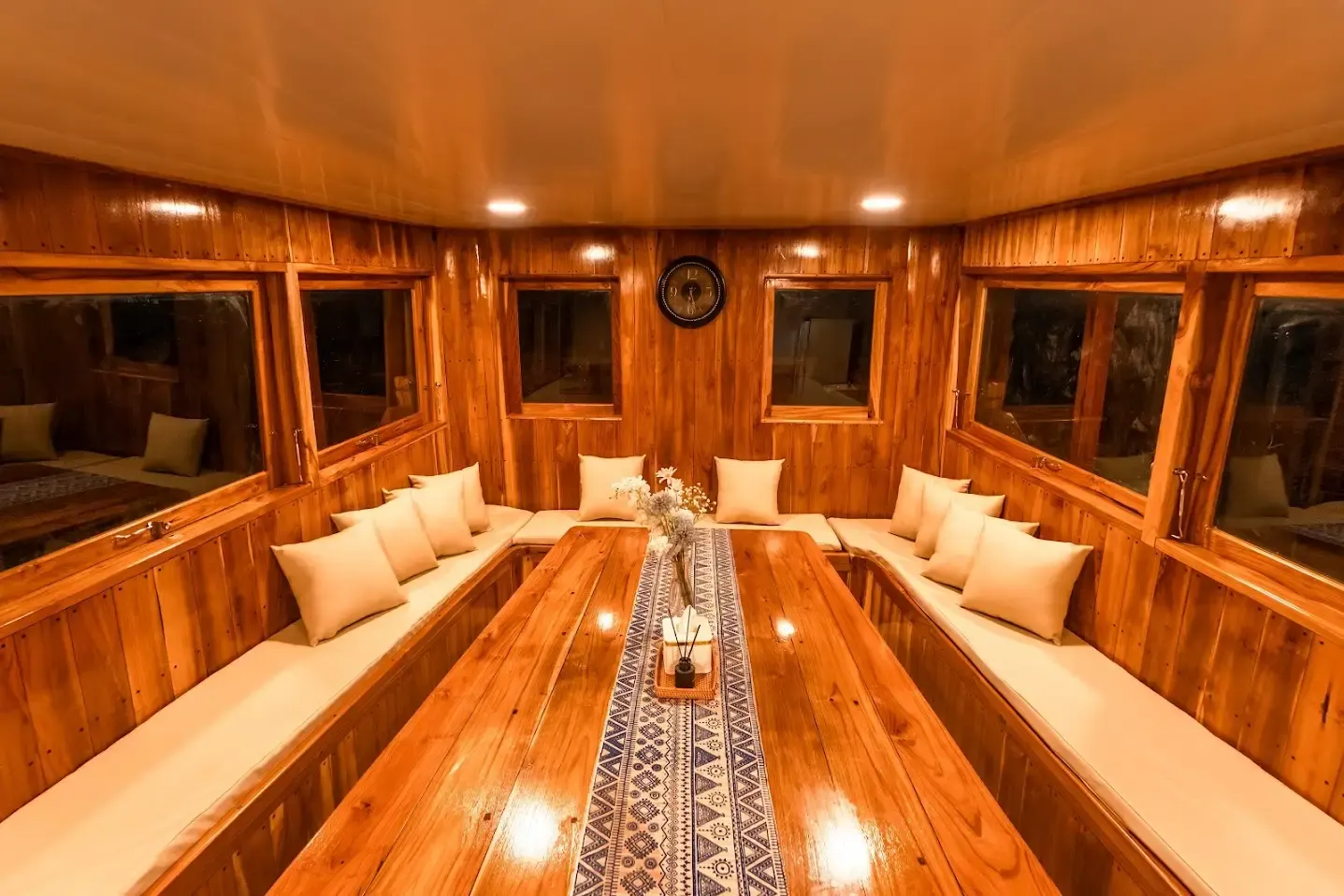
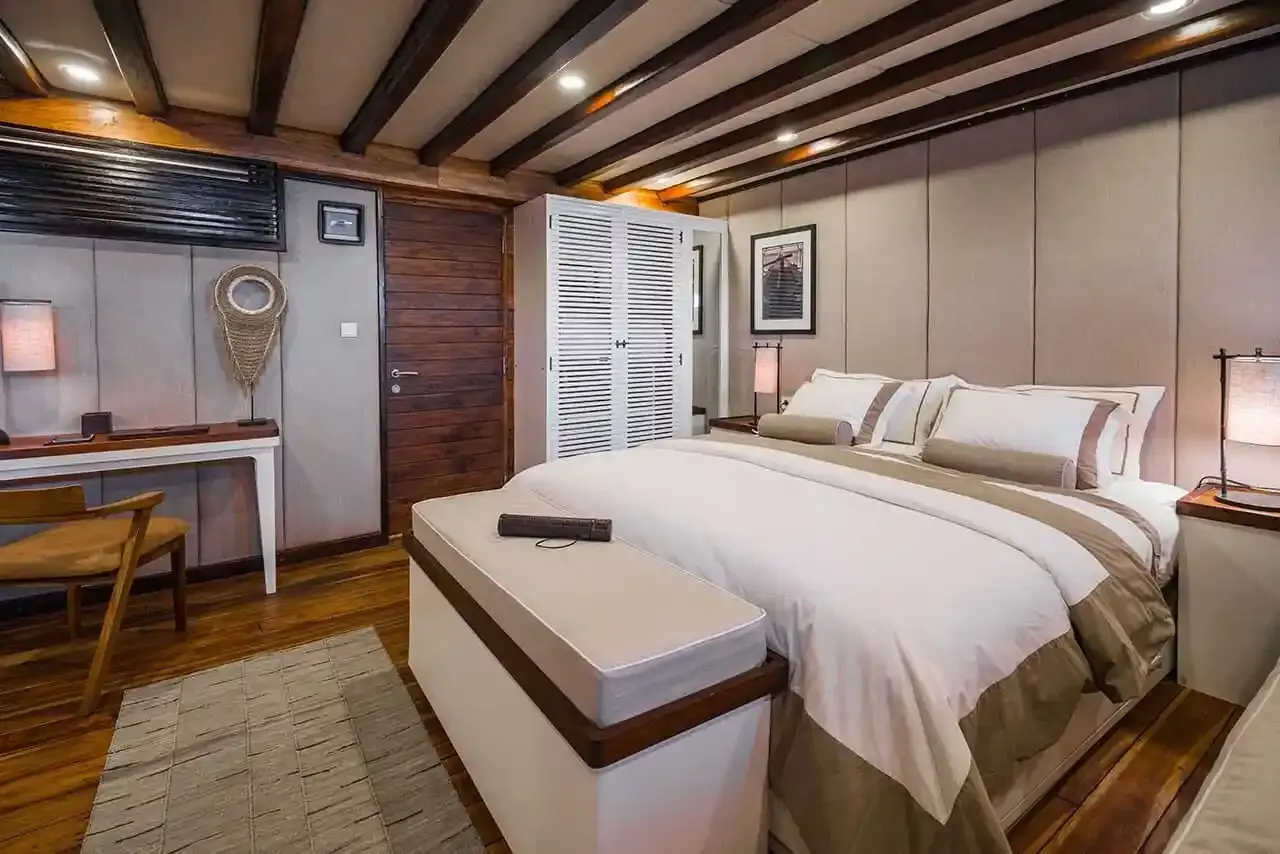
  4. Interior Fit-Out: As the hull is completed, focus shifts to the interior. We manage a separate team of skilled cabinetmakers and finishers to execute the interior design, from guest cabins and ensuites to the galley and saloon, ensuring a flawless finish.
  5. Launch, Sea Trials, and Handover: The launch is a momentous community event. Following this, we oversee rigorous sea trials to test all systems under real-world conditions. After successful trials and final adjustments, the vessel is officially handed over to you, complete with all necessary documentation.

Frequently Asked Questions About Building a Phinisi in Indonesia

What is the typical cost for a custom-built phinisi yacht?

Costs vary significantly based on size, complexity, and interior specifications. A high-quality, 35-metre luxury phinisi might range from US$1.5 to $3 million. A larger, more complex vessel over 50 metres with superyacht-grade systems and finishing will command a higher investment. We provide detailed preliminary budgets based on your initial concept to ensure financial clarity from the outset.

How is the payment structured during the build?

Payments are structured around key construction milestones outlined in the build contract. This typically involves an initial deposit, followed by tranche payments upon completion of the keel laying, framing, hull planking, engine installation, and final handover. This method protects your investment and ensures work is progressing as agreed before funds are released.

Can I visit the shipyard during the construction process?

Absolutely. We strongly encourage clients to visit their project at several key stages. Witnessing the craftsmanship firsthand is a vital part of the experience. We facilitate these visits, providing translation, local transport, and accommodation arrangements to ensure your time on-site in Bira or Bulukumba is productive and enjoyable.

How are modern marine systems integrated into a traditional wooden hull?

This is a critical aspect of our project management. We work with the builders to ensure the vessel is designed from the start to accommodate modern systems. This involves meticulous planning for engine beds, wiring conduits, plumbing runs, and ventilation. We oversee specialist technicians for the installation of engines, generators, water makers, and navigation electronics to ensure reliability and serviceability.

What is the difference between ironwood and teak?

Ironwood (Ulin) is an incredibly dense, strong, and rot-resistant hardwood used for the structural components of the ship below the waterline, like the keel and frames. Teak (Jati) is prized for its stability, weather resistance, and beautiful grain. It is used for elements above the waterline, such as the hull planking, decking, superstructure, and interior finishing.

Are these yachts built to a specific safety or class standard?

While traditional phinisis are not typically built to a formal class society standard like Lloyd’s or RINA due to the unique construction methods, we ensure the build adheres to rigorous international safety and construction principles. We build to meet or exceed the standards required for Indonesian commercial vessel registration (BKI) and can incorporate specific client requirements for stability and safety systems.

How long does the entire process take from design to launch?

A typical build cycle for a 30 to 45-metre phinisi is between 18 and 30 months. The timeline is influenced by the vessel’s complexity, the level of interior detail, and the seasonal weather patterns in Sulawesi which can affect the final stages of the build and the launch. We provide a detailed project timeline at the start of the process.

What happens after the yacht is launched?

Our service extends beyond the build. We assist with the crucial post-launch phase, including vessel registration under the Indonesian flag, sourcing a qualified and experienced local crew, and establishing operational and maintenance protocols. We can provide ongoing yacht management services to ensure your asset is protected and operates smoothly.

Why do I need a company like Boat Builder Indonesia?

Navigating a major construction project in a foreign country presents logistical, linguistic, and cultural challenges. We act as your trusted representative on the ground, ensuring quality control, financial oversight, and clear communication. Our expertise prevents costly mistakes and ensures the final product aligns perfectly with your vision and the highest standards of the craft.

What makes a phinisi different from other yachts?

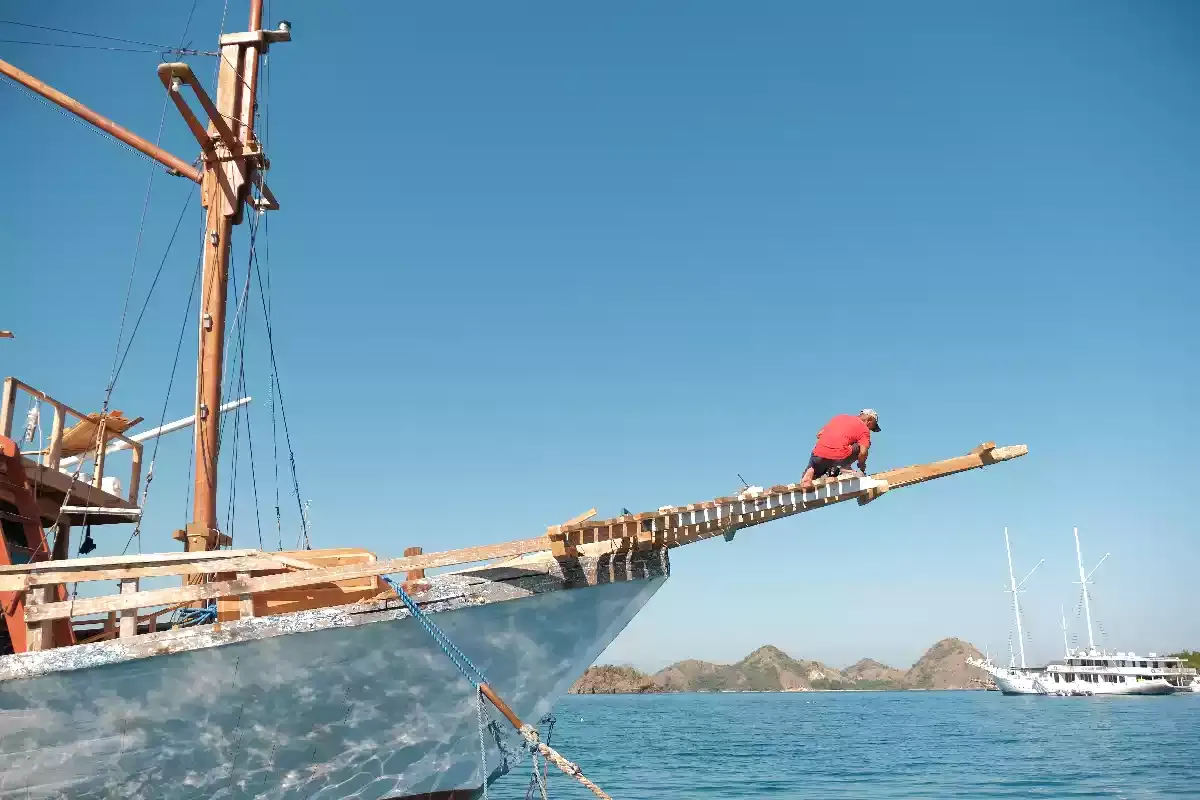
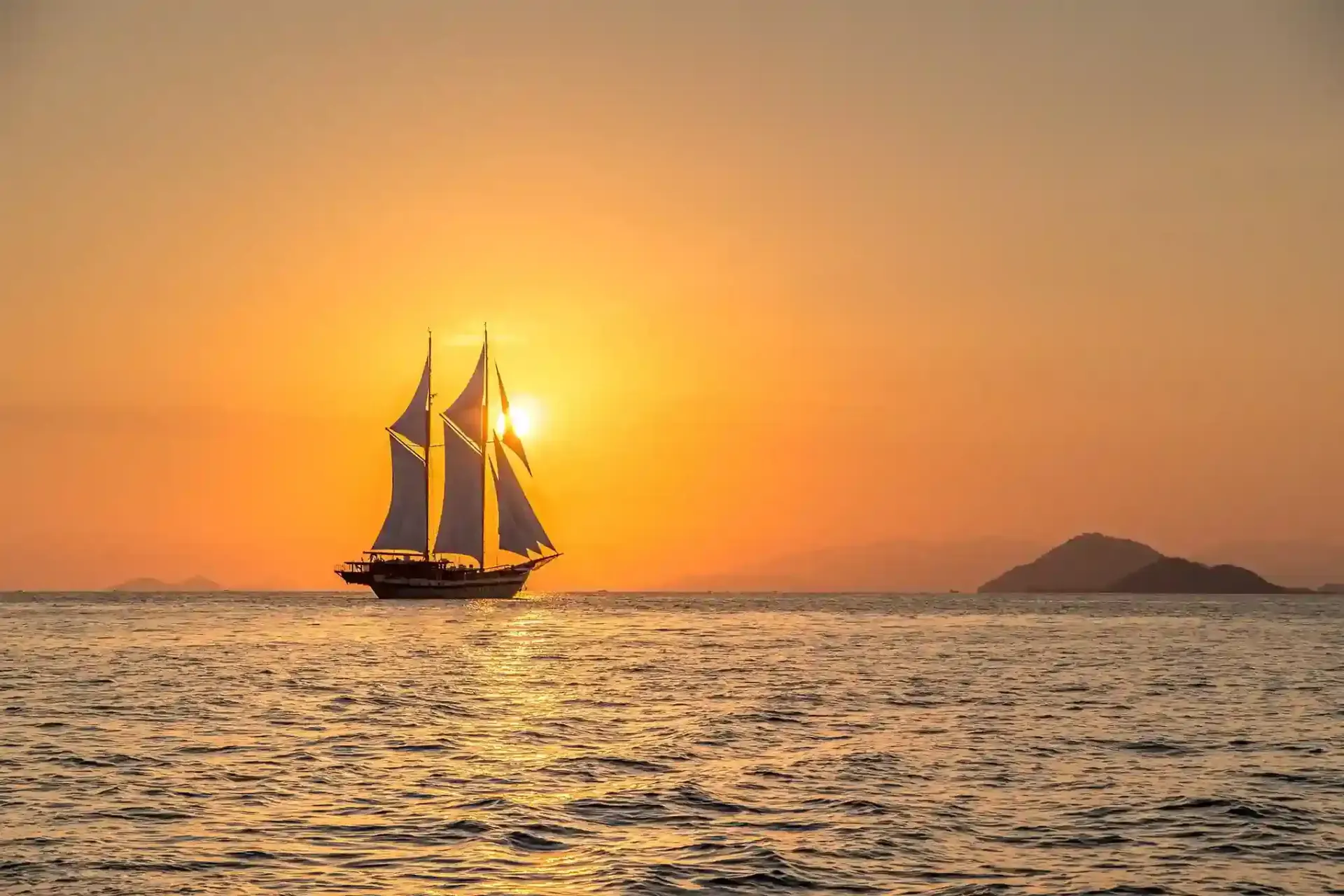
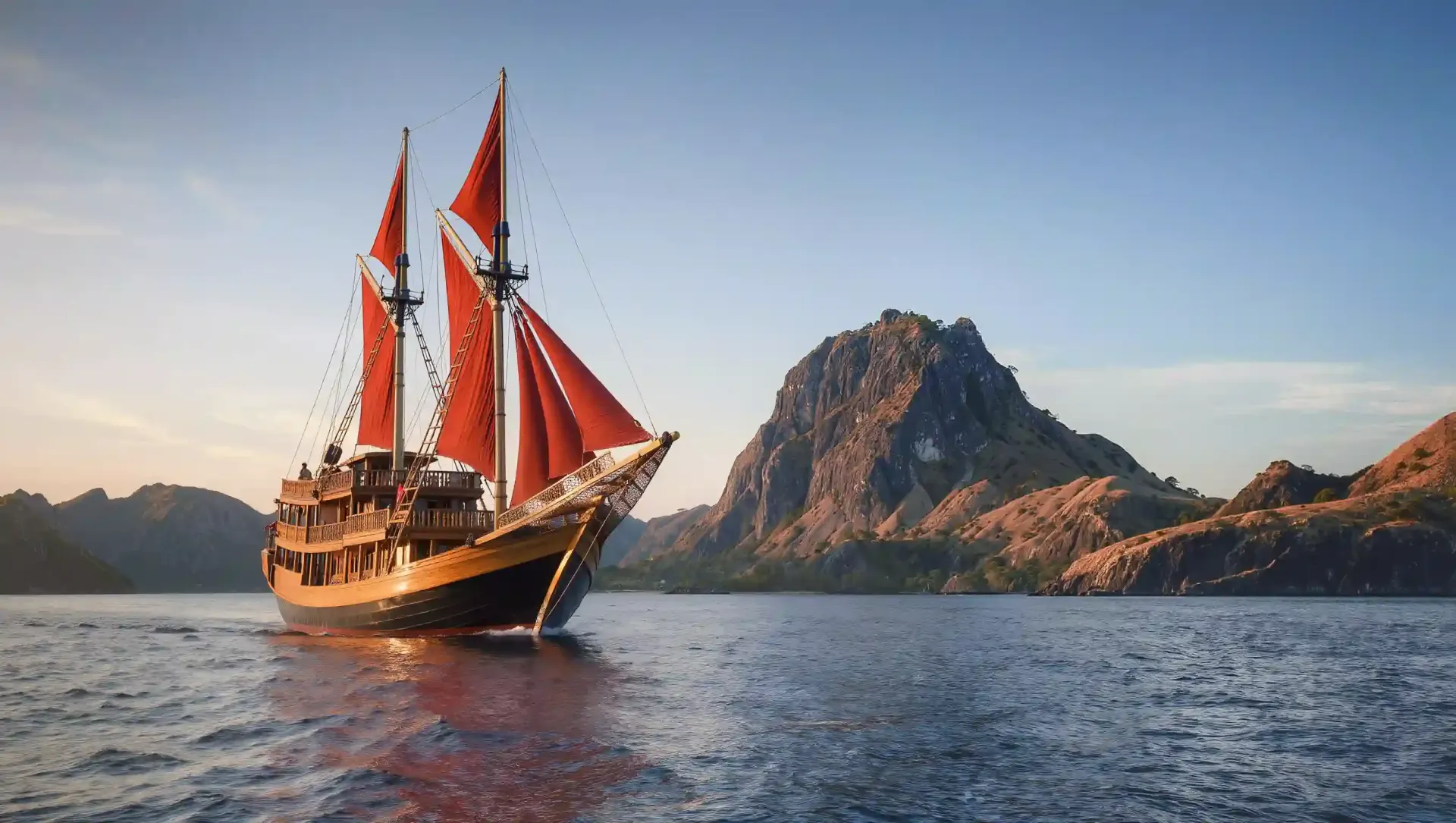
A phinisi is defined by its traditional gaff-ketch rig with seven sails and its hand-built wooden hull. While modern phinisis are motor-sailors, their soul comes from this heritage. Owning one is to own a piece of maritime history, a vessel with a unique character and a direct connection to the ancient seafaring traditions of the Indonesian archipelago.

Begin the Conversation

The journey of creating a custom phinisi begins with a simple conversation. To discuss your vision and learn more about the possibilities of working with a premier boat builder in Indonesia, we invite you to contact our senior team. Reach out via email to bd@juaraholding.com or by WhatsApp to +62 811-3941-4563 to schedule a preliminary consultation.
As featured in
Conde Nast Traveler Travel + Leisure Robb Report Forbes Bloomberg
Member of Indonesia Travel Industry Association  ·  ASITA  ·  Licensed Indonesia tour operator (Kemenparekraf RI)