Welcome to our curated guide on boat builder indonesia — the definitive resource for premium options across Indonesia.
Your Definitive Guide to Commissioning a Phinisi with a Boat Builder in Indonesia
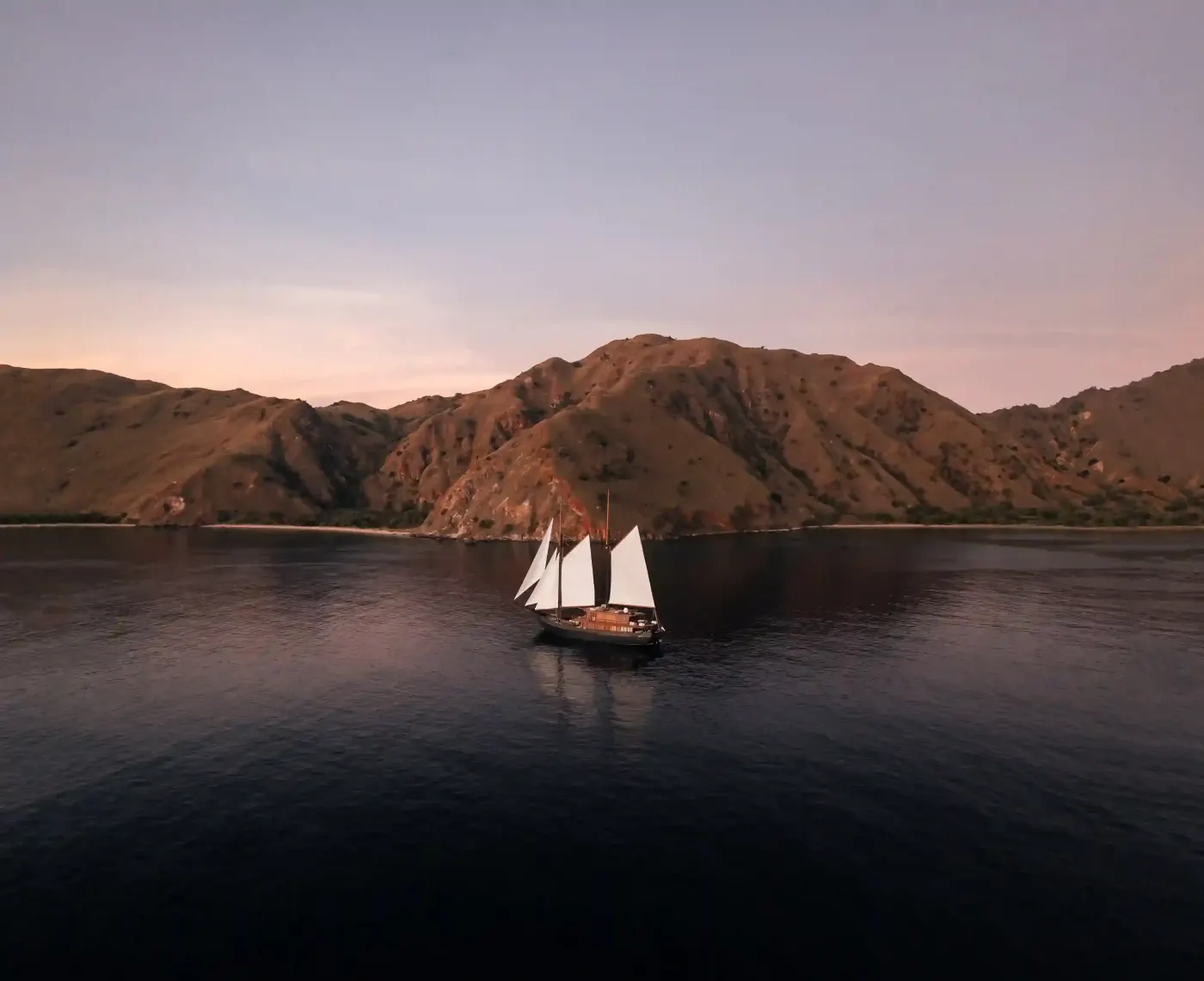
From the sun-drenched shores of South Sulawesi, a maritime legacy endures. Here, the world’s last great wooden sailing ships are born, crafted by hand using methods passed down through generations. For discerning individuals and marine operators, commissioning a custom phinisi is the ultimate expression of nautical passion. As a premier boat builder in Indonesia, we bridge the gap between this ancient tradition and the exacting standards of modern luxury, guiding your vision from a simple sketch to a majestic vessel ready for the sea.
The Enduring Legacy of the Phinisi Schooner
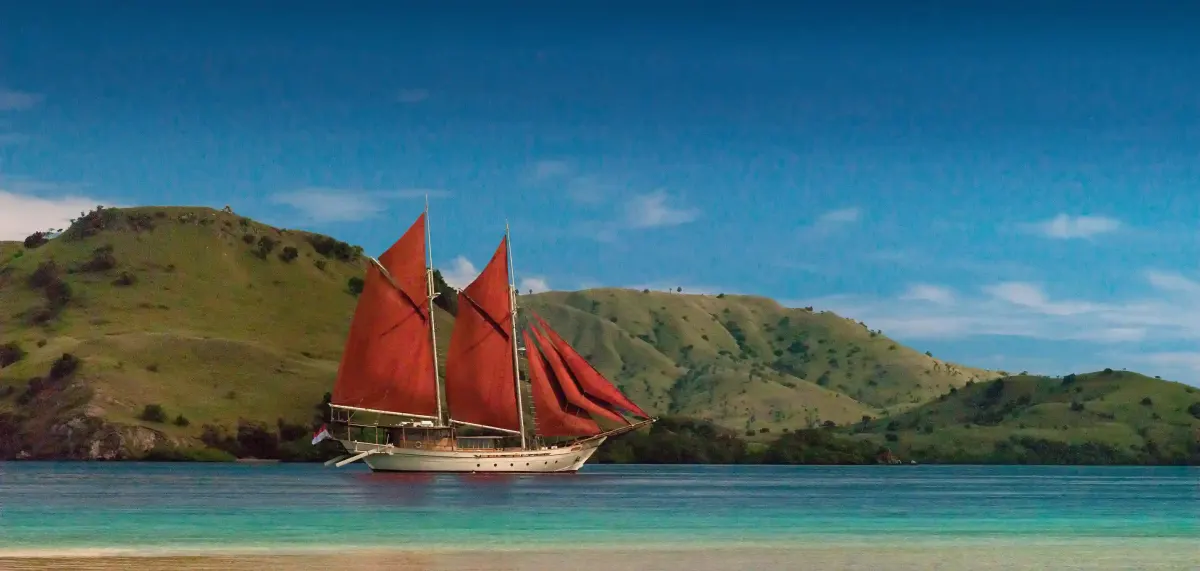
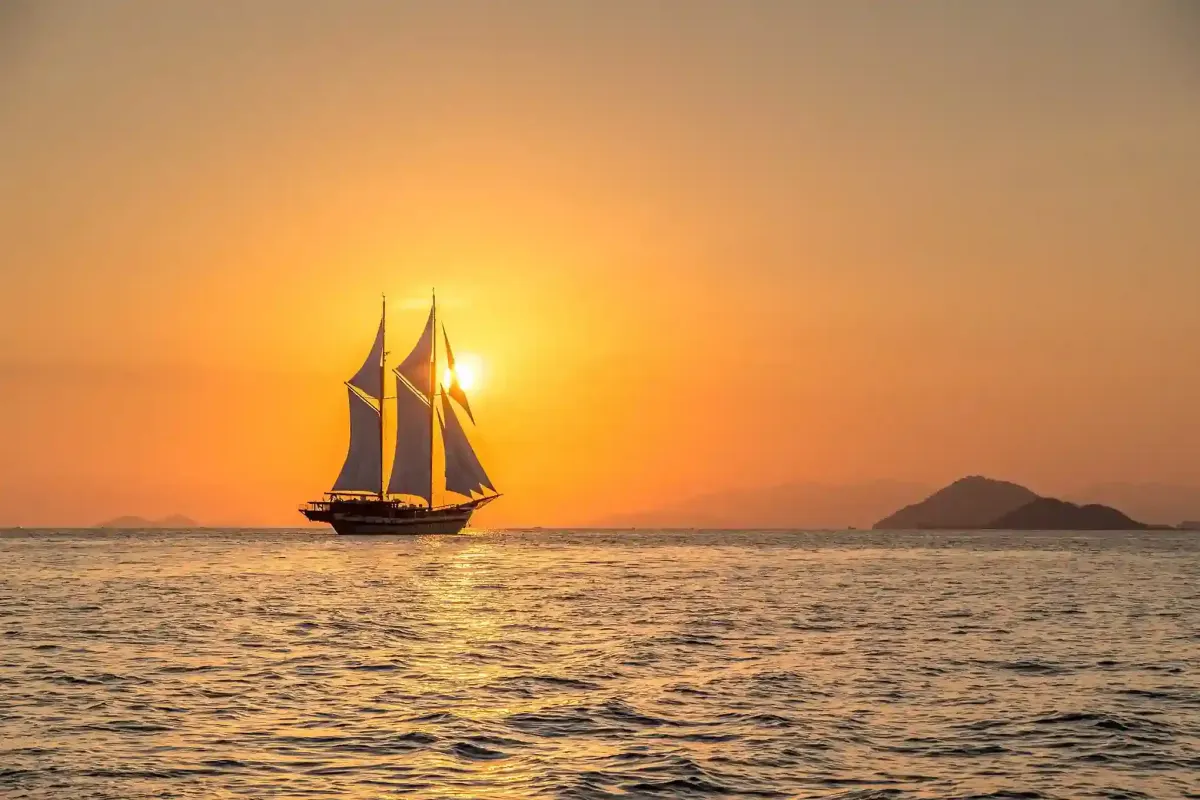
The story of the phinisi is the story of Indonesia itself. It is a narrative woven into the maritime trade routes that once carried cloves, nutmeg, and sandalwood across the archipelago. These magnificent two-masted schooners, with their distinctive gaff-ketch rigging, were the workhorses of the Spice Islands, a testament to the seafaring prowess of the Bugis and Konjo people of South Sulawesi. Their design, a fusion of indigenous knowledge and European influence, was perfected for navigating the diverse and often challenging waters of the region.
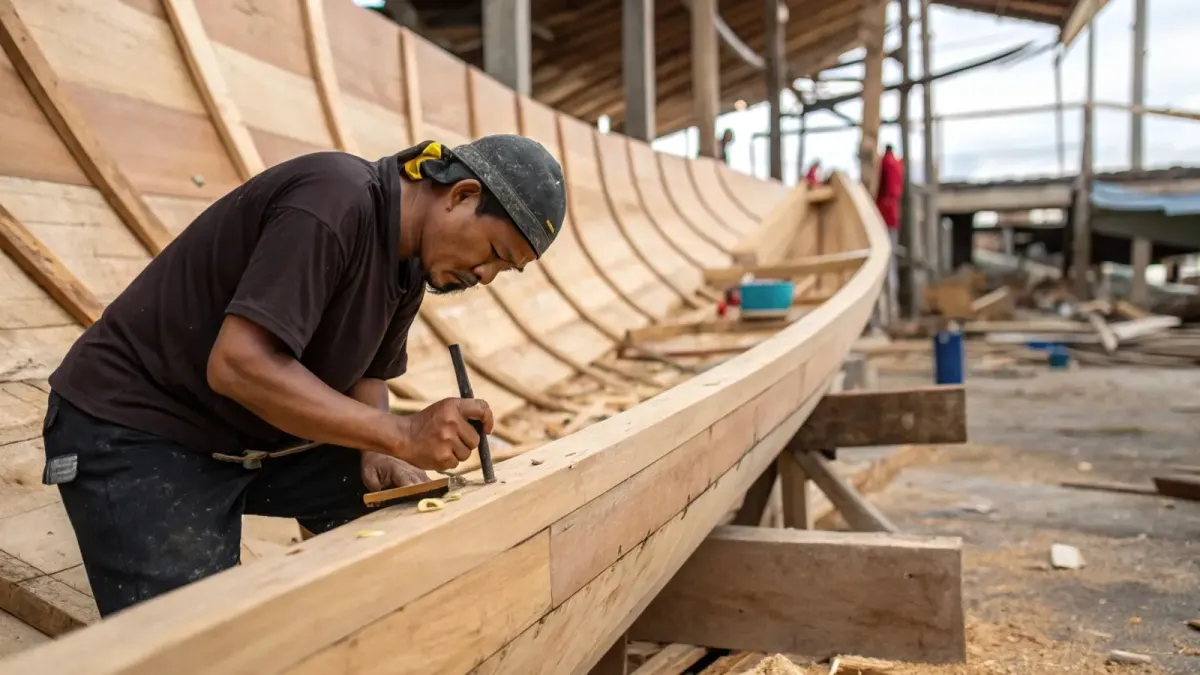
In 2017, this profound cultural heritage was officially recognised by UNESCO, which inscribed the ‘Art of Boatbuilding in South Sulawesi’ onto its list of the Intangible Cultural Heritage of Humanity. This was not merely an acknowledgement of a historical craft, but a celebration of a living tradition. The skills, rituals, and community-based knowledge that bring a phinisi to life continue to thrive on the beaches of Bira and Bulukumba. The rhythmic tapping of the adze, the scent of freshly cut teak, and the communal effort of raising the hull planks are sounds and senses that connect the present day directly to centuries of maritime history.
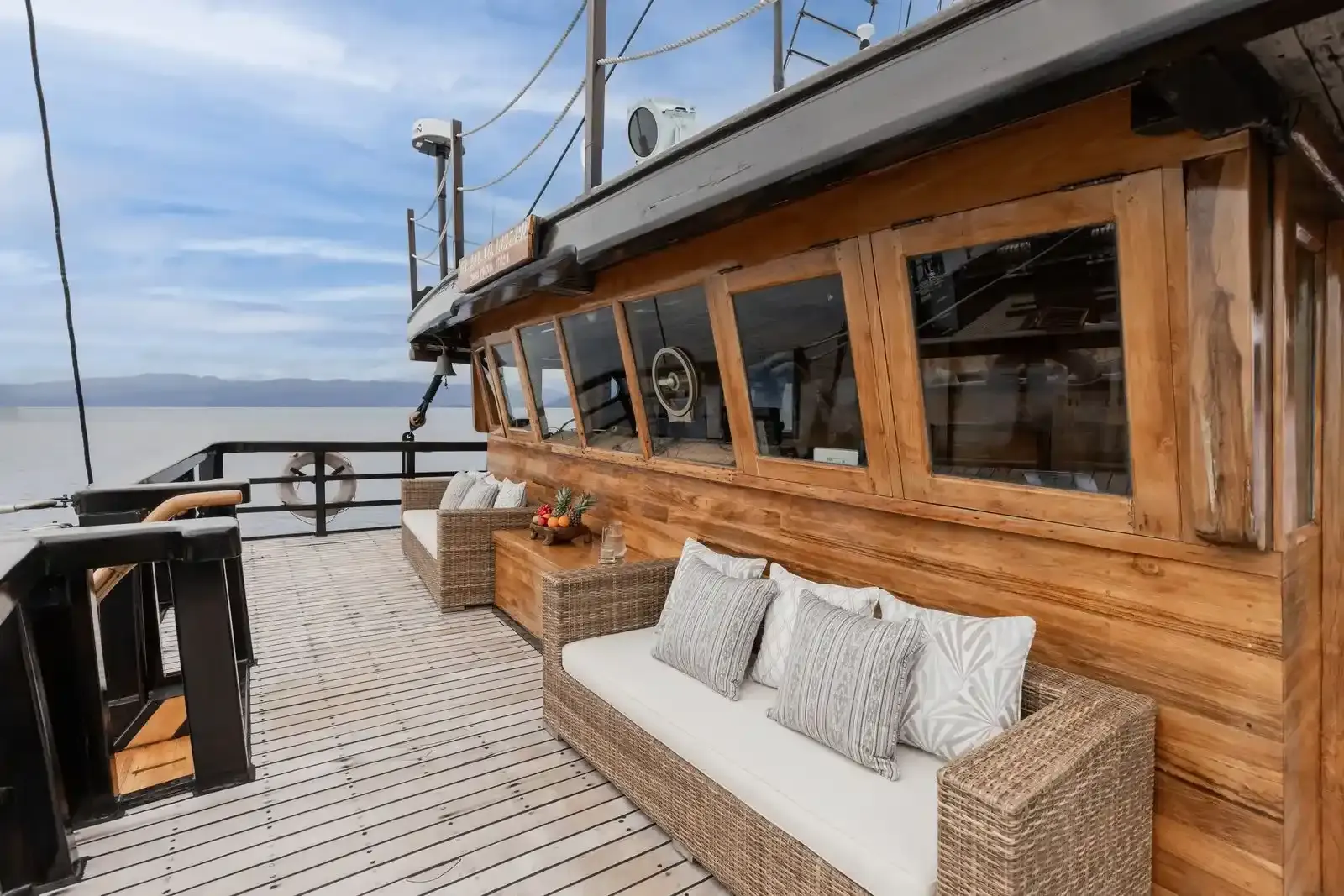
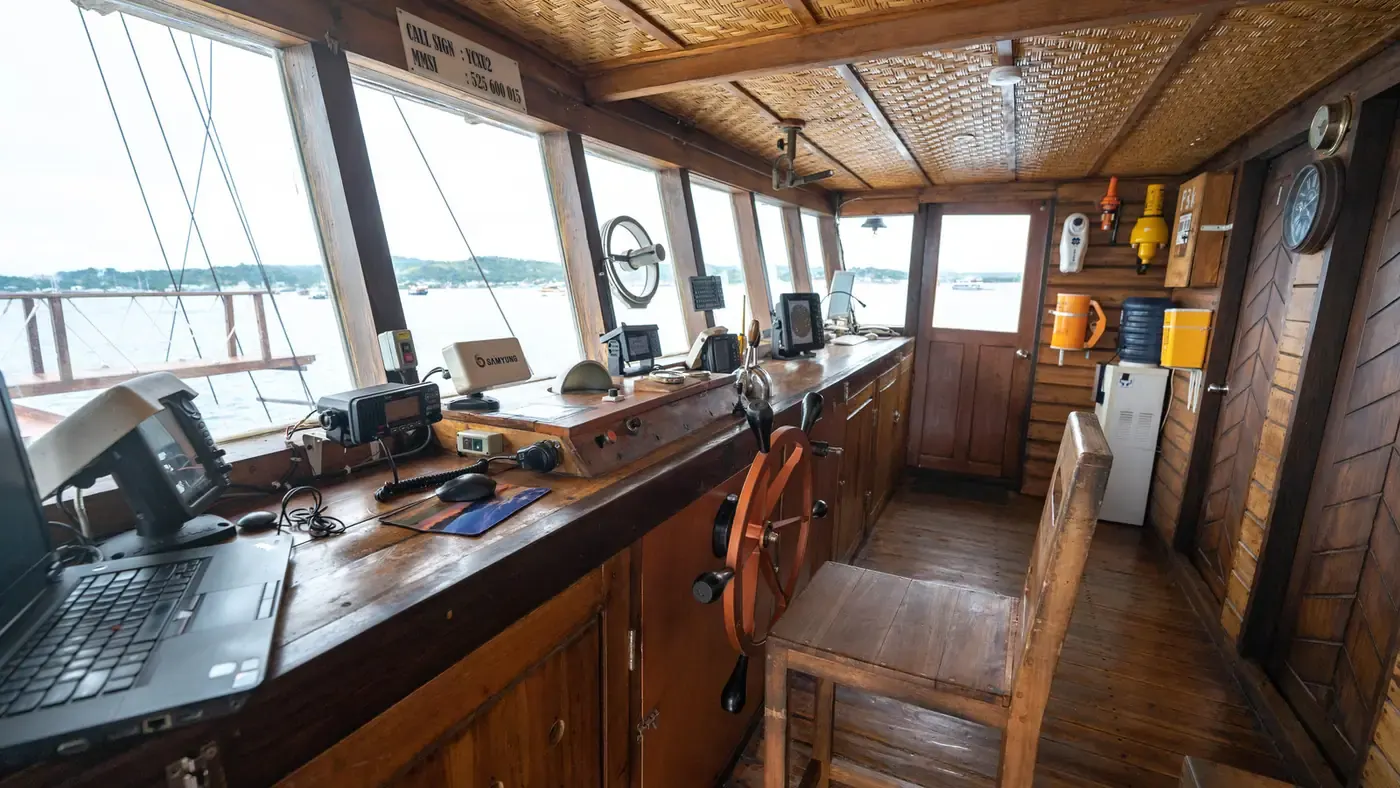
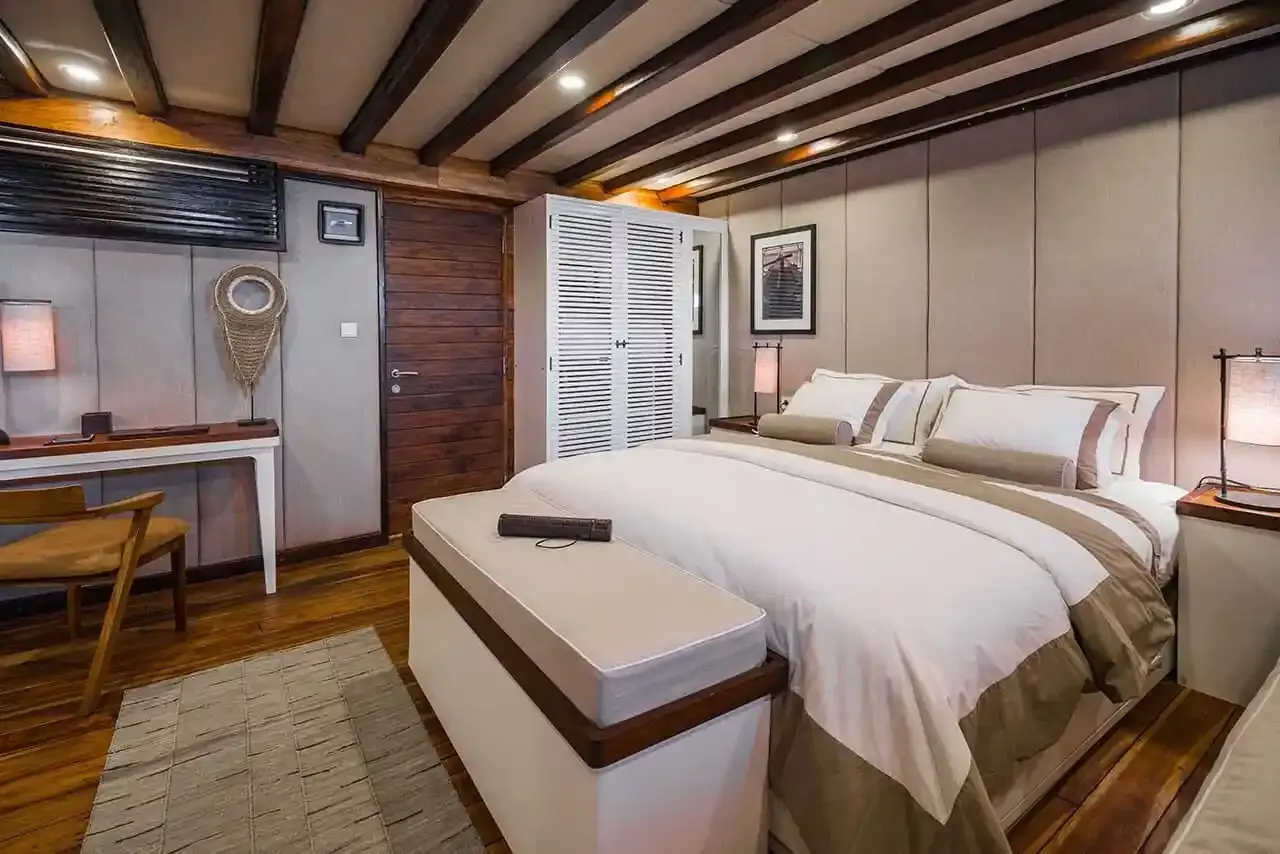
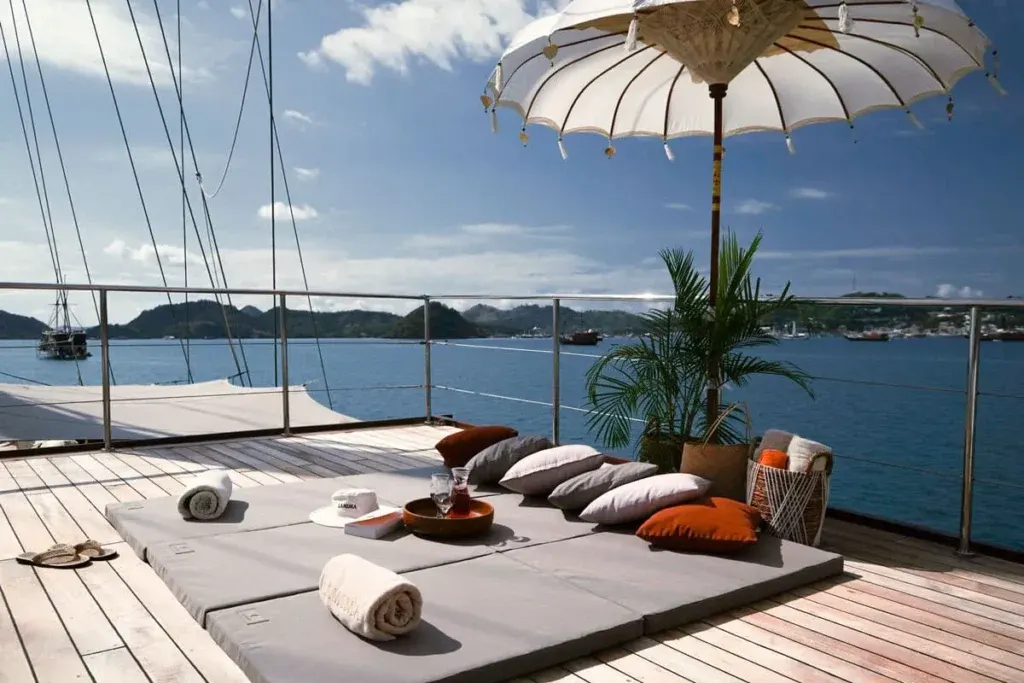
Today, the phinisi has evolved. While its soul remains that of a resilient cargo vessel, its form has been reimagined for the world of luxury travel. Modern phinisis are floating boutique hotels, private charter yachts, and sophisticated dive liveaboards that offer unparalleled access to Indonesia’s remote archipelagos. Yet, beneath the polished brass fittings and state-of-the-art navigation systems, the heart of the vessel remains the same: a handcrafted wooden hull built with an intuition and artistry that no modern factory can replicate. To commission a phinisi is to become a custodian of this legacy.
Sulawesi’s Master Shipwrights: The Konjo and Bugis Craftsmen
The soul of any phinisi lies not in its timber, but in the hands and hearts of the men who build it. In the coastal villages of Ara, Tana Beru, and Bira in the Bulukumba Regency, the Konjo people carry the ancestral mantle of boatbuilding. This is not a trade learned from textbooks or technical drawings. It is a form of tacit knowledge, an inheritance passed from father to son, from master to apprentice, on the very sands where the boats take shape.
These master shipwrights, or ‘punggawa’, command a deep, almost spiritual understanding of their materials. They work from memory and instinct, visualising the entire vessel before the first piece of timber is even cut. The process begins with elaborate rituals to seek blessings for the project, honouring the spirits of the forest from which the wood is sourced and the sea upon which the vessel will sail. This synthesis of technical skill and cultural reverence is what makes each build unique.
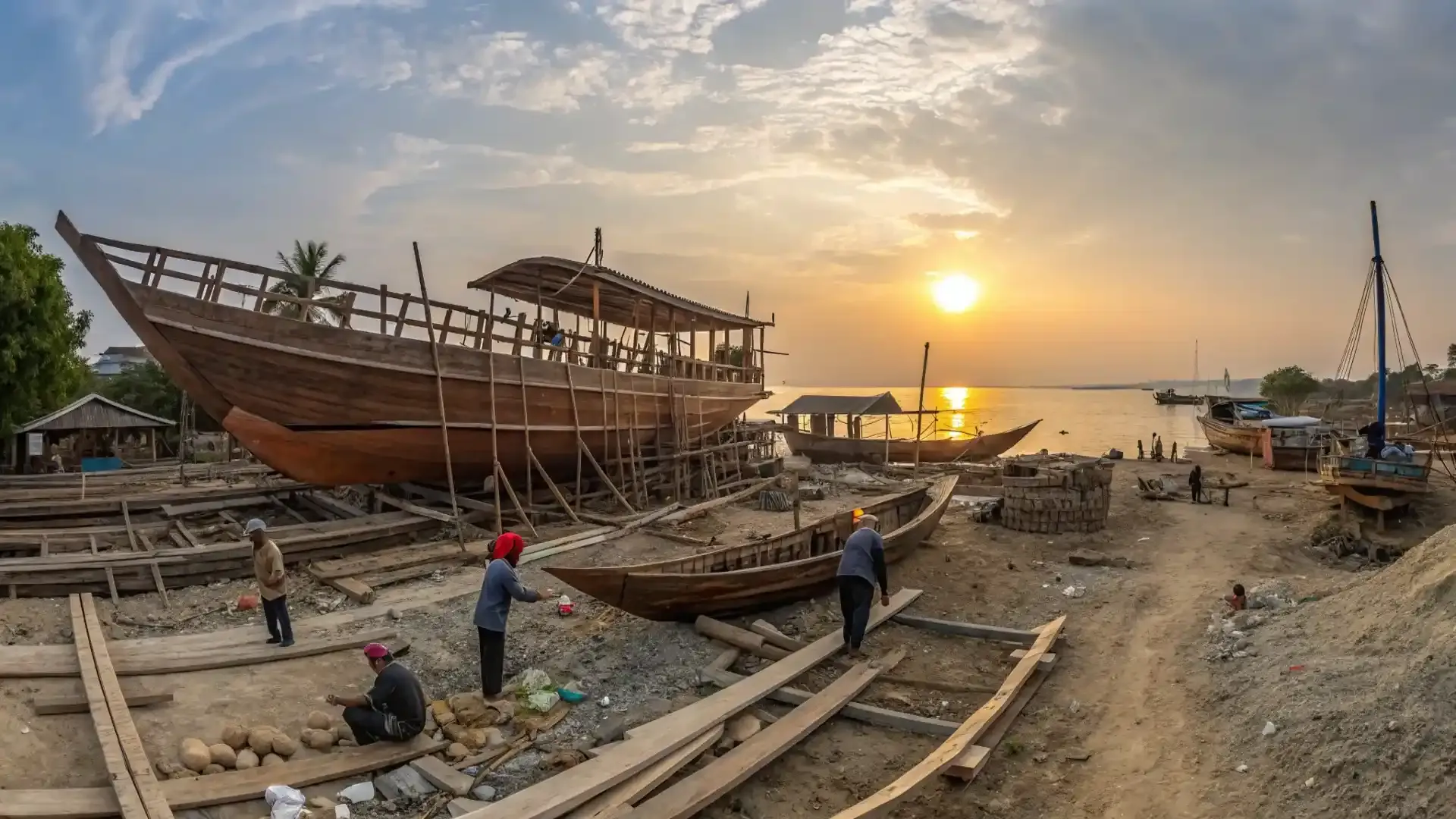
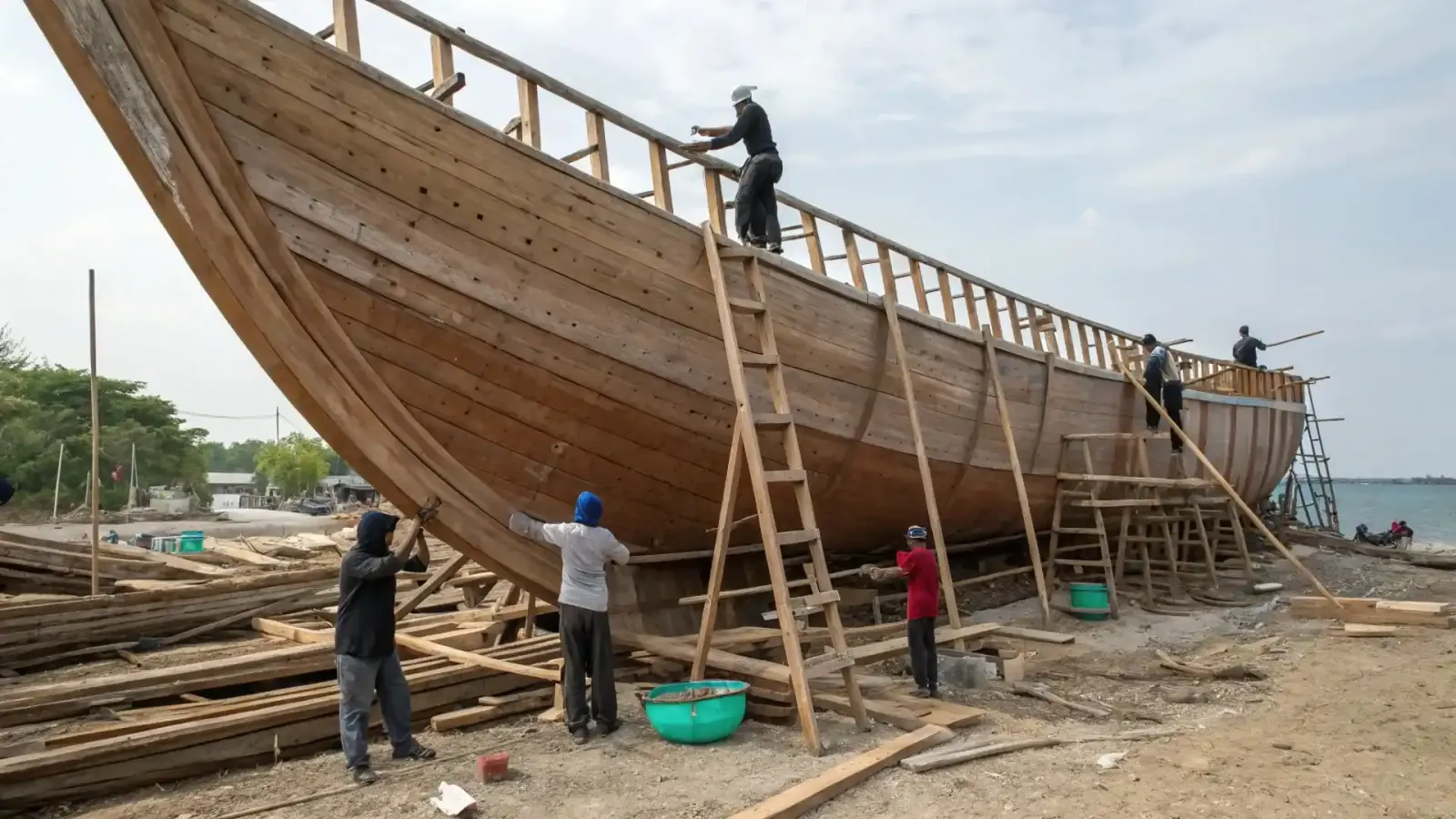
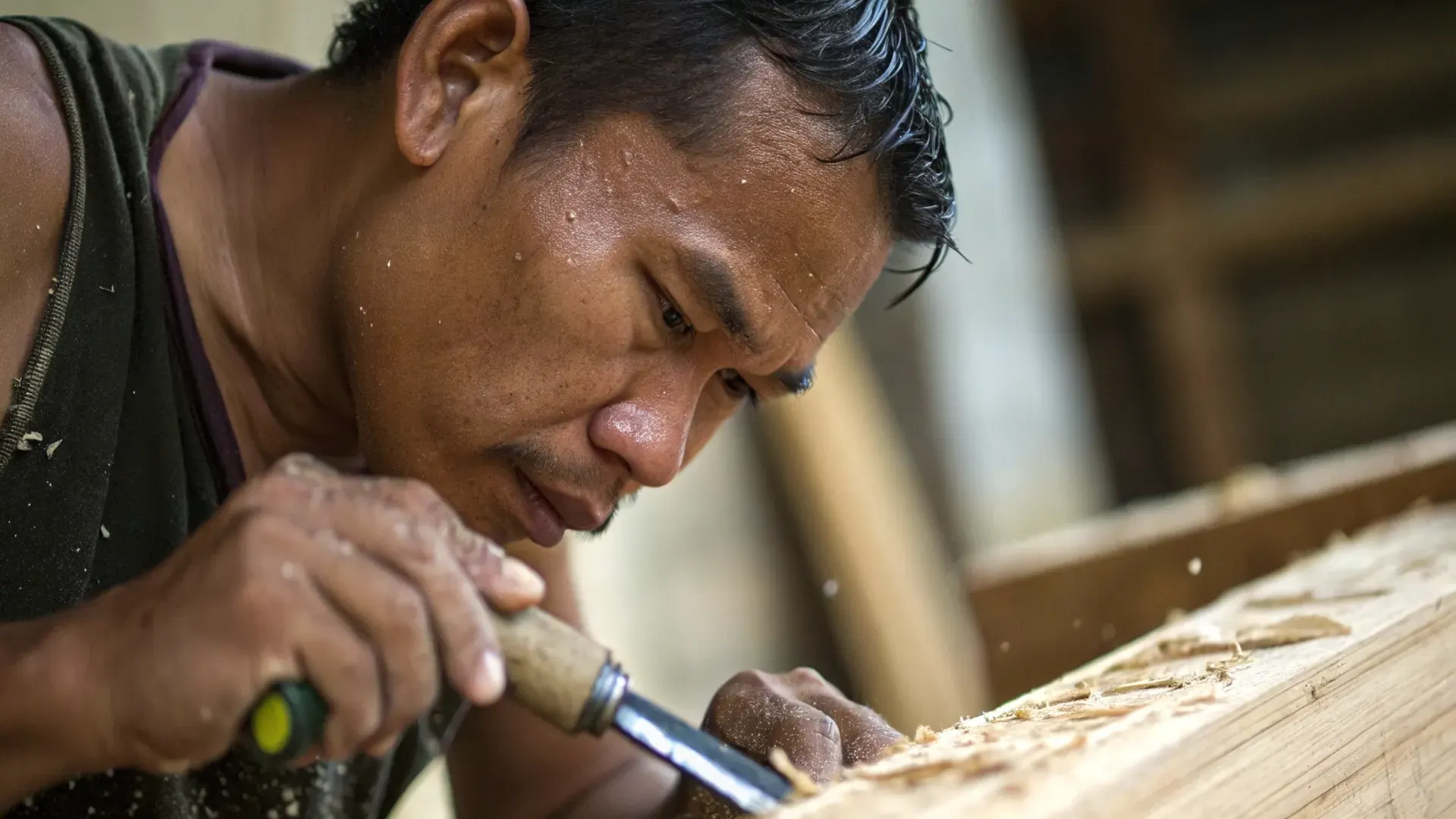
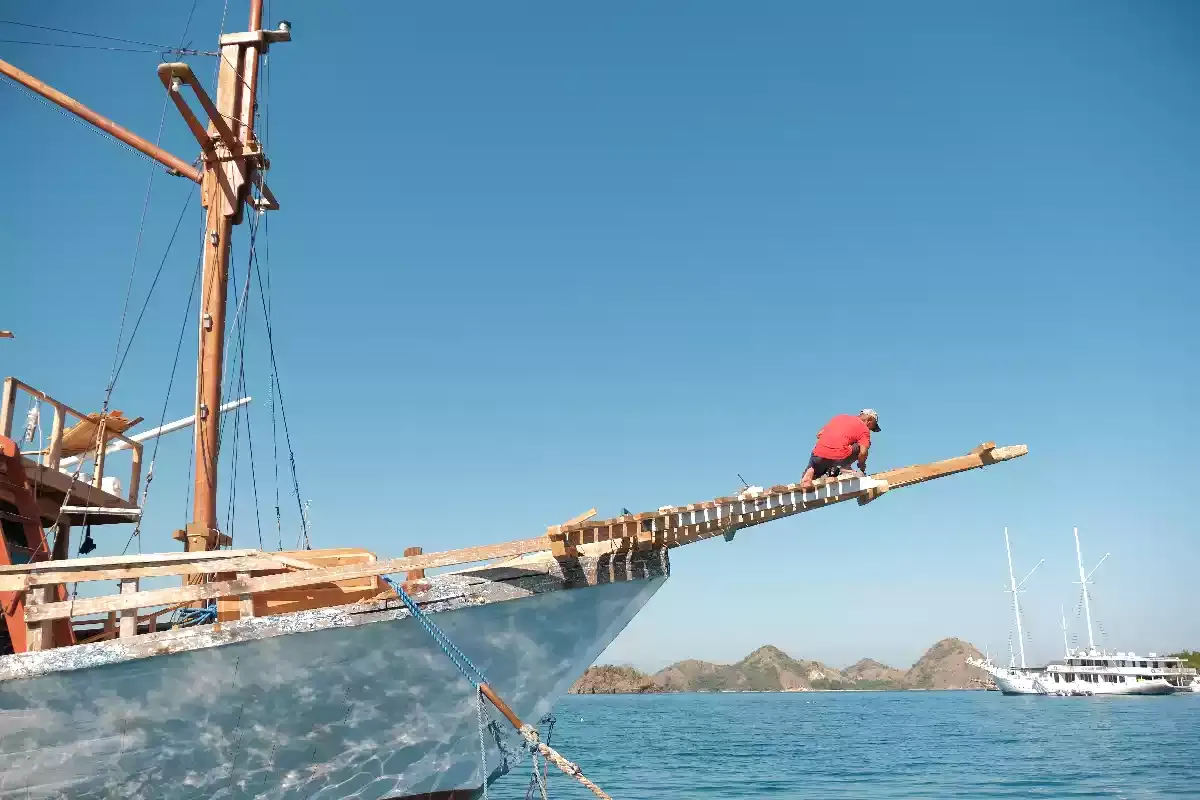
A visit to a Bulukumba shipyard is a journey back in time. There are no vast, automated hangars. Instead, majestic wooden skeletons rise directly from the white-sand beaches, framed against the turquoise Flores Sea. Craftsmen move with a quiet, confident economy of motion, shaping massive timbers with hand tools—adzes, chisels, and hand-cranked drills. They can judge the fairness of a curve by eye and feel the integrity of a joint by touch. Engaging a trusted boat builder in Indonesia means partnering with these communities, ensuring their extraordinary skills are respected, fairly compensated, and channelled into a vessel that meets the highest international standards of safety and finish.
From Ironwood Keel to Teak Deck: The Anatomy of a Build
The construction of a traditional Indonesian phinisi is a masterclass in organic engineering and material science. The selection of timber is paramount, and the craftsmen of Sulawesi have centuries of experience in choosing the right wood for each specific purpose. The entire process is a testament to building with nature, not against it, resulting in a vessel of incredible strength and longevity.
The Foundation: Ironwood and Bitti
The journey begins with the keel-laying ceremony, a vital ritual that marks the formal start of the build. The keel itself, the backbone of the vessel, is typically fashioned from a single, massive piece of ironwood, or ‘kayu ulin’ (Eusideroxylon zwageri). Sourced from the forests of Kalimantan and Sulawesi, this timber is legendary for its density and extreme resistance to marine borers and rot. It is so dense that it sinks in water, providing natural ballast and a foundation of unparalleled stability. The frames, or ‘gading’, are then meticulously shaped from bitti wood (Vitex cofassus), a hard, durable timber known for its interlocking grain that provides immense structural integrity.
The Hull and Superstructure: Teak and Merbau
Once the skeleton is complete, the hull is planked, traditionally using premium Sulawesi teak (‘kayu jati’). Each plank is heated over a fire, bent by hand, and fastened to the frames with a combination of wooden dowels and galvanised bolts. This method, known as carvel planking, creates a smooth, strong, and watertight hull. The superstructure, decking, and interior finishing are where the beauty of tropical hardwoods truly shines. Teak is favoured for its high natural oil content, which makes it exceptionally resistant to sun and saltwater, while merbau (‘kayu merbau’) is often used for structural beams and flooring due to its strength and rich, reddish-brown colour.
The entire process, from keel to launch, can take anywhere from 18 to 30 months. It is a slow, deliberate art form. As your chosen boat builder in Indonesia, our role is to oversee this intricate process, implementing rigorous quality control at every stage. We ensure that traditional methods are harmonised with modern requirements, such as the installation of marine-grade engines, electrical systems, and safety equipment, without compromising the vessel’s authentic soul.
The Commissioning Process: A Journey from Concept to Launch
Commissioning a custom phinisi yacht is an immersive and deeply rewarding journey, far removed from the transactional nature of purchasing a production vessel. It is a collaborative partnership between your vision, the builder’s ancestral knowledge, and our project management expertise. This process transforms a dream into a tangible, sea-faring reality, and navigating it correctly is the key to a successful outcome.
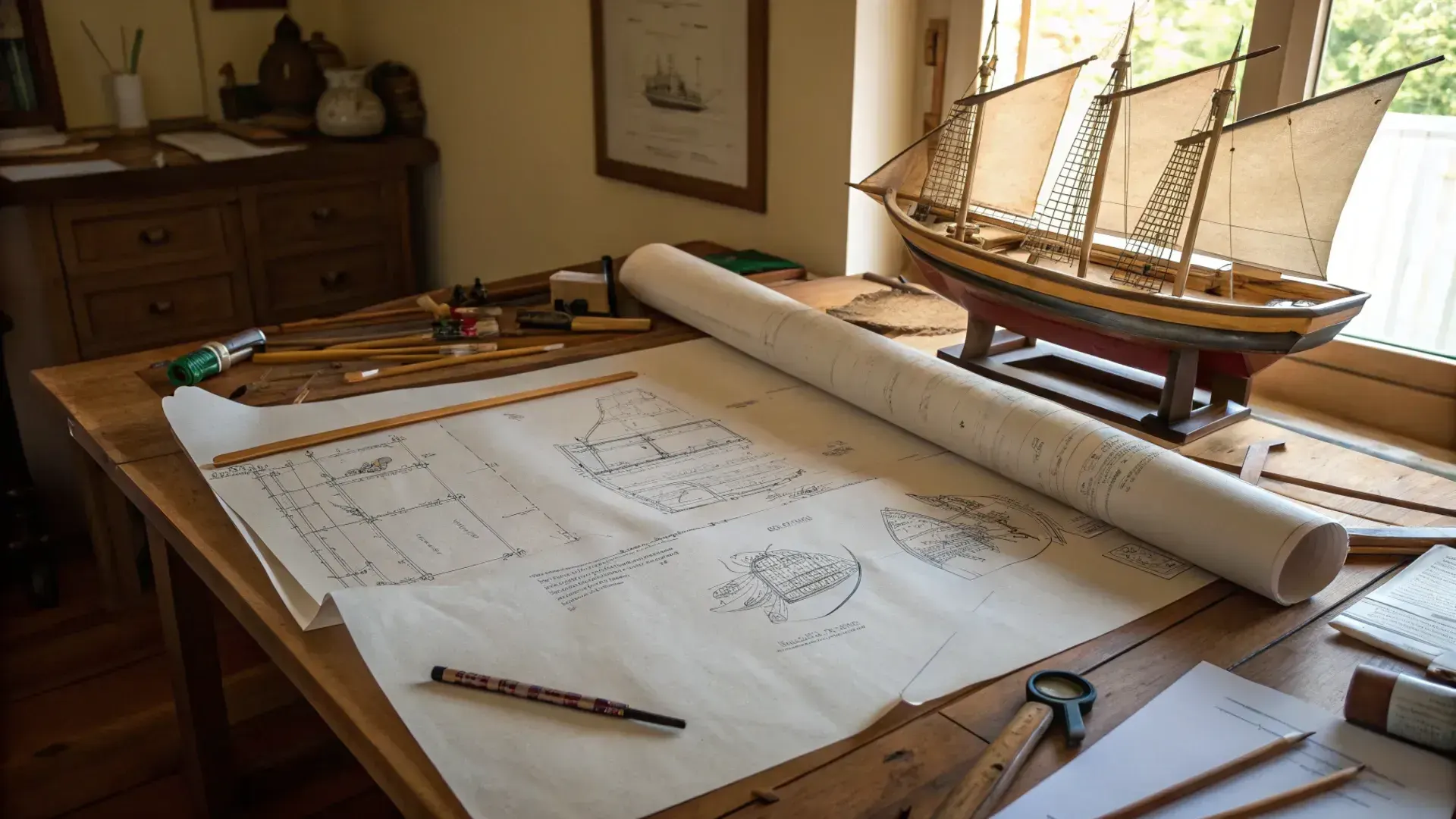
The voyage begins with a detailed consultation. We work closely with you to understand your specific requirements: the vessel’s intended use (private cruising, charter operations, dive expeditions), desired guest capacity, cabin configuration, operational range, and aesthetic preferences. This initial brief is then translated into a comprehensive set of architectural and engineering plans. While the Konjo craftsmen build by instinct, these detailed drawings are essential for class certification, international registration, and ensuring that every technical system is integrated flawlessly.
Once the design is finalised, we select the ideal shipyard and ‘punggawa’ for your project from our vetted network in Bira and Bulukumba. Throughout the 18 to 30-month build cycle, we act as your on-the-ground representative. This involves regular site inspections, progress reporting with detailed photographic updates, financial oversight, and quality assurance. We manage the procurement of all non-traditional materials, from the engine and generators to the navigation suite and interior fittings. The final phase includes sea trials, crew training, and navigating the complexities of Indonesian maritime registration and flagging. Our comprehensive management ensures a seamless transition from the sands of the shipyard to the open water.
Why Choose a Boat Builder in Indonesia? Navigating the Process with a Partner
The allure of building a custom wooden yacht in Indonesia is undeniable: access to unparalleled craftsmanship, beautiful and durable tropical hardwoods, and a cost structure that is highly competitive compared to Western shipyards. However, the path is not without its complexities. Language barriers, cultural nuances, logistical challenges, and the need for stringent quality control can present significant hurdles for the uninitiated. This is where the value of a professional, experienced partner becomes indispensable.
A dedicated boat builder in Indonesia serves as your advocate, translator, and project manager. Our role is to de-risk your investment and ensure the final product not only meets but exceeds your expectations. We have spent years cultivating deep relationships with the finest shipbuilding communities in South Sulawesi. We understand the local customs, speak the language, and know how to respectfully integrate modern engineering standards with centuries-old building techniques. We vet every craftsman and supplier, ensuring that only the highest quality, legally sourced materials are used in your build.
From navigating the bureaucracy of permits and registration to implementing international safety standards (such as SOLAS and classification society rules), our team provides the crucial bridge between two worlds. We ensure transparent financial management and provide a clear legal framework for your project. By entrusting your vision to Boat Builder Indonesia, you are not simply hiring a contractor; you are engaging a dedicated partner committed to protecting your interests, honouring the local culture, and delivering a vessel of exceptional quality and timeless beauty.
Frequently Asked Questions
What is the typical cost to build a custom phinisi in Indonesia?
The cost varies significantly based on size, complexity, and level of luxury. A 30-metre luxury charter phinisi might range from USD 1.2 to 2.5 million. Factors include the choice of engine, quality of interior fit-out, navigation systems, and onboard amenities like dive compressors or water toys. We provide transparent, itemised budgeting to align the project with your financial expectations.
How long does the construction process take?
A standard build cycle for a 25 to 35-metre phinisi is typically between 18 and 30 months. This timeline allows for the proper seasoning of wood, meticulous hand-craftsmanship, and the integration of modern mechanical and electrical systems. We believe in a patient, quality-focused approach rather than rushing the intricate work of the master craftsmen.
What are the primary materials used in construction?
The foundation relies on tropical hardwoods renowned for their durability. The keel is typically made from ironwood (kayu ulin), which is incredibly dense and resistant to marine borers. The frames use bitti wood, while the hull, superstructure, and decks are predominantly crafted from high-quality, legally sourced teak (kayu jati) for its weather resistance and beautiful finish.
Can the vessel be built to international safety standards?
Absolutely. While the hull is built traditionally, we ensure the entire vessel complies with international maritime standards. This includes the integration of modern safety equipment, fire suppression systems, navigation technology, and structural reinforcements as required by classification societies. Our role is to merge traditional craftsmanship with modern engineering integrity for a safe and reliable yacht.
How do you ensure quality control during the build?
We provide on-the-ground project management with regular site inspections by our experienced team, including marine surveyors and engineers. We document every stage of the build with detailed reports and photographs, ensuring that construction adheres strictly to the approved plans and that the quality of both materials and workmanship meets our exacting standards.
What is the role of the traditional ‘punggawa’ or master builder?
The punggawa is the heart of the project. He is the master shipwright who leads the team of craftsmen, directing the build based on generations of inherited knowledge. He works without written blueprints, relying on instinct and experience. We facilitate the collaboration between the punggawa’s traditional artistry and the technical requirements of the naval architect’s plans.
Can I visit the shipyard during the construction of my yacht?
We strongly encourage it. Client visits are a vital part of the journey, allowing you to witness the incredible craftsmanship firsthand and connect with the builders and the place where your vessel is born. We facilitate these visits, handling all local logistics to ensure you have a productive and memorable experience at the shipyard in Bira or Bulukumba.
What about engine and systems installation?
We manage the procurement and installation of all technical systems. This includes sourcing reliable marine engines (such as Yanmar or Caterpillar), generators, water makers, air conditioning, and full navigation and communication suites from reputable international brands. Our technical team oversees the installation to ensure it meets the highest marine engineering standards.
How is the vessel launched?
The launch is a spectacular community event. The entire village gathers for a ceremony, and the massive wooden hull is moved from the beach into the sea over wooden rollers, a process accomplished entirely with manpower, ropes, and chanting. It is a powerful and unforgettable ritual that marks the phinisi’s true birth and its first meeting with the water.
Do you assist with yacht registration and flagging?
Yes, navigating the legal aspects is a key part of our service. We manage the entire registration process, whether you choose to flag the vessel in Indonesia or under an international flag. We handle all the necessary paperwork, surveys, and regulatory approvals to ensure your yacht is fully compliant and ready for operation upon delivery.
Begin Your Commissioning Journey
The creation of a phinisi is a unique collaboration of vision, tradition, and expertise. If you are ready to explore the possibility of commissioning your own vessel, we invite you to begin a conversation with us. For a confidential discussion about your project, please contact our senior team directly.
You can reach us via email at bd@juaraholding.com or on WhatsApp at +62 811-3941-4563 to schedule an initial consultation.