Welcome to our curated guide on boat builder indonesia — the definitive resource for premium options across Indonesia.
The Definitive Guide to Commissioning a Phinisi with a Master Boat Builder in Indonesia
To commission a phinisi is to engage with a living history. It is a journey that begins not on a computer screen, but on the white-sand shores of South Sulawesi, where the echo of the adze on ironwood has shaped maritime legacy for centuries. For discerning owners, brokers, and operators, partnering with the right boat builder in Indonesia is the critical first step in transforming a vision of nautical excellence into a vessel of unparalleled character, crafted by the world’s finest wooden shipwrights.
The Phinisi Legacy: More Than Just a Boat
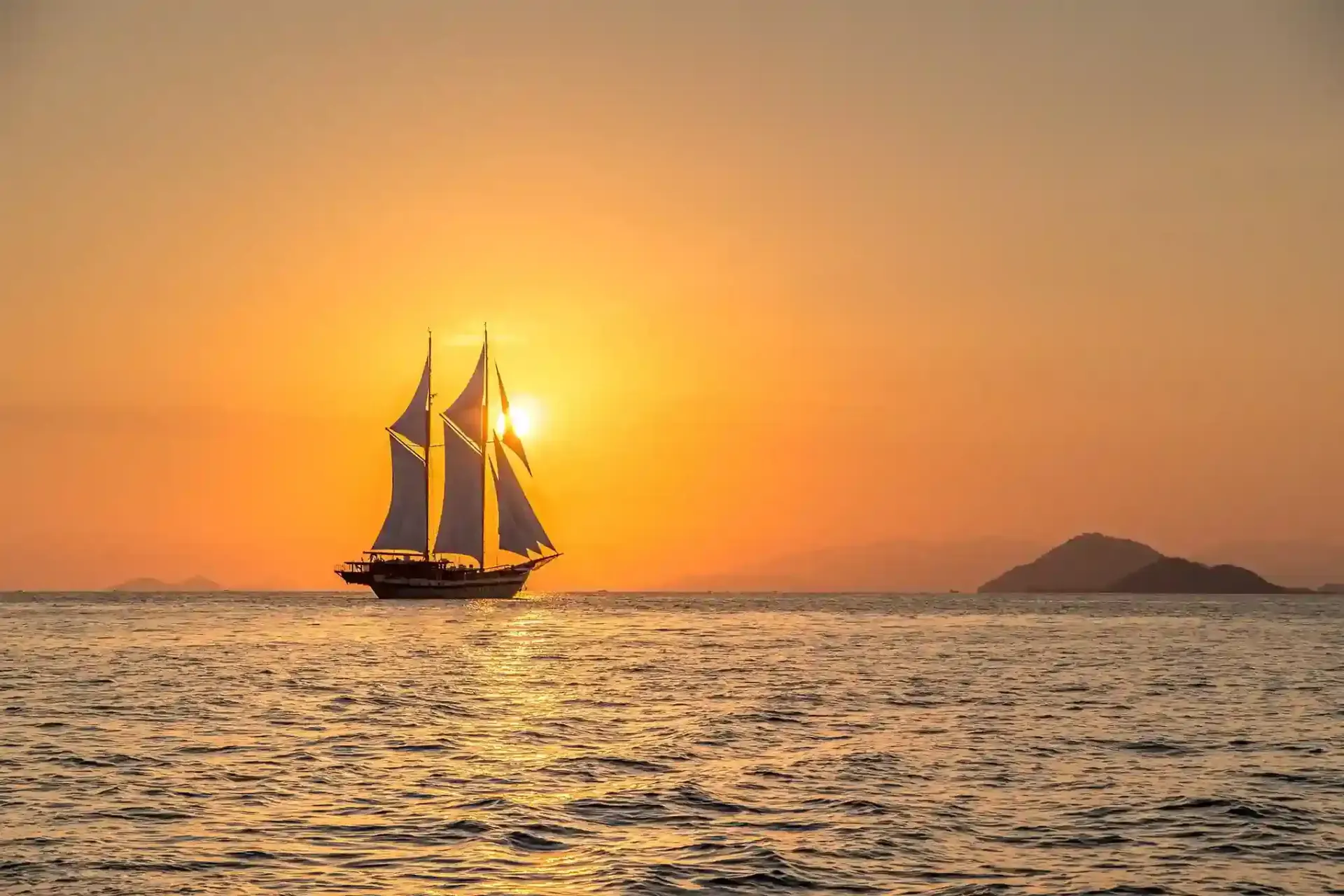
The Indonesian phinisi is far more than a simple vessel; it is a cultural masterpiece, a testament to the maritime genius of the Bugis and Konjo people of South Sulawesi. Recognised by UNESCO as an Intangible Cultural Heritage of Humanity, the art of phinisi boatbuilding represents a tradition passed down through countless generations. These majestic two-masted schooners, with their distinctive gaff-ketch rigs, were the vessels that dominated the Spice Island trade routes, their hulls carrying cloves, nutmeg, and stories across the vast Indonesian archipelago.
This heritage is not a relic of the past. It is the very soul of every vessel we help create. The traditional construction methods, performed without formal blueprints and guided by an almost intuitive understanding of timber and sea, are still at the core of the process. A master boat builder in Indonesia does not merely assemble a yacht; he imparts a piece of this ancestral knowledge into the keel, the ribs, and the planks. This results in a vessel that is not only a platform for luxury but also a floating piece of history, possessing a sturdiness and seaworthiness that modern production methods struggle to replicate.
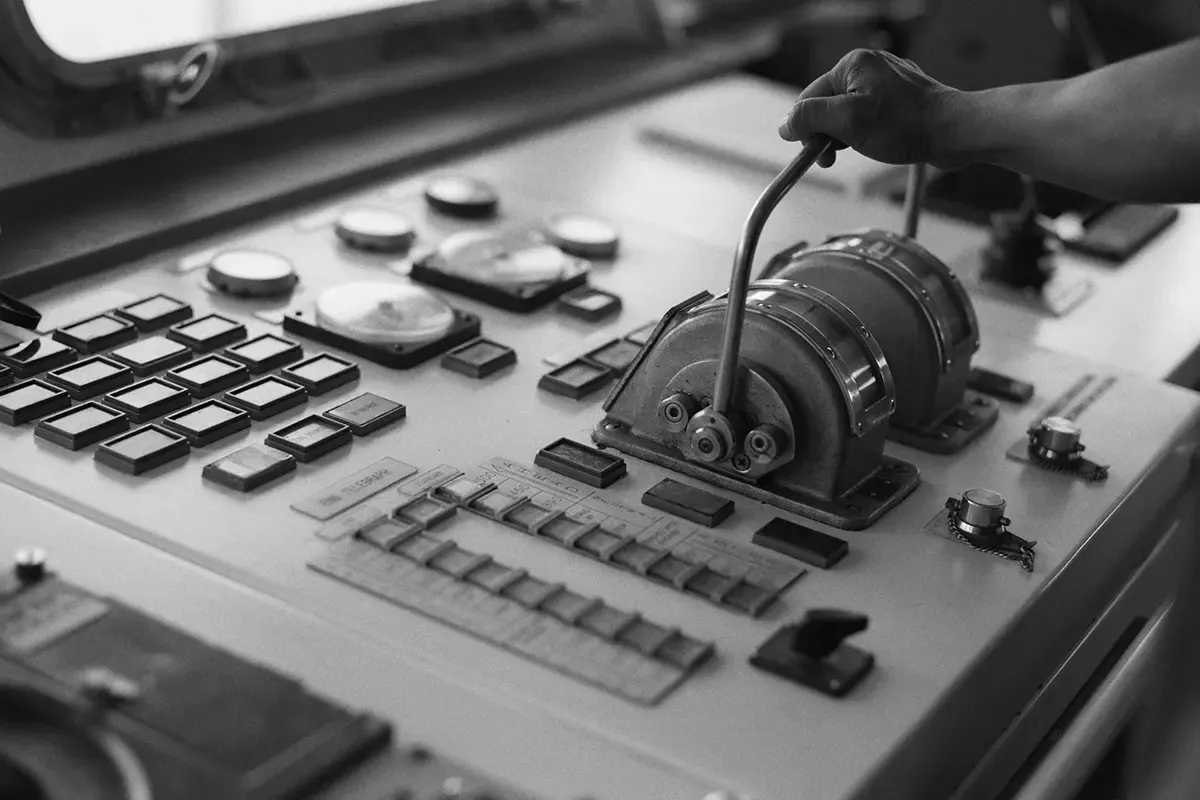
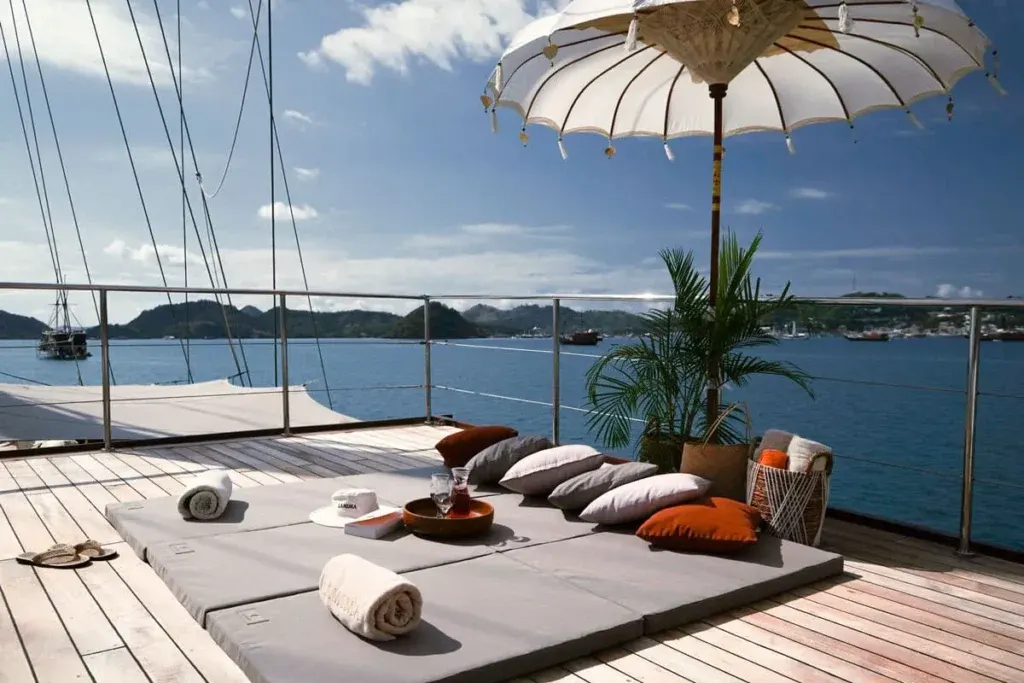
Today’s phinisi is a masterful blend of this ancient craft and modern luxury. While the hull is formed using time-honoured techniques, the vessel is then equipped with state-of-the-art marine engineering, navigation systems, and bespoke interior appointments worthy of a superyacht. This synthesis of old and new is what makes the modern phinisi so compelling—it offers the romance and authenticity of a traditional sailing ship with the comfort, safety, and performance of a contemporary luxury yacht.
Our Shipyards: The Heart of Indonesia’s Boat Building Heritage
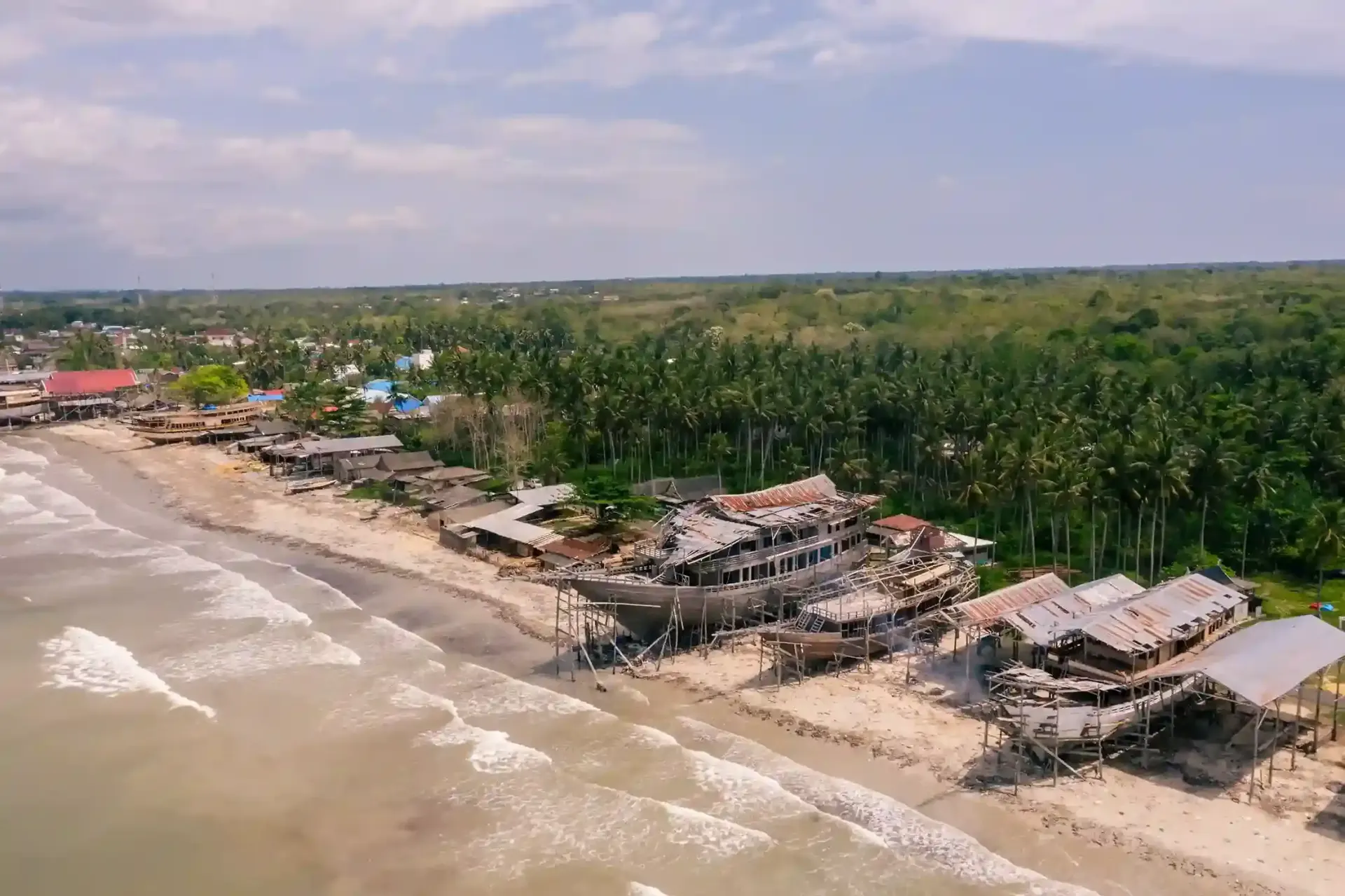
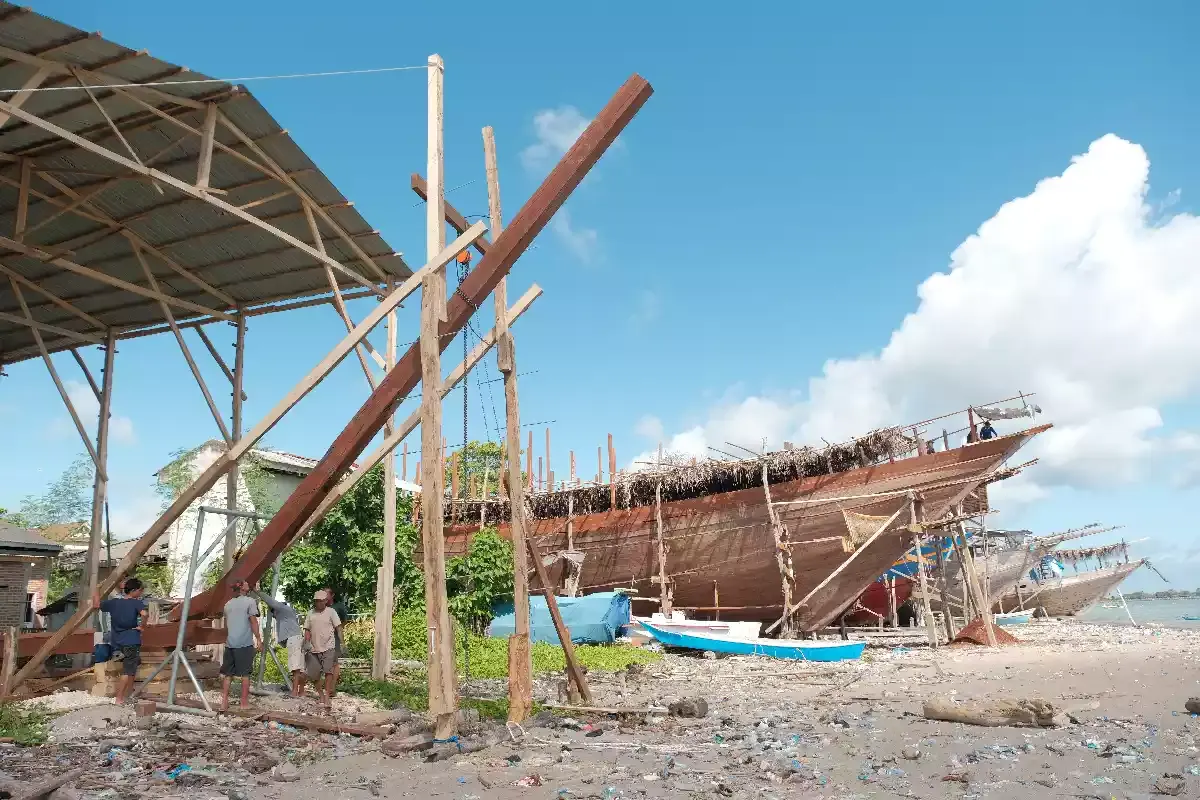
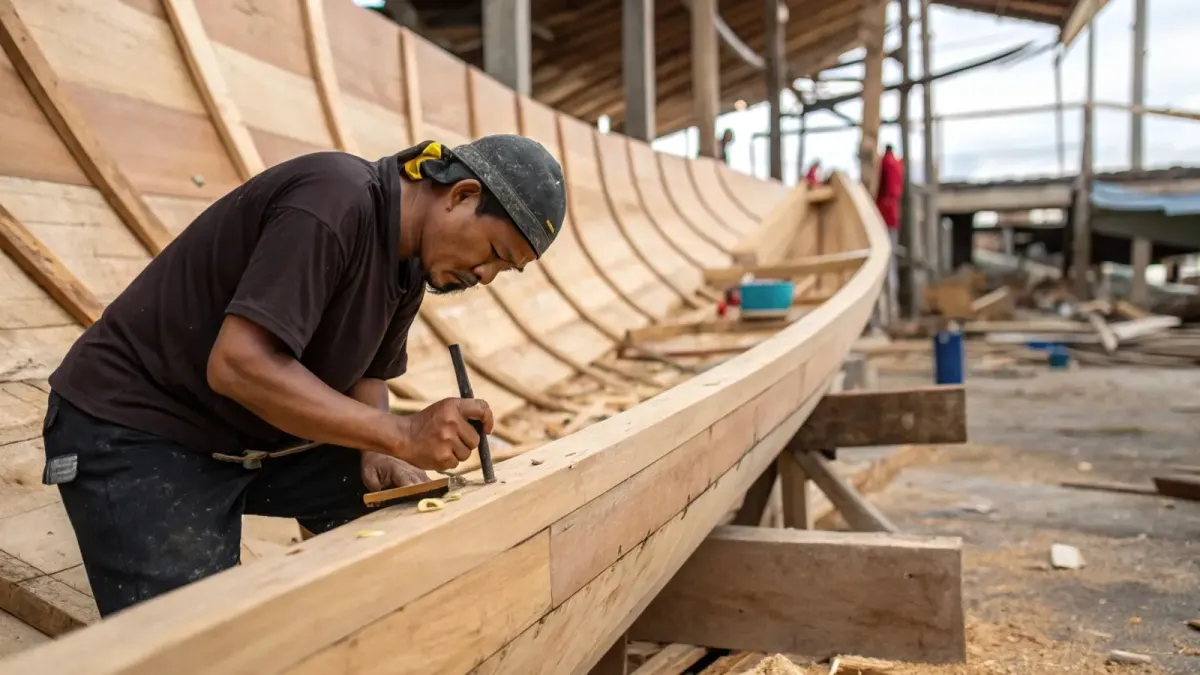
The global epicentre of phinisi construction lies along a specific stretch of coastline in South Sulawesi, primarily in the villages surrounding Bira and the regency of Bulukumba. This is no industrial park of sterile sheds and cranes. Here, the shipyards are the beaches themselves. Hulls rise from the white sand like slumbering whales, their ironwood skeletons exposed to the sun and salt-laced air. The rhythmic percussion of mallets on chisels and the rasp of hand-saws provide the soundtrack, a sound that has remained unchanged for centuries.
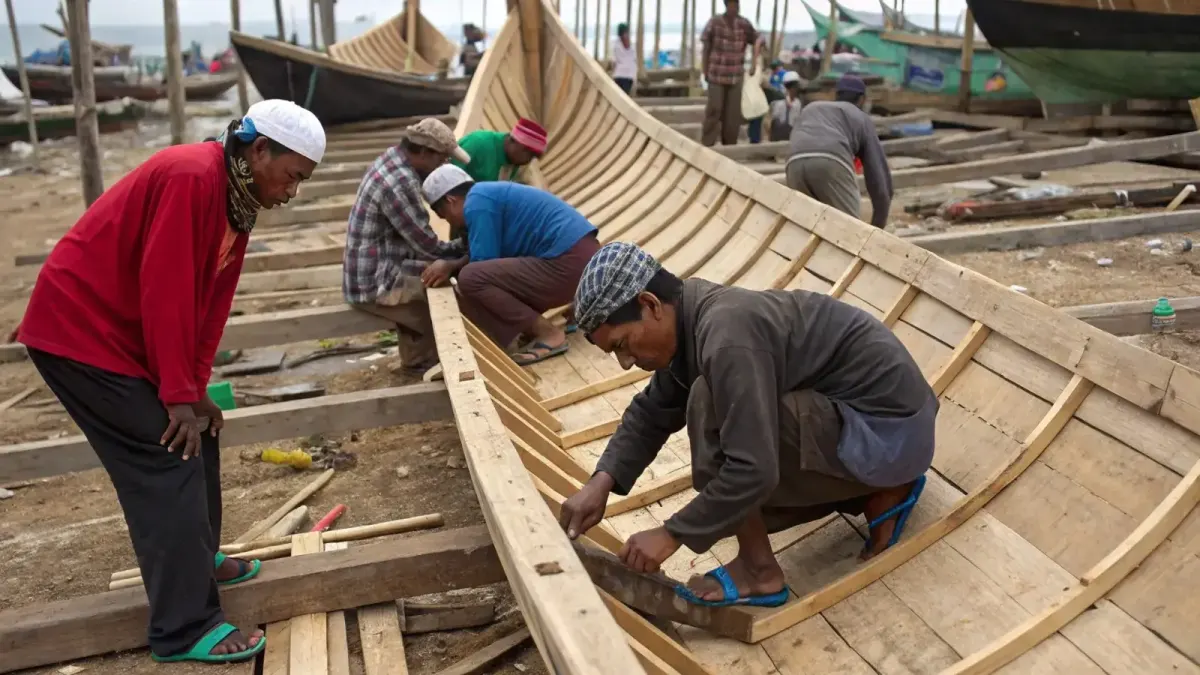
Our work is deeply embedded in these communities, particularly in the famed boat building villages of Tanah Beru and Ara. We do not operate a single, consolidated facility. Instead, we have cultivated deep, long-standing relationships with the most respected and skilled teams of Konjo craftsmen. This allows us to select the ideal master builder (*punggawa*) and team for each specific project, based on their particular expertise and current capacity. This vetted, decentralised approach ensures that we are always working with the very best talent, rather than being limited by the resources of a single yard.
Visiting these shipyards is an experience in itself. It offers a profound connection to the vessel’s creation. Here, you can walk the length of your own keel, run a hand over the precisely adzed hull planks, and meet the men whose families have been building these ships for generations. It is a world away from a typical fibreglass production line, offering a level of transparency and engagement that is foundational to the bespoke commissioning process with a premier boat builder in Indonesia.
The Art of Ironwood and Teak Construction
The legendary resilience of the phinisi is rooted in the timber from which it is born. The choice of wood is paramount, a science understood implicitly by the Bugis shipwrights. Two primary timbers form the foundation of every build: *kayu ulin*, or Borneo ironwood, and *kayu jati*, or teak. Our commitment to quality begins with the meticulous sourcing of these materials, ensuring they are legally harvested, properly seasoned, and of the highest possible grade.
Ironwood is the backbone of the vessel. Used for the keel, frames, and principal structural elements of the hull, this incredibly dense hardwood is one of the few timbers in the world that sinks in water. Its high oil content makes it exceptionally resistant to the harsh marine environment and the destructive Teredo navalis shipworm, ensuring a longevity measured not in years, but in decades and generations. The craftsmen work this challenging material with incredible precision, shaping the massive keel beam and ribs with little more than an adze and an unerring eye.
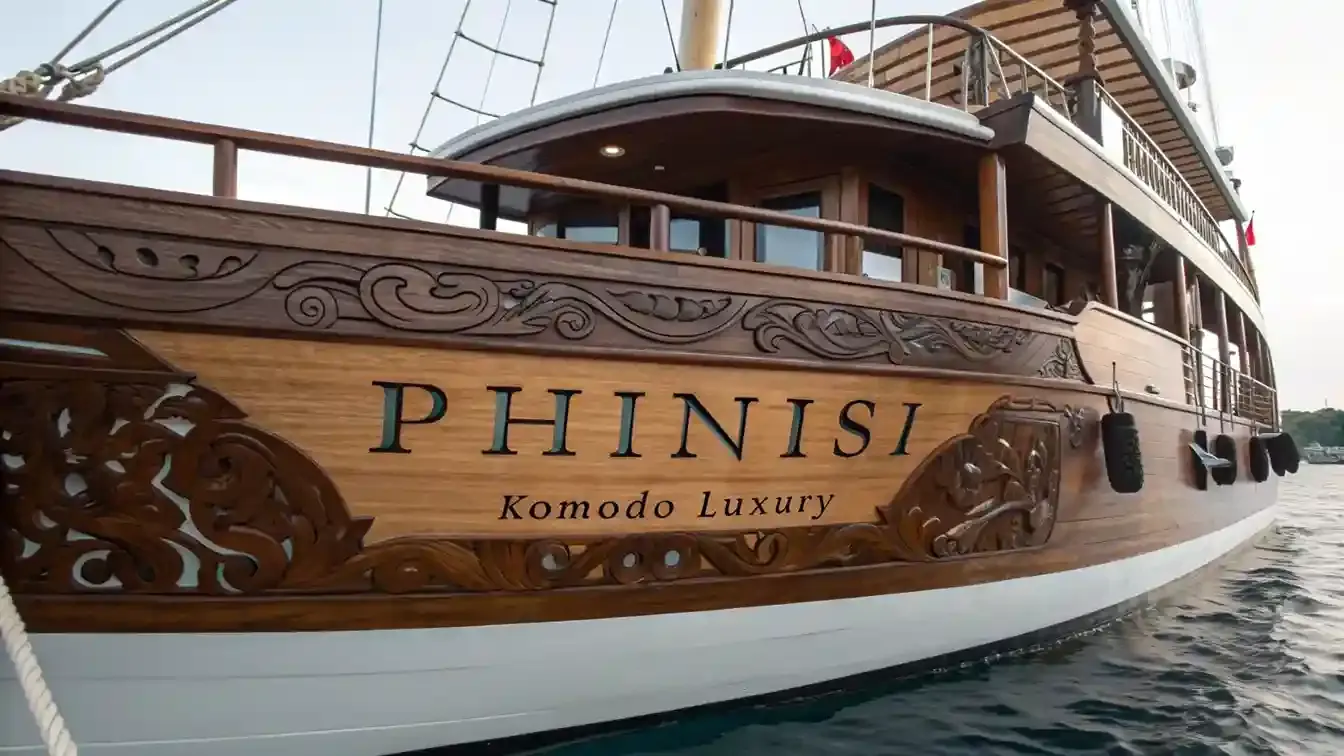
Above the waterline, teak becomes the timber of choice. Prized globally for its beauty, stability, and natural weather resistance, Indonesian teak is used for the decking, superstructure, and often the interior finishing. Its golden-brown lustre and elegant grain provide the aesthetic appeal, while its robust nature ensures it can withstand the tropical sun and sea spray. The synergy between the brute strength of the ironwood below and the refined elegance of the teak above is the hallmark of a masterfully constructed phinisi. It is a philosophy of using the right material, in the right place, for the right reason—a core principle for any serious boat builder in Indonesia.
Your Vision, Our Craftsmanship: The Commissioning Process
Commissioning a custom phinisi is an intimate collaboration between your vision and our expertise. The journey is a structured, transparent process designed to ensure that the final vessel is a perfect reflection of your requirements, from its operational purpose to its finest aesthetic details. Our role is to act as your trusted partner and advocate, translating your concepts into a language the traditional builders understand and ensuring every stage is executed to the highest international standards.
Phase 1: Concept, Design, and Specification
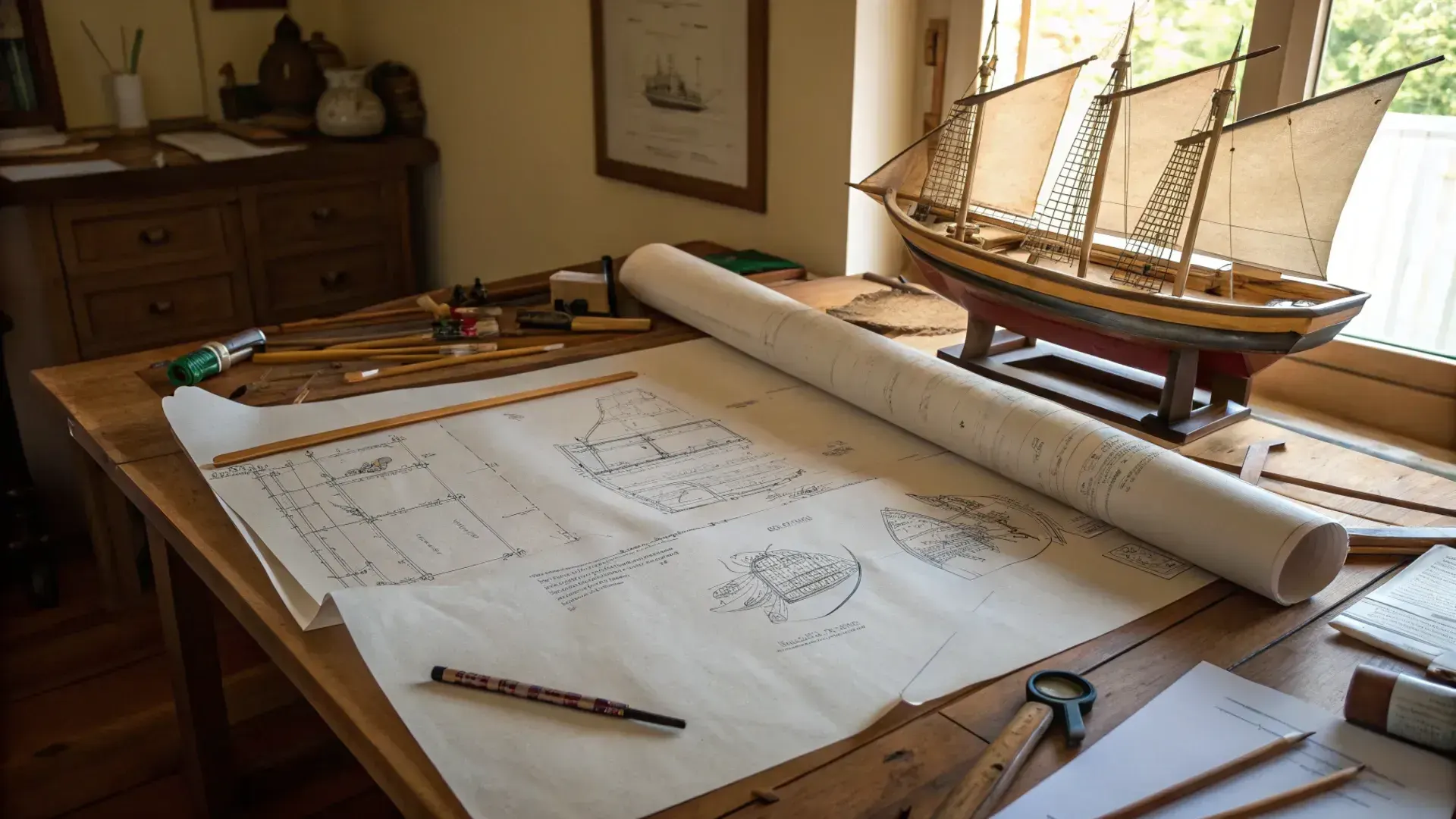
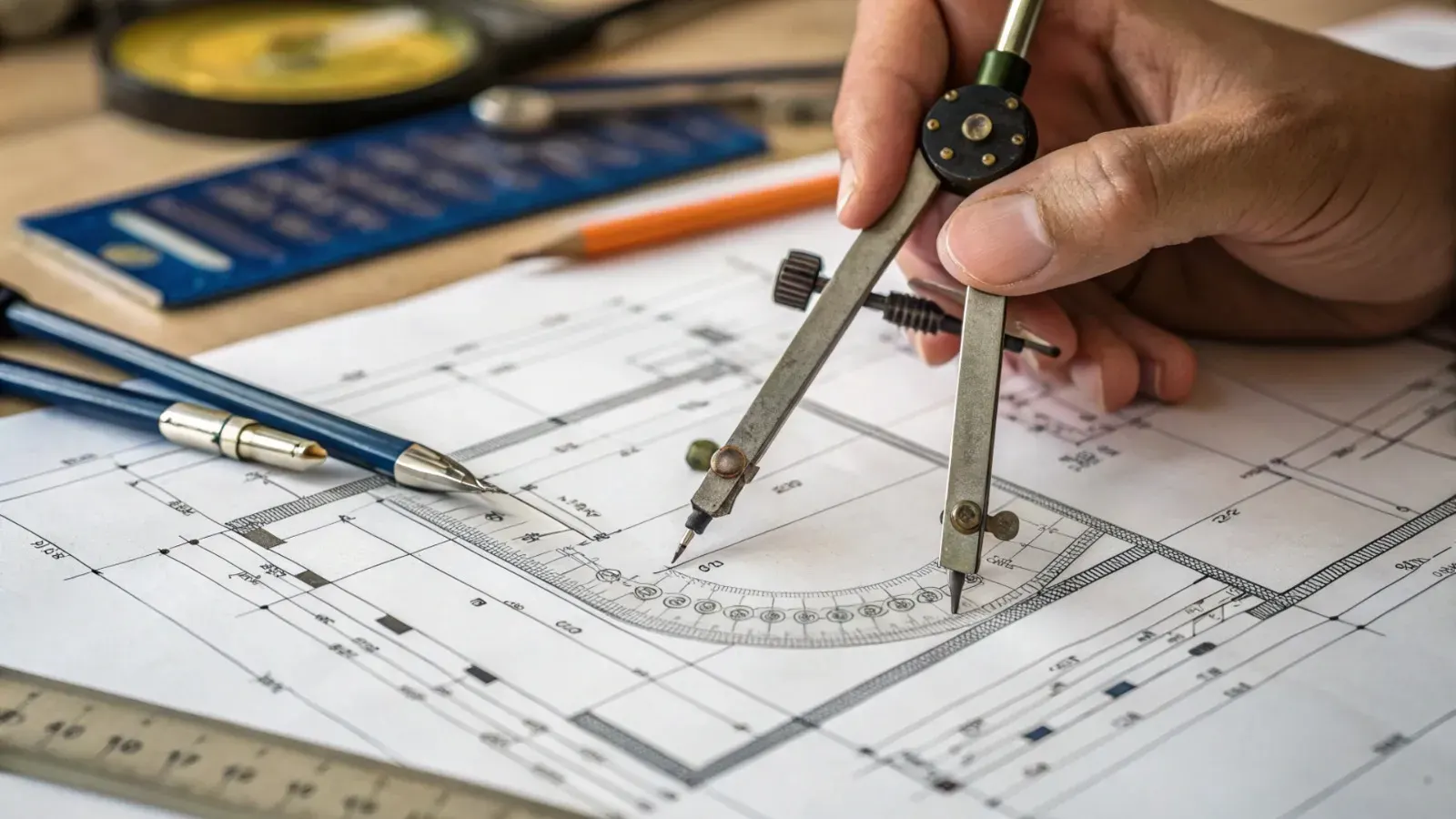
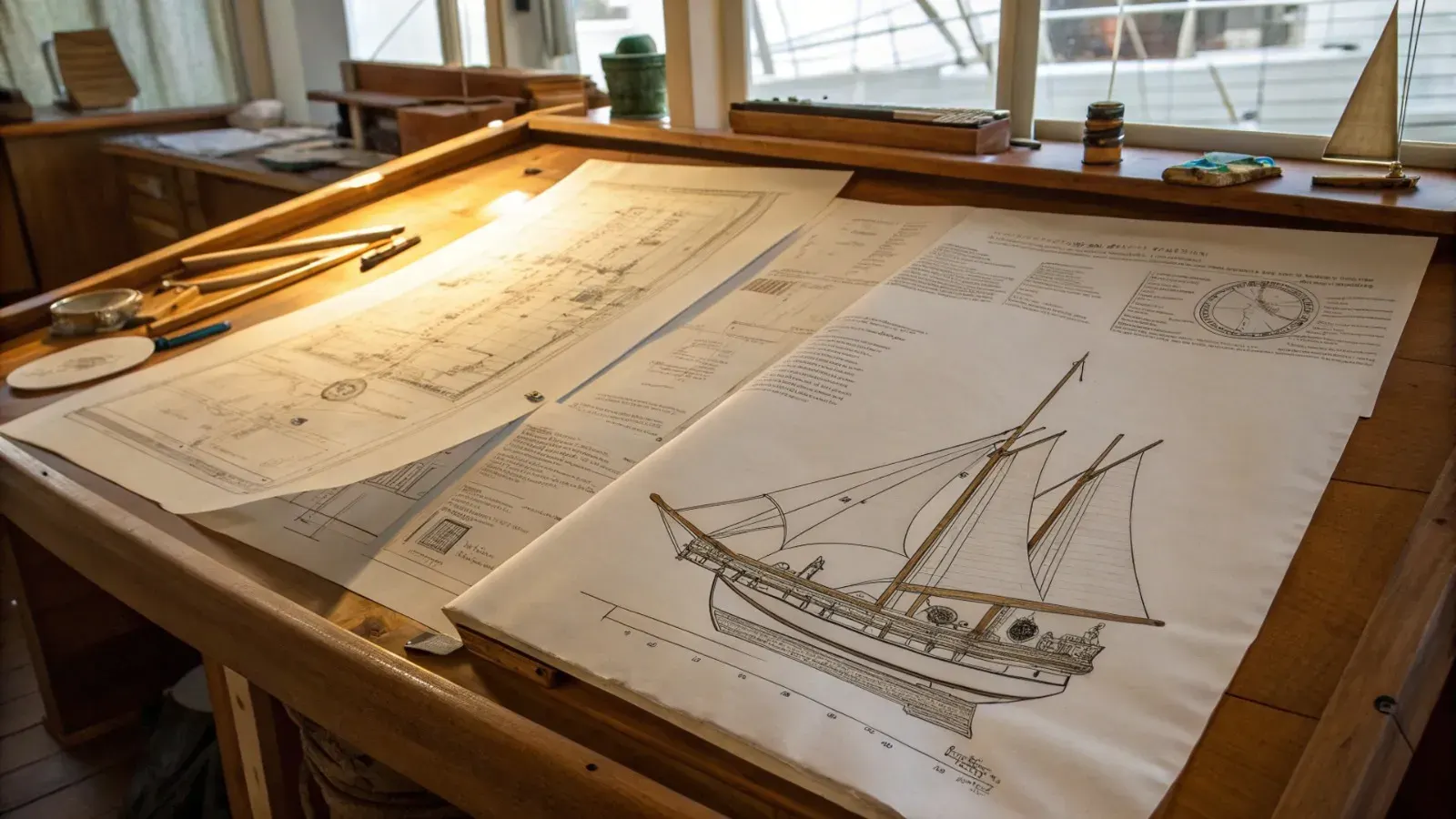
It all begins with a conversation. We work closely with you, your captain, or your broker to define the vessel’s mission. Is it a private yacht for family exploration, a high-capacity charter vessel for the luxury dive market, or a long-range expedition cruiser? This core purpose informs every subsequent decision. We collaborate with leading naval architects who specialise in wooden vessels to develop a comprehensive general arrangement (GA), hull design, and technical specification sheet. This foundational document becomes our blueprint, balancing traditional aesthetics with modern performance, safety, and regulatory compliance.
Phase 2: Builder Selection and Contract
With a clear design in hand, we leverage our network in Bira and Bulukumba to select the most suitable *punggawa* and his team. This is a critical step, as different teams possess nuanced skills. We manage the negotiation and contracting process, establishing a clear payment schedule tied to verifiable construction milestones. The contract is comprehensive, protecting your interests and ensuring there is absolute clarity on deliverables, timelines, and quality standards before the first piece of timber is cut.
Phase 3: Material Sourcing and Preparation
Parallel to the design phase, our team begins the vital process of sourcing the ironwood and teak. We travel to certified suppliers in Sulawesi and Kalimantan to hand-select the best logs, overseeing their milling and seasoning. This proactive approach prevents delays and guarantees that only superior, properly prepared timber is used in your build, a detail that a diligent boat builder in Indonesia must never overlook.
Navigating the Build: Project Management and Milestones
For an owner located halfway across the world, trust and transparency are not luxuries; they are necessities. Our core function during the 18- to 30-month construction cycle is to serve as your eyes and ears on the ground, providing meticulous project management and unwavering quality control. We bridge the cultural and logistical gap, ensuring the build progresses efficiently and adheres strictly to the agreed-upon design and standards.
Our project management protocol is built on a foundation of constant communication. You will receive detailed weekly or bi-weekly progress reports, complete with high-resolution photographs and video documentation. These reports track progress against the established milestones, from the laying of the keel and the setting of the frames to the completion of the hull planking and the installation of the deck beams. We provide a clear, objective assessment of the work, allowing you to follow every step of your vessel’s creation from anywhere in the world.
Quality control is an active, daily process. Our on-site supervisors, fluent in both English and the local Konjo dialect, inspect the work at every stage. We ensure the joinery is flawless, the fastenings are correct, and the integrity of the build is never compromised. This hands-on oversight is crucial for integrating modern systems into the traditional hull. We manage the complex installation of engines, generators, plumbing, and electrical systems, coordinating between the traditional craftsmen and specialist marine technicians to ensure a seamless and reliable result. This rigorous oversight is the signature of a professional boat builder in Indonesia.
Beyond the Build: Launch, Sea Trials, and Handover
The completion of the hull is a moment of immense celebration. The vessel’s launch is a significant community event in Sulawesi, steeped in tradition and ceremony. It often involves rituals to bless the boat and ensure safe passage, culminating in the spectacular sight of the massive hull sliding across the sand and into the sea for the first time. While steeped in tradition, this process is also a carefully managed logistical operation that we oversee to ensure the vessel enters the water safely.
Once afloat, the phinisi is moved to a dedicated finishing facility for the final outfitting, systems commissioning, and sea trials. This is where the interior is completed, the masts are stepped, the rigging is installed, and every piece of machinery and equipment is rigorously tested. Our technical team directs comprehensive sea trials to assess the vessel’s performance, stability, and handling characteristics, making fine-tuning adjustments as necessary. We work through a detailed pre-handover checklist, ensuring every system, from the air conditioning to the navigation suite, functions perfectly.
The final handover is the culmination of the entire journey. We provide you with a complete documentation package, including all technical manuals, system diagrams, and classification society paperwork. We facilitate crew training to ensure your team is fully familiarised with the vessel’s unique characteristics and systems. Our commitment does not end at the handover; we remain available to provide after-sales support and warranty assistance, ensuring your ownership experience is as flawless as the build itself.
Frequently Asked Questions About Building a Phinisi in Indonesia
What is the typical timeframe for a custom phinisi build?
A custom build is a significant undertaking. For a luxury phinisi yacht between 30 and 50 metres, a realistic timeframe is typically 18 to 30 months from contract signing to final handover. This duration allows for proper timber seasoning, meticulous traditional construction of the hull, and the detailed installation and finishing of modern marine systems and luxury interiors. Rushing the process, particularly the natural timber preparation, can compromise the vessel’s long-term integrity.
How are payments structured during the build process?
Payments are structured around key, verifiable construction milestones. This approach protects the client’s investment and ensures cash flow for the builders. A typical schedule involves an initial deposit upon signing the contract, followed by instalment payments upon completion of major stages such as the keel laying, framing, hull planking, deck installation, engine installation, and final handover. Each payment is contingent on a satisfactory inspection of the completed milestone.
Can I visit the shipyard during the construction of my yacht?
Absolutely. We strongly encourage owner visits at key stages of the build. Witnessing the traditional craftsmanship firsthand is a unique and rewarding part of the commissioning experience. We can facilitate all local arrangements for your visit to the shipyards in Bira or Bulukumba, including accommodation, transport, and a guided tour of your vessel’s progress, ensuring a productive and memorable trip.
What is the difference between Bugis and Konjo craftsmen?
While the phinisi is often associated with the Bugis people, who were historically the sailors, traders, and owners, the master shipwrights themselves are predominantly from the Konjo ethnic group of Bulukumba. The Konjo are the custodians of the boatbuilding knowledge, an art passed down within their community. When you commission a vessel, you are engaging with the unparalleled, generational skill of the Konjo craftsmen, the true masters of this art form.
Are the yachts built to an international classification standard?
Yes, we can build to meet the standards of various classification societies, such as RINA or BKI (Biro Klasifikasi Indonesia), which is a member of IACS. Achieving class certification involves adherence to specific rules regarding design, materials, and construction methods. This process requires additional surveys and documentation, which we manage as part of the project, ensuring your vessel meets internationally recognised standards for safety and construction quality.
What materials are used for the hull fastenings?
Traditionally, phinisis were constructed using wooden dowels. For modern builds seeking longevity and classification, we primarily use high-quality, marine-grade galvanised bolts or stainless steel 316 for structural fastenings. The choice depends on the specific application, budget, and classification requirements. This is a key detail where modern material science is integrated with traditional building techniques to enhance the vessel’s strength and durability over its lifespan.
How does a boat builder in Indonesia handle the interior fit-out?
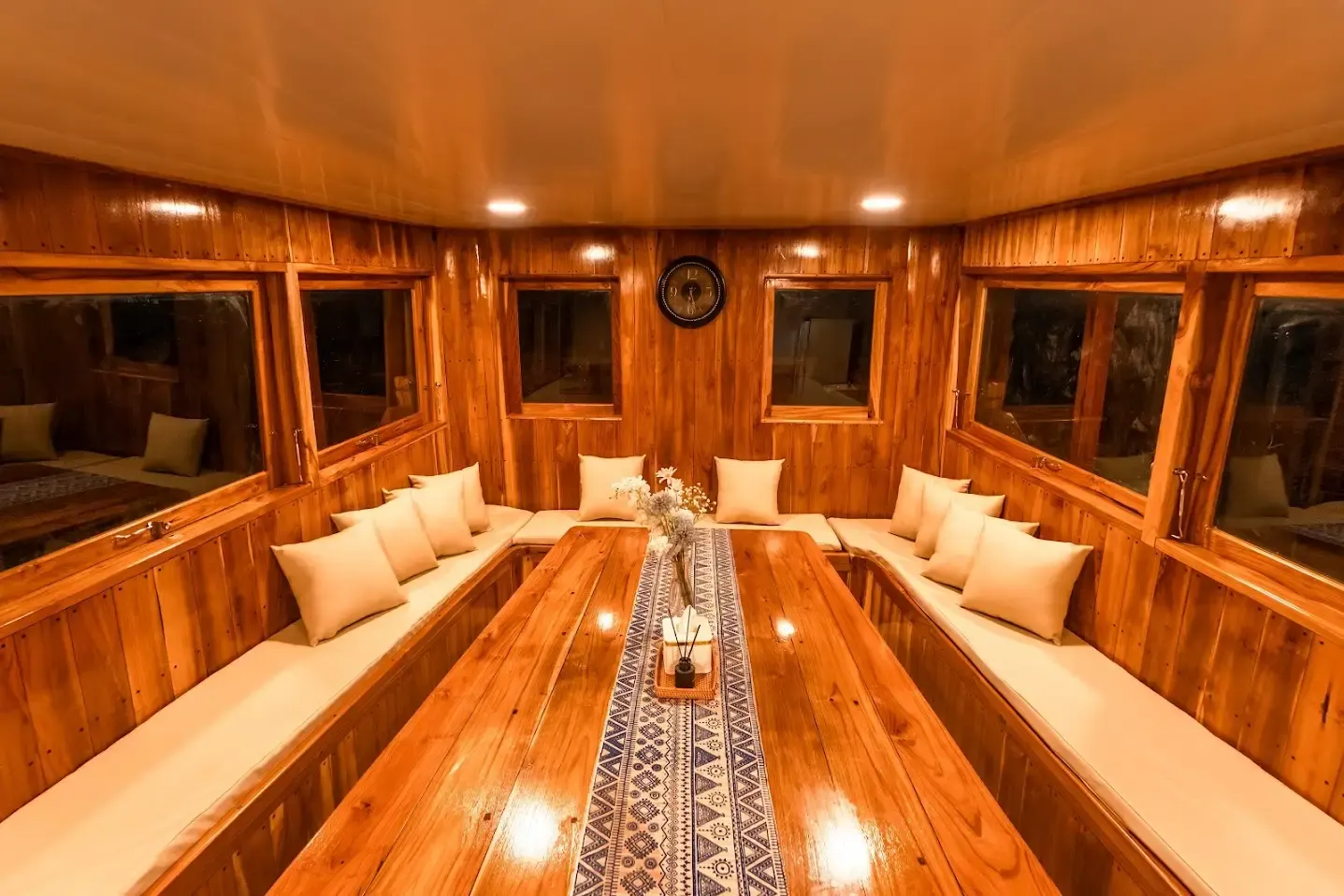
The interior fit-out is a separate, specialised phase. While the Konjo craftsmen build the hull and superstructure, the fine interior joinery, cabinetry, and finishing are typically handled by a dedicated team of skilled carpenters, often from Java, who specialise in luxury interiors. We manage this integration, ensuring the interior design is executed flawlessly within the traditionally built structure. This dual-specialist approach ensures the highest quality in both the ship’s construction and its accommodation.
What kind of engines and systems are installed?
We install reliable, internationally recognised brands for all critical systems to ensure performance and ease of service worldwide. This includes marine engines from brands like Yanmar, Caterpillar, or MAN, generators from Onan or Kohler, and navigation electronics from Garmin or Simrad. All systems are specified in the initial design phase to meet the vessel’s operational requirements and the owner’s preferences, ensuring modern reliability within a traditional hull.
Can you assist with flagging and registration of the vessel?
Yes, navigating the complexities of maritime bureaucracy is a key part of our service. We provide comprehensive assistance with the flagging and registration process, whether you choose to register the vessel under the Indonesian flag or an international flag of convenience. We manage the required surveys, paperwork, and liaison with maritime authorities to ensure the process is smooth and the vessel is legally compliant upon handover.
What makes building in Sulawesi so unique?
Building in Sulawesi is an immersion in a living heritage. It’s about the direct connection to the craftsmen, the use of phenomenal tropical hardwoods, and the creation of a vessel with a soul. Unlike a production yacht, a phinisi from Bira carries the story of its builders and the spirit of their ancestors. It is an opportunity to create not just a luxury asset, but a unique legacy vessel, born from an authentic, centuries-old tradition.
Begin the Conversation
The journey of creating a phinisi is one of the most rewarding experiences in the maritime world. To explore a potential commission or to discuss your vision with our team, we invite you to begin a conversation. Contact us directly via email at bd@juaraholding.com or on WhatsApp at +62 811-3941-4563 to schedule an introductory consultation.