From Keel to Launch: The Art of the Phinisi with a Premier Boat Builder in Indonesia
Commissioning a custom phinisi yacht is an undertaking that transcends mere naval architecture; it is an immersion into a living maritime legacy. For centuries, the master craftsmen of South Sulawesi have fashioned these magnificent vessels, their techniques passed down through generations. To navigate this intricate process, from a blank sheet to a triumphant launch, requires more than a shipyard. It requires a partner, a guide, and a dedicated boat builder in Indonesia who can harmonise ancient artistry with modern superyacht standards.
The Phinisi Legacy: More Than Just a Vessel
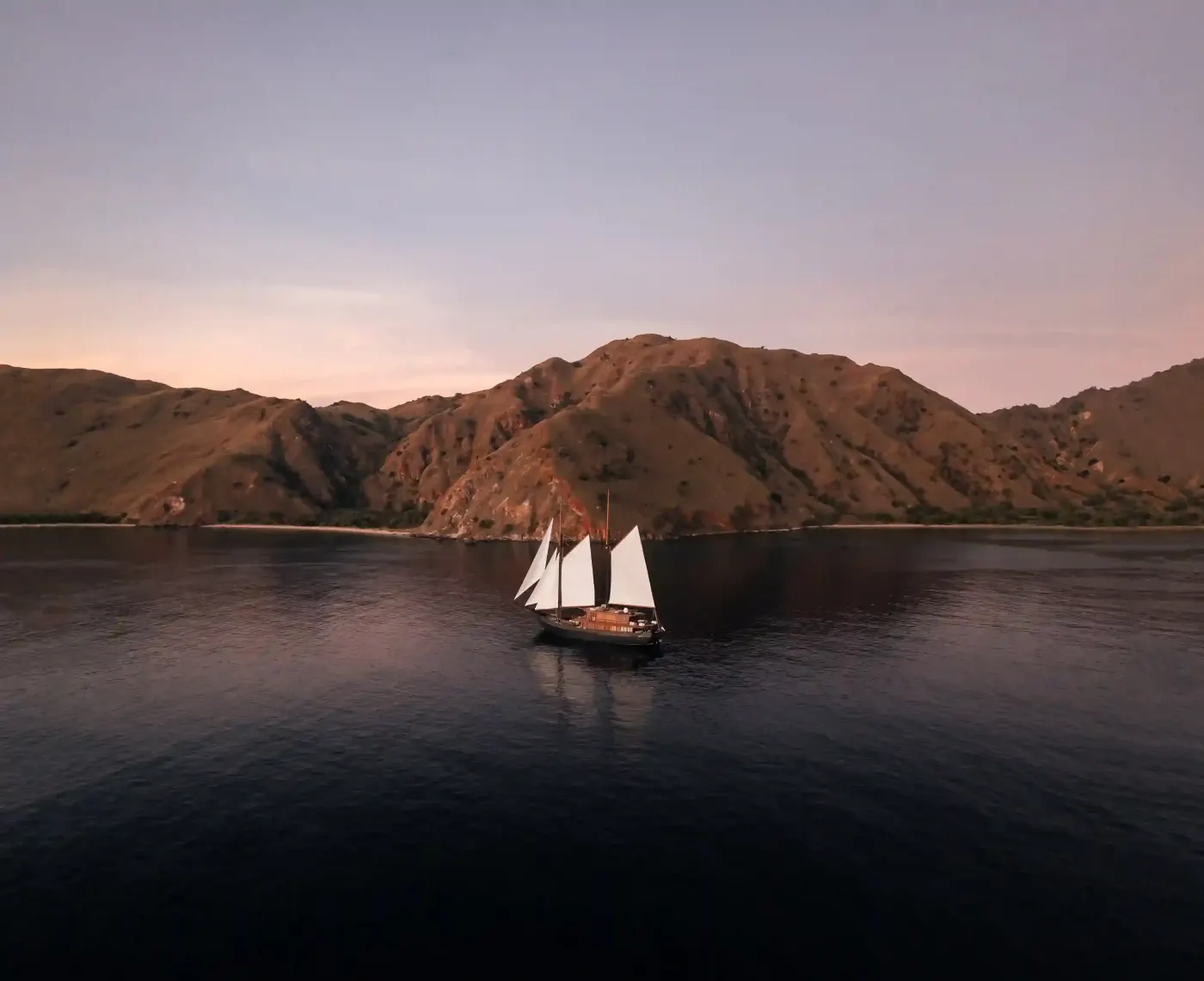
The Indonesian phinisi is not simply a boat; it is a cultural icon. Recognised by UNESCO as a Masterpiece of the Intangible Cultural Heritage of Humanity, its story is woven into the very fabric of the archipelago. The design, with its distinctive gaff-ketch rig and robust hull, is the culmination of centuries of maritime evolution by the Bugis and Konjo people of South Sulawesi. These were the vessels that powered the spice trade, navigated by intrepid seafarers who read the stars and the sea with an innate understanding that modern instruments can only hope to replicate.
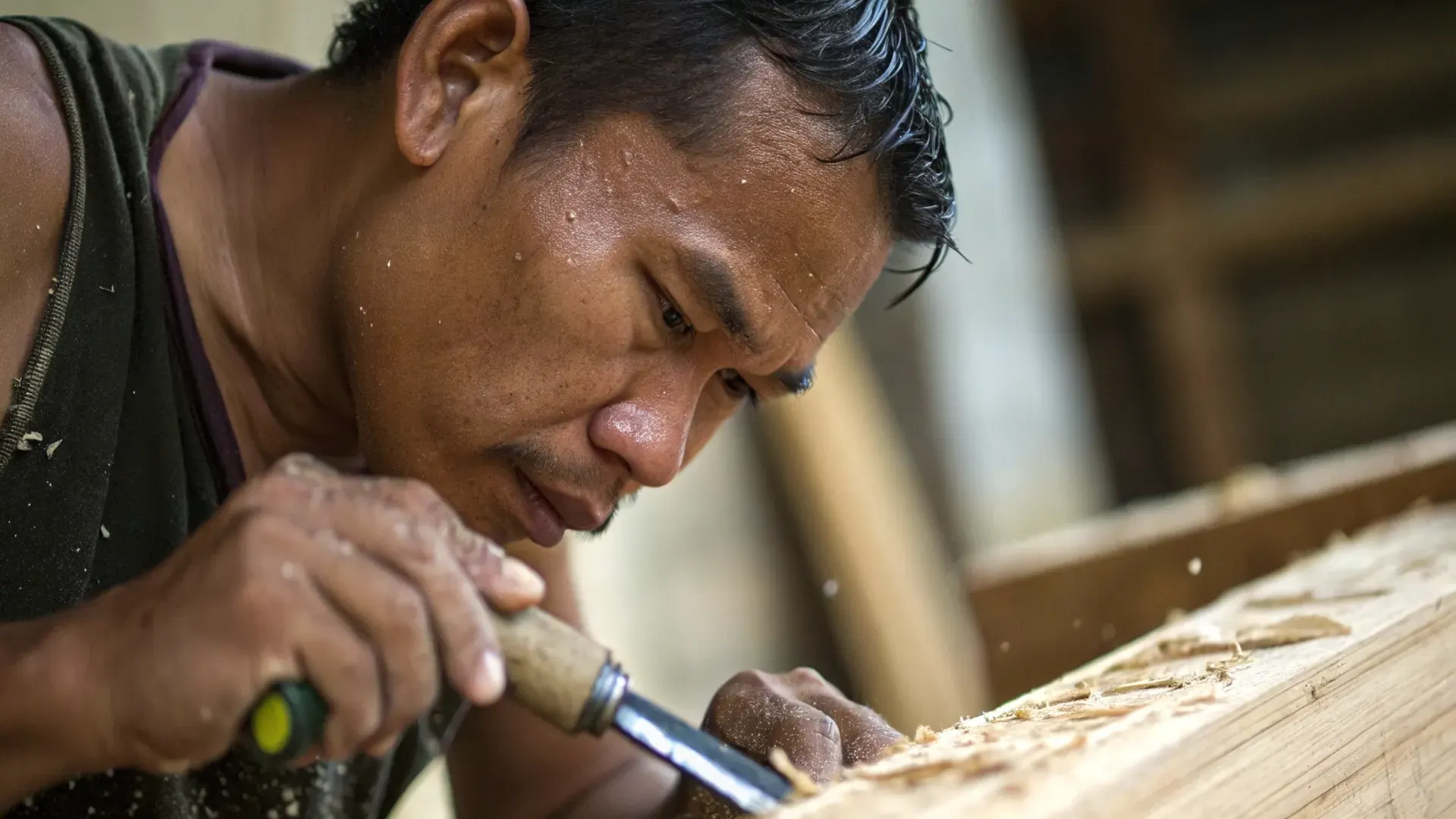
Building a phinisi remains a deeply spiritual affair. The process begins not with a blueprint, but with the selection of timber and a series of ceremonies to appease the spirits of the forest and the sea. The master builder, or punggawa, holds a revered position, overseeing every stage with an artisan’s eye. He directs his team, who work with traditional tools like the adze and chisel, shaping massive timbers by hand. This connection between the builder, the materials, and the vessel’s future life on the water imbues each phinisi with a soul that cannot be factory-produced.
Today, this profound heritage is being channelled into the creation of world-class luxury charter yachts. The challenge and the art lie in preserving the authenticity of the build while integrating the complex engineering, safety systems, and refined comforts expected by a discerning global clientele. A premier boat builder in Indonesia acts as the essential bridge between these two worlds, ensuring the vessel is both a genuine phinisi and a masterpiece of modern marine engineering.
Why Sulawesi? The Heart of Indonesian Shipbuilding
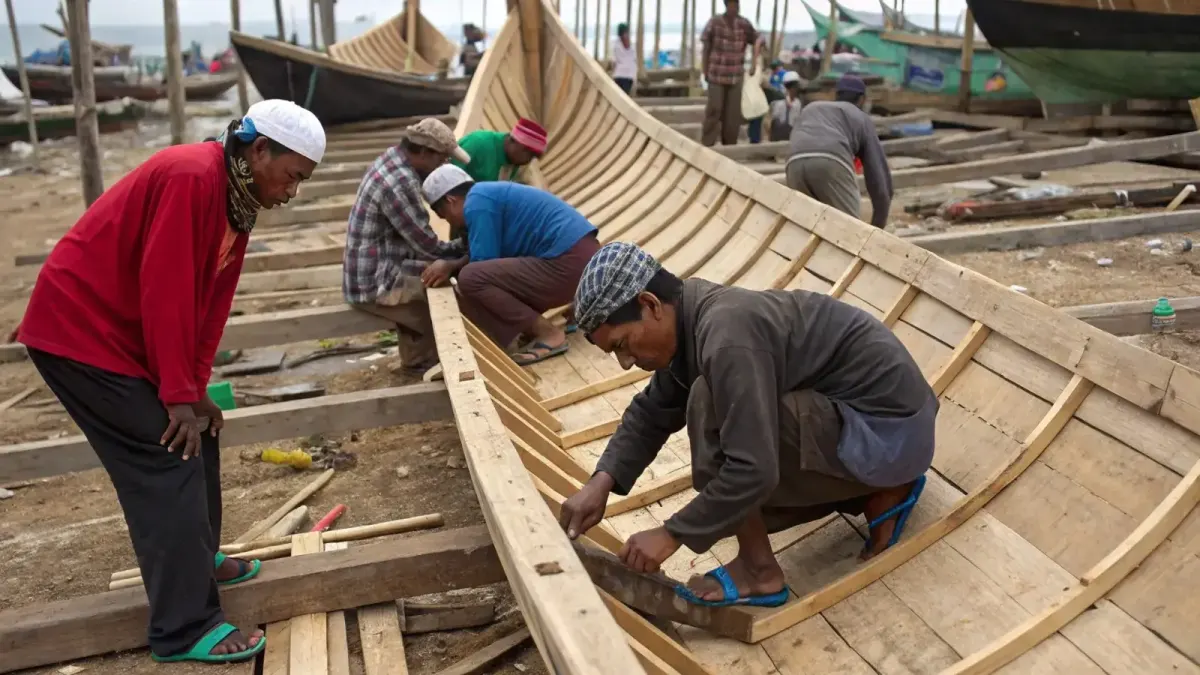
To understand the phinisi, one must travel to its source: the sun-drenched beaches of South Sulawesi. Along the coastlines of Bira, Tanah Beru, and Bulukumba, the air is thick with the scent of freshly cut teak and the rhythmic percussion of hammers striking wood. Here, against a backdrop of turquoise water, the skeletons of future yachts line the white sands, their immense ironwood keels forming the backbone of vessels destined to sail the world’s most beautiful waters.
This small corner of Indonesia is the undisputed global centre for traditional wooden boat construction. The expertise is not learned from textbooks; it is inherited. A young boy learns to read the grain of a timber plank at his father’s side, just as his father did before him. This generational knowledge is an invaluable resource, allowing for a level of craftsmanship in wood that has all but vanished elsewhere in the world. The builders can coax and shape 20-metre-long planks into elegant, curving hulls with a precision that defies the simplicity of their tools.
Furthermore, Sulawesi provides access to the essential raw materials. The region is a source of world-renowned tropical hardwoods, particularly ironwood (kayu ulin) for the hull and teak (kayu jati) for the superstructure and interiors. This geographical advantage, combined with the unparalleled human skill, creates a unique ecosystem for shipbuilding. Choosing to build here is not just a practical decision; it is a commitment to participating in and sustaining a remarkable cultural tradition.
Selecting Your Partner: Vetting a Boat Builder in Indonesia
The journey of commissioning a custom phinisi is as much about the relationship you build with your construction partner as it is about the vessel itself. The difference between a seamless, rewarding experience and a frustrating ordeal lies in selecting the right boat builder in Indonesia. This decision requires rigorous due diligence, moving beyond impressive websites and artist’s renderings to scrutinise the builder’s true capabilities and integrity.
An elite builder provides more than just labour; they offer comprehensive project management, transparent communication, and a deep understanding of both local traditions and international standards. Key criteria for vetting include a verifiable track record of successful launches, a portfolio of vessels that are still operating to a high standard, and direct access to past clients for testimonials. It is essential to inspect their previous work, not just in photos but in person, to assess the quality of the finish, the logic of the engineering, and the durability of the construction years after launch.
Crucially, look for a builder with a robust legal and operational structure, often a foreign-investment company (PMA), which provides greater security and accountability than informal local arrangements. They must demonstrate fluency in the language of naval architecture, classification society rules (like RINA or BKI), and the complexities of marine systems. They are your representative on the ground, your quality controller, and your cultural translator, ensuring that the vision discussed in the boardroom is executed with precision on the beaches of Bira.
The Build Journey: A 24-Month Symphony of Craft
The construction of a custom phinisi is a patient, methodical process, typically spanning 18 to 30 months. It unfolds in a series of distinct phases, each a blend of time-honoured tradition and contemporary project management. This timeline is not a factory schedule; it respects the pace of artisanal work and the natural curing times of the timber, ensuring a vessel of superior strength and longevity.
Phase 1: Design and Specification (Months 1-3)
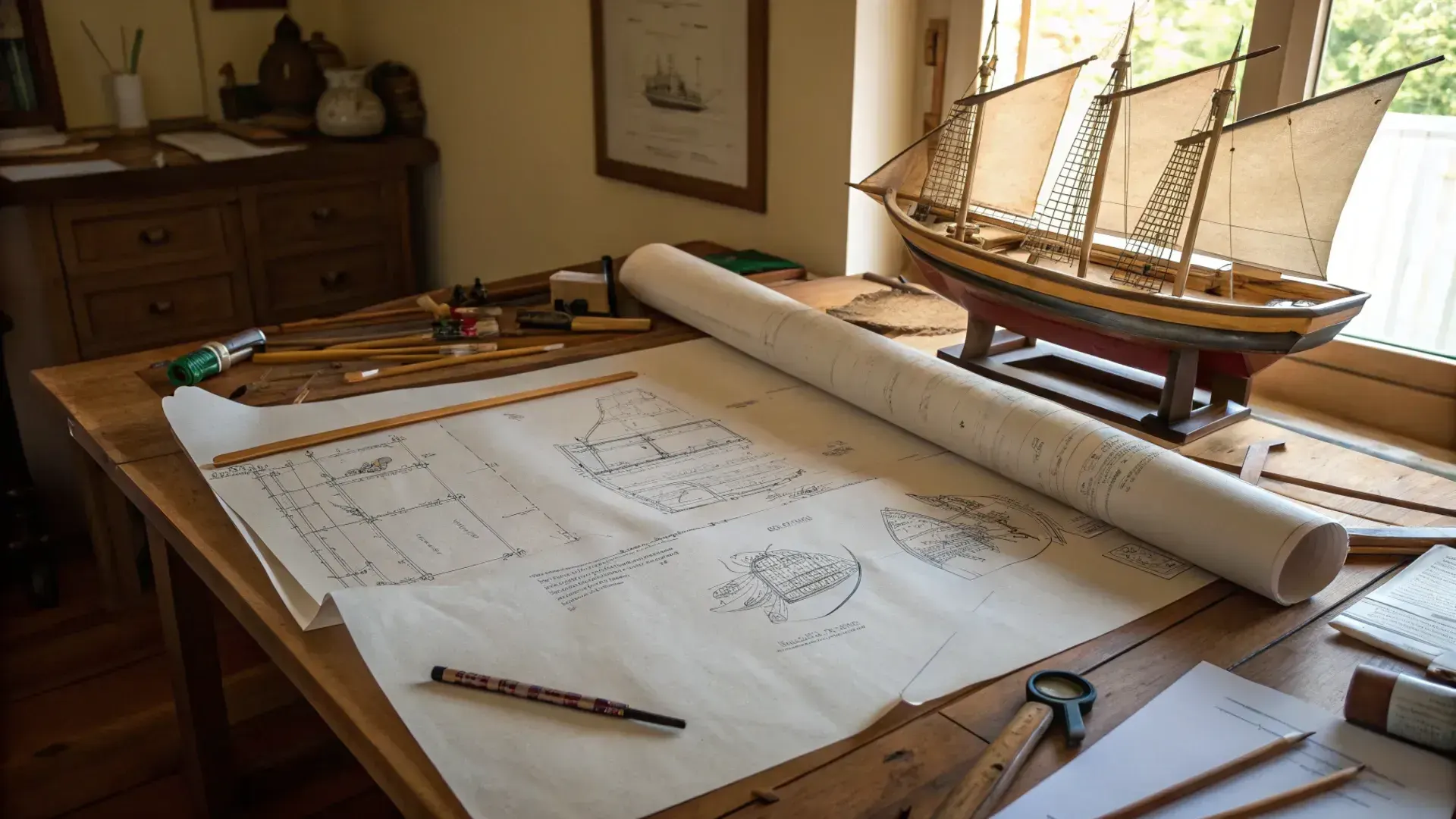
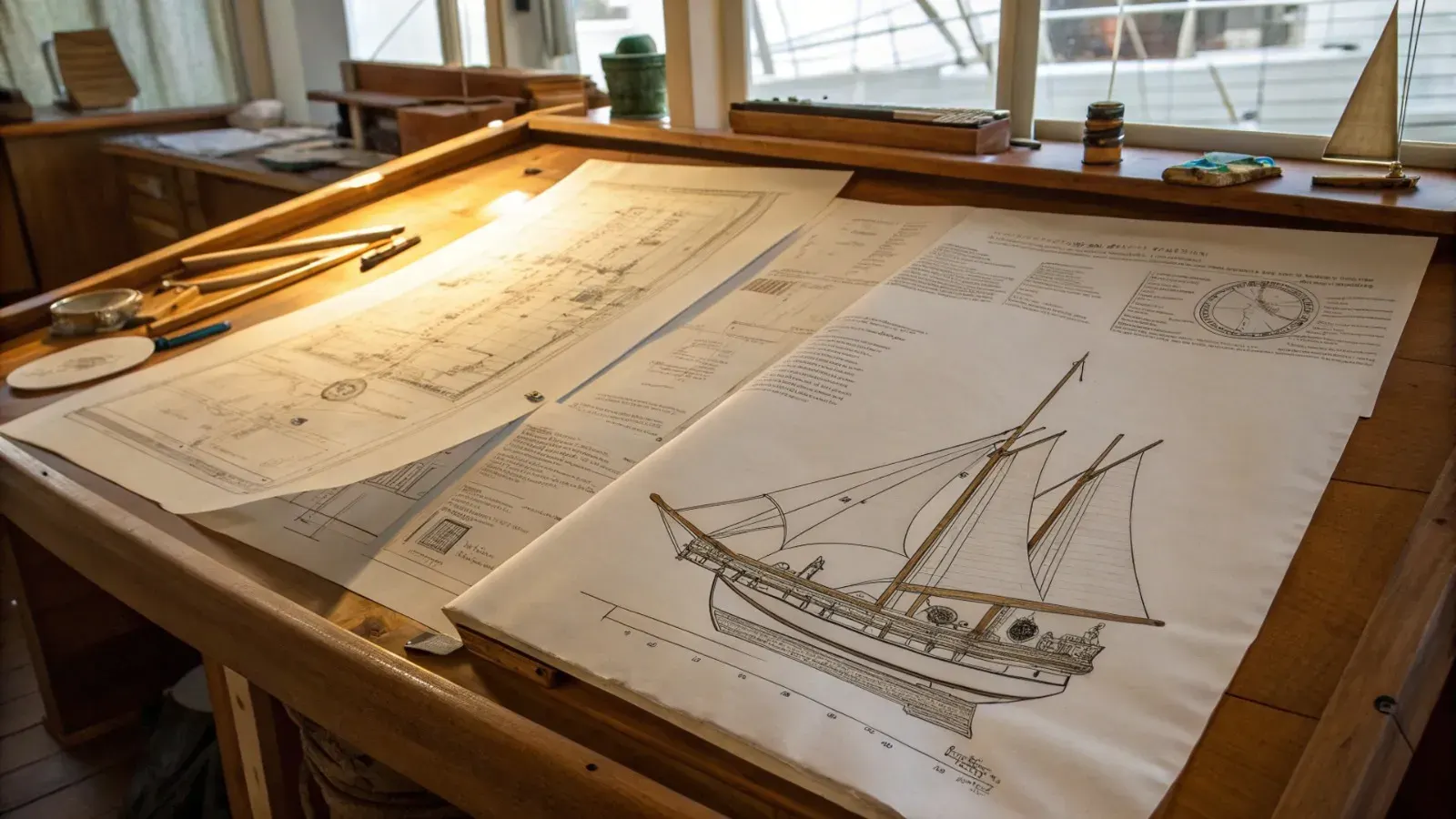
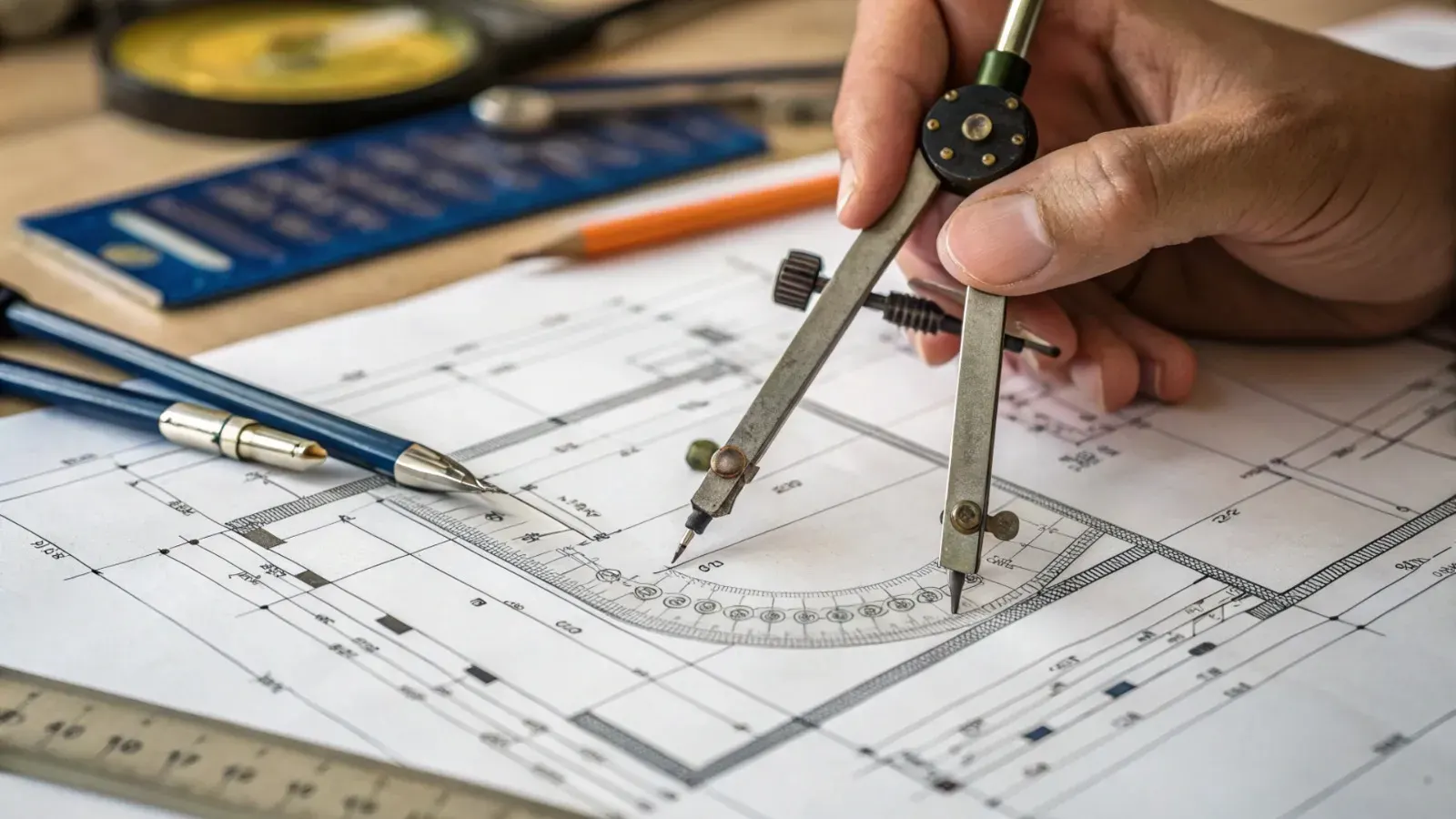
This foundational stage translates your vision into a workable blueprint. It involves extensive consultation to define the vessel’s purpose, whether for private use or luxury charter. A naval architect develops the hull lines, stability calculations, and a detailed General Arrangement (GA) that lays out every cabin, deck, and technical space. This is where key decisions on machinery, navigation systems, and interior style are finalised in a comprehensive specification sheet.
Phase 2: Keel Laying and Hull Construction (Months 4-12)
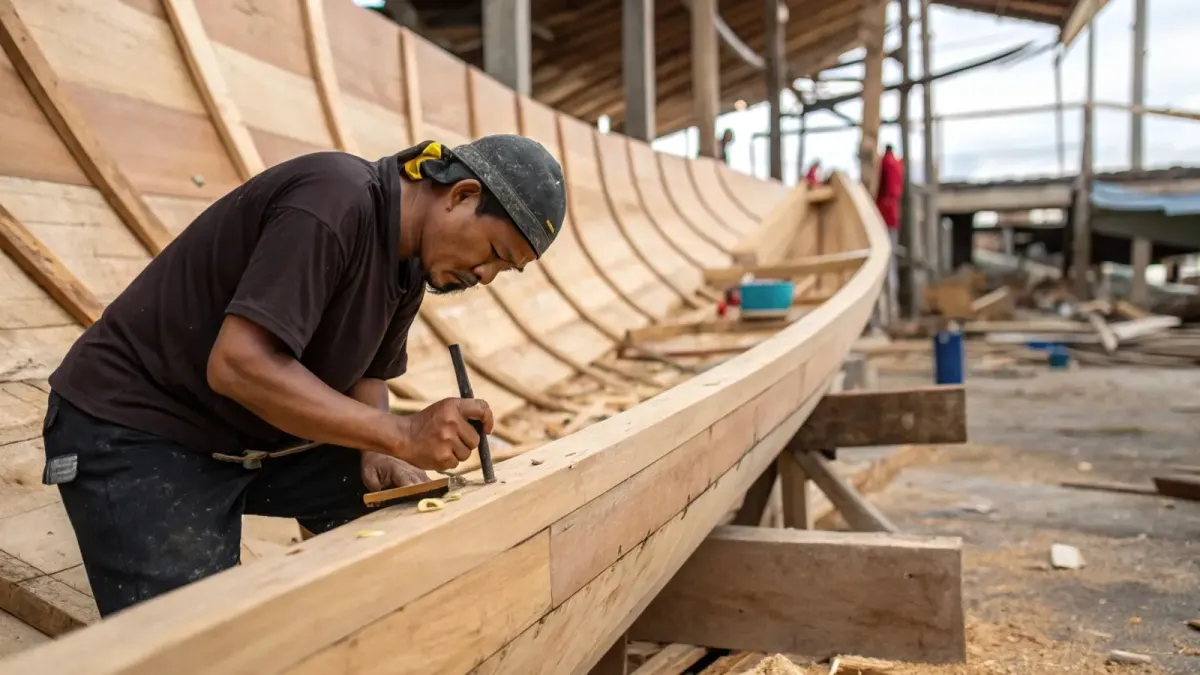
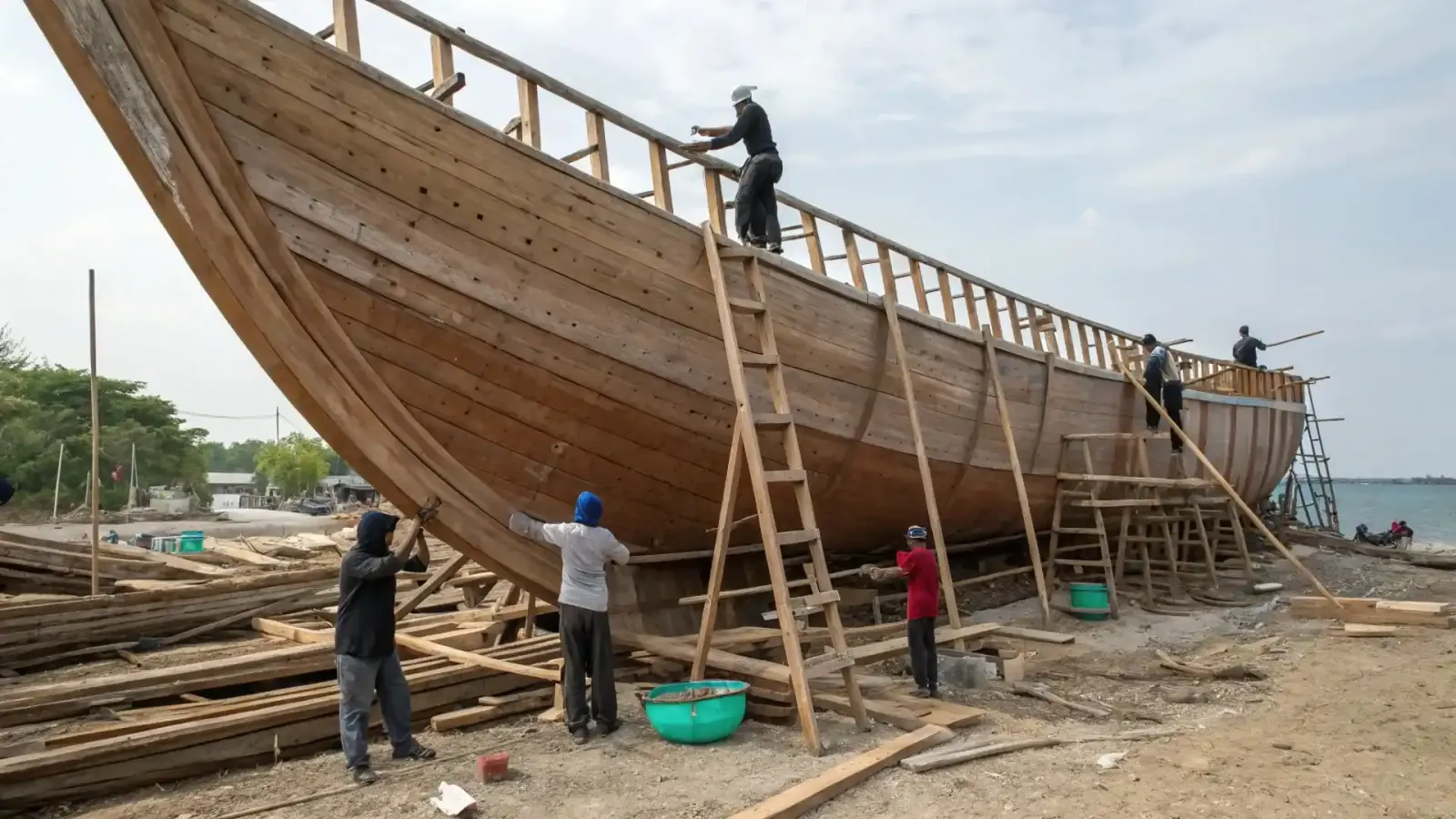
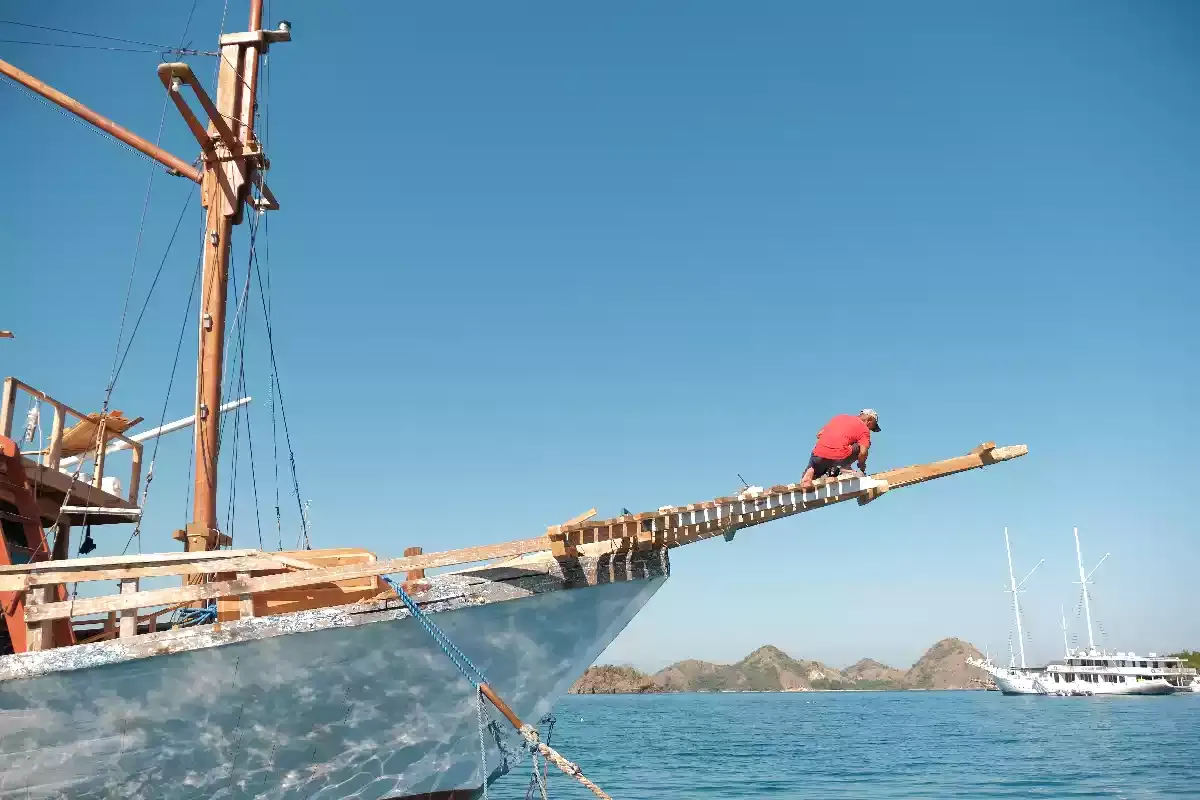
The build truly begins with a traditional keel-laying ceremony, a vital cultural moment that blesses the project. The massive ironwood keel is laid upon the beach, and the punggawa and his team begin erecting the ribs, shaping each frame by hand. The hull planking follows, a painstaking process of fitting, sealing, and fastening heavy teak or ironwood boards. During this phase, the vessel’s iconic shape emerges directly from the sand, a testament to the builders’ skill.
Phase 3: Superstructure and Engineering (Months 13-20)
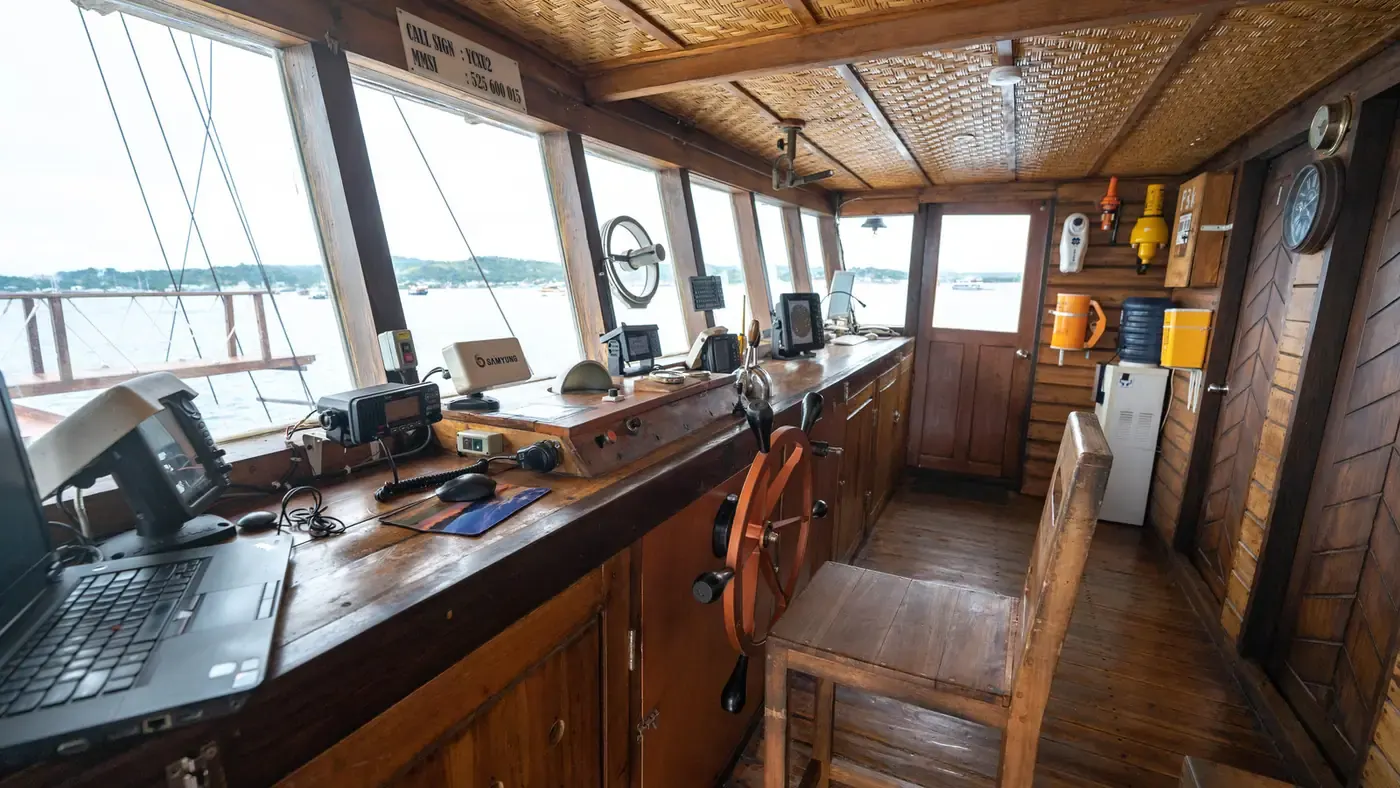
With the hull complete, work moves to the decks and superstructure. Simultaneously, the cavernous interior becomes a hub of technical activity. This is where the modern heart of the yacht is installed. Engineers lay kilometres of wiring and plumbing, and the engine room takes shape with the mounting of main engines, generators, water makers, and air conditioning systems. This phase requires meticulous coordination between traditional carpenters and specialised marine technicians.
Phase 4: Interior Fit-Out and Finishing (Months 21-24+)
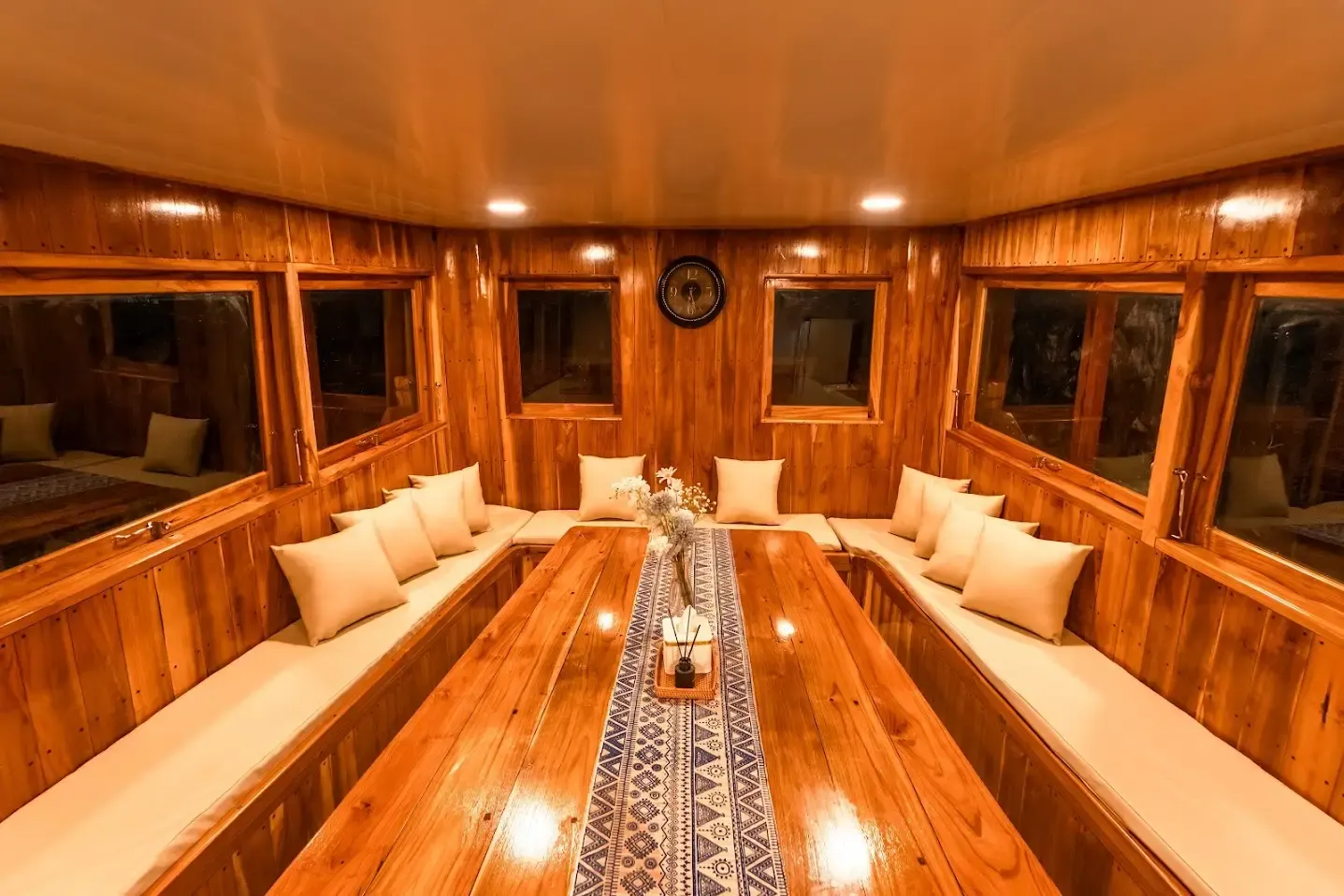
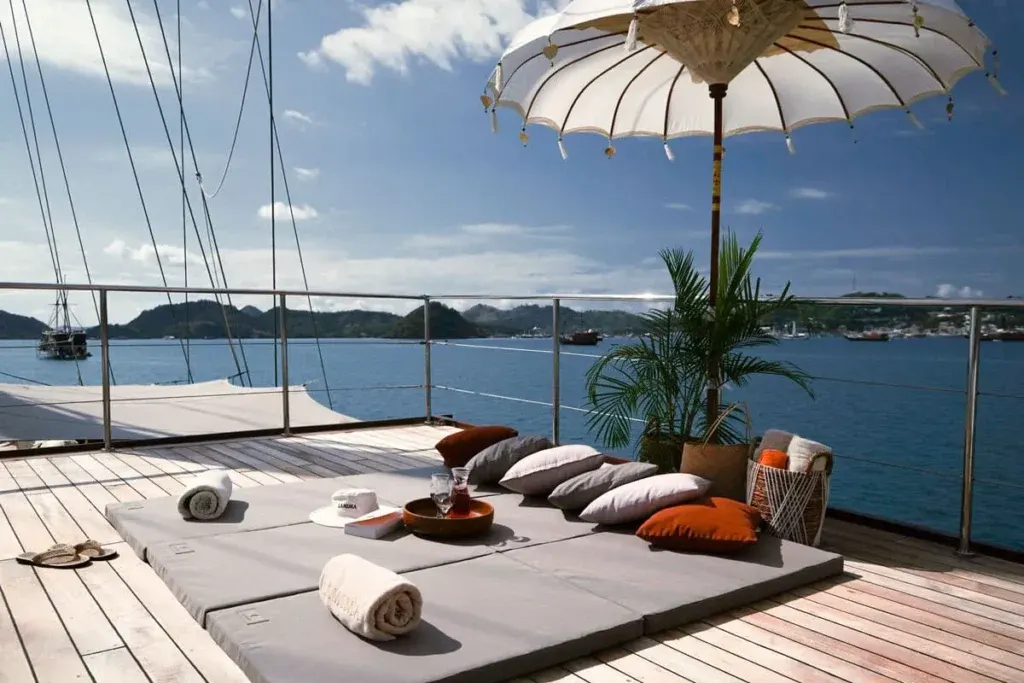
The final stage is where the yacht’s character and luxury are defined. Skilled cabinet makers and joiners begin the interior fit-out, crafting custom furniture, panelling, and flooring. Systems are commissioned and tested rigorously. Painters and varnishers apply the final coats, bringing a deep lustre to the woodwork. Every detail, from the door handles to the upholstery, is installed, transforming the wooden shell into a floating masterpiece.
Materials of a Masterpiece: Ironwood and Teak
The soul of a phinisi is found in its timber. The choice of wood is paramount, dictating not only the vessel’s aesthetic but its strength, seaworthiness, and lifespan. A reputable boat builder in Indonesia will have established supply chains for sourcing the highest quality, legally harvested tropical hardwoods, forming the foundation of a yacht built to last for generations.
The undisputed king of the hull is Sulawesi Ironwood, or kayu ulin. This remarkable timber is one of the densest and most durable woods in the world. Its natural oils make it exceptionally resistant to the harsh marine environment, particularly the destructive shipworm (teredo navalis) that can plague lesser timbers. Its immense strength is used for the keel, frames, and hull planking below the waterline, creating a structure of incredible integrity. Working with ironwood requires immense skill and specialised tools, as its density can challenge even the most experienced craftsmen.
Above the waterline and throughout the interior, teak (kayu jati) reigns supreme. Prized for centuries in shipbuilding, teak combines structural durability with extraordinary beauty. Its high silica content makes it resistant to rot and weathering, making it ideal for decking, superstructures, and railings. Internally, its rich golden-brown grain and smooth finish provide a warm, elegant, and timeless atmosphere. The ability to source high-grade, sustainably managed teak is a hallmark of a responsible and quality-focused builder.
Beyond the Build: Launch, Sea Trials, and Handover
The culmination of two years of dedicated craft is the launch day—a spectacular and nerve-wracking event. There are no travel lifts or slipways on the beaches of Bira. Instead, the entire community gathers for the launch, a feat of logistics and tradition. The hull is moved on rollers and levers, inch by inch, until it finally slips into the sea, a moment of collective celebration for the builders and the owner.
Once afloat, the yacht is moved to a nearby harbour for the final commissioning and sea trials. This is a critical period where every single system is tested under real-world conditions. The engines are run at various loads, the navigation equipment is calibrated, the sails are hoisted, and the vessel’s stability and handling characteristics are assessed by the naval architect and captain. Any final adjustments are made to ensure the yacht performs flawlessly and meets all safety and classification requirements.
The final handover is the moment the owner’s vision becomes a reality. It involves a comprehensive walkthrough of the vessel, detailed training on all its systems, and the delivery of all necessary documentation, including build certificates and class approvals. However, the relationship with a premier boat builder in Indonesia does not end here. They remain a vital resource, providing ongoing support, warranty service, and operational advice as you begin your adventures aboard your truly unique, custom-built phinisi.
Begin the Conversation
Commissioning a phinisi is a significant undertaking. It requires a partner with proven expertise, unwavering integrity, and a deep respect for the tradition. To begin a confidential discussion about your own phinisi project, from initial concept to a fully costed proposal, please contact our senior project management team via email at bd@juaraholding.com or on WhatsApp at +62 811-3941-4563.
Frequently Asked Questions
What exactly is a Phinisi?
A phinisi is a traditional two-masted Indonesian sailing vessel. Originally used for cargo and trade by the Bugis and Konjo people of South Sulawesi, its design is now the basis for luxury private and charter yachts. It is characterised by its gaff-ketch rig, where the mainsail is not attached to a boom, and a robust, hand-built wooden hull. In 2017, the art of phinisi boatbuilding was recognised by UNESCO as a Masterpiece of the Intangible Cultural Heritage of Humanity, cementing its global cultural significance.
How long does it take to build a custom phinisi?
A high-quality, custom phinisi build is a meticulous process that cannot be rushed. A typical timeline ranges from 18 to 30 months from the finalisation of the design to the handover. This duration allows for the proper seasoning and shaping of the timbers, the careful installation of complex modern engineering systems, and the detailed finishing required for a luxury vessel. Shorter timelines often involve compromising on the quality of materials or the curing process, which can affect the yacht’s long-term durability and value.
Why are the best phinisis built in South Sulawesi?
South Sulawesi, specifically the areas of Bira, Tanah Beru, and Bulukumba, is the historical and cultural heartland of phinisi construction. The shipbuilding skills here are not taught in schools but are passed down through generations, resulting in an unparalleled level of intuitive craftsmanship with wood. This, combined with local access to the essential tropical hardwoods like ironwood and teak, makes the region the undisputed global centre of excellence for this unique type of vessel construction.
What are the primary materials used in construction?
The foundation of a phinisi is built from two key tropical hardwoods. The hull, keel, and frames are constructed from ironwood (kayu ulin), an incredibly dense and durable timber that is highly resistant to marine borers and rot. For the superstructure, decking, and interior finishing, high-grade teak (kayu jati) is used. Teak is prized for its beauty, weather resistance, and workability, providing both structural integrity and a luxurious aesthetic. Sourcing legally harvested, high-quality timber is critical.
Can a phinisi be built to international safety standards?
Absolutely. While the hull construction is traditional, a modern luxury phinisi built by a reputable builder is engineered to meet stringent international safety and classification standards. This involves working with naval architects and classification societies like RINA (Registro Italiano Navale) or the Indonesian BKI (Biro Klasifikasi Indonesia). The vessel is equipped with modern safety equipment, fire suppression systems, navigation electronics, and structural reinforcements that meet or exceed global maritime safety codes, ensuring it is a safe and seaworthy vessel.
What is the role of a project manager in the build?
The project manager is the vital link between the owner, the naval architect, and the traditional builders on the ground. They are responsible for overseeing the entire construction process, ensuring the build adheres to the design specifications, timeline, and budget. Their role includes quality control, sourcing of technical components, managing specialised subcontractors (for electrics, plumbing, etc.), and providing regular, transparent progress reports to the owner. A professional project manager is essential for a successful and stress-free build.
How involved can I be as the owner during construction?
Owners are encouraged to be as involved as they wish. A good boat builder will facilitate regular site visits to Sulawesi so you can witness the progress firsthand and connect with the craftsmen building your vessel. They will also provide detailed weekly or bi-weekly photo and video updates. Your involvement is most critical during the initial design phase and later during the interior fit-out stage, where you will make key decisions on layouts, materials, fabrics, and finishes to personalise your yacht.
What are the legal aspects of building a yacht in Indonesia?
Building a yacht in Indonesia involves specific legal frameworks. It is highly advisable to work with a builder structured as a PMA (Penanaman Modal Asing), a foreign-investment company, which offers greater legal protection and transparency for international clients. The build contract should be comprehensive, outlining payment schedules, specifications, and handover terms. The builder will also manage the necessary local permits, vessel registration (either under an Indonesian or foreign flag), and classification society certification, ensuring a legally sound process.
How is the payment schedule structured?
The payment schedule is tied to the achievement of specific construction milestones. It typically begins with an initial deposit to secure the project and procure the main timbers. Subsequent payments are then due upon the completion of key stages, such as the keel laying, completion of the hull, installation of engines, completion of the superstructure, and finally, upon successful sea trials and handover. This milestone-based structure ensures that payments are aligned with tangible progress throughout the 24-month build cycle.
What happens after the yacht is launched?
The launch is a major milestone, but not the end of the process. After launching, the yacht undergoes a rigorous period of commissioning and sea trials. All systems—engines, navigation, plumbing, electrical, sails—are tested extensively to ensure they function perfectly. The builder will address any issues that arise during this period, known as the “snag list.” Following successful sea trials, the final handover to the owner occurs. A reputable builder will also provide a warranty period and ongoing support for maintenance and operations.
How do you ensure quality control throughout the process?
Quality control is a multi-layered process. It starts with the careful selection and testing of all raw materials, especially the timber. Throughout the build, an on-site project manager and foreman provide daily oversight, ensuring the craftsmen adhere to the naval architect’s plans. For technical systems, specialised marine engineers are brought in for installation and commissioning. Finally, an independent surveyor from a classification society (like RINA) may be engaged to perform periodic inspections at key milestones to certify the build quality.
Can the interior be fully customised?
Yes, the interior of a custom-built phinisi is a blank canvas. While the hull shape follows traditional lines, the General Arrangement (GA) and interior design are created specifically for you. You will work with designers to determine the number and configuration of cabins, the layout of the salon and dining areas, and the style of the decor. From the choice of wood for the panelling to the selection of fabrics, lighting, and amenities, every detail of the interior can be tailored to your personal taste and operational needs.