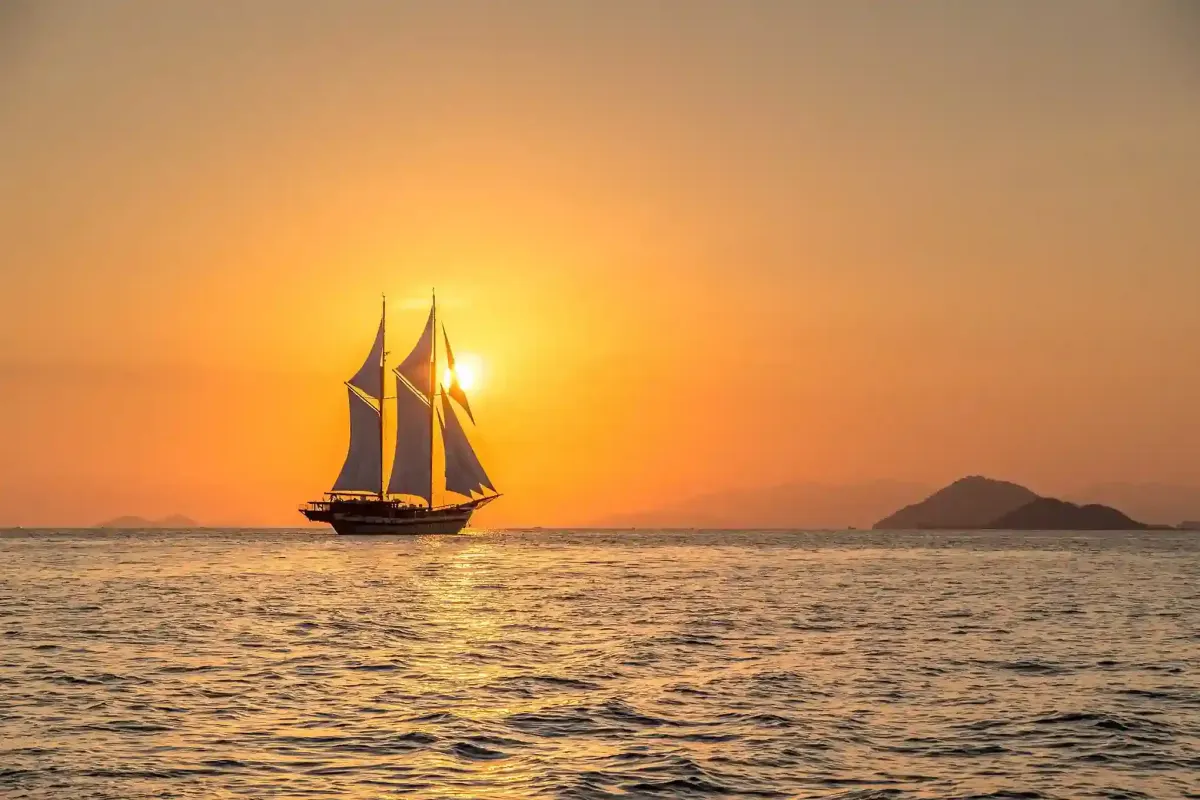
Best Phinisi Builders in Indonesia for a Luxury Charter Vessel
9 min read
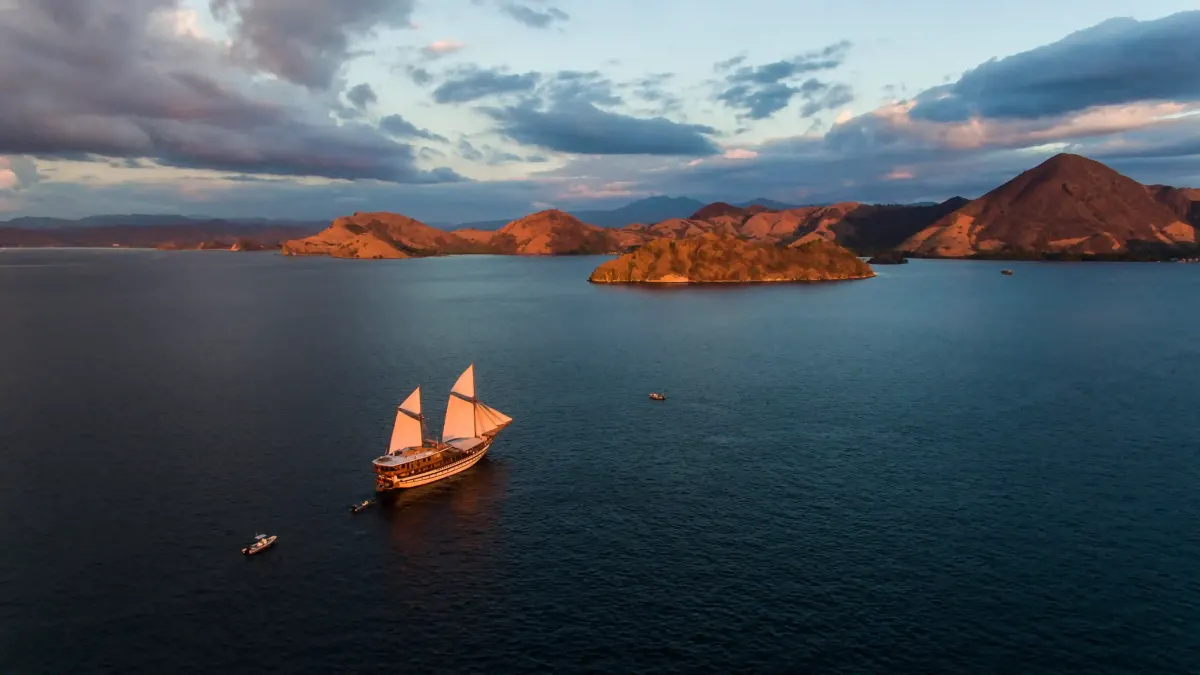
- Utilizing traditional shell-first construction methods with tropical hardwoods like ironwood and teak.
- Collaborating with Bali-based naval architects and project managers for technical outfitting.
- Delivering vessels that meet international safety and luxury charter specifications.
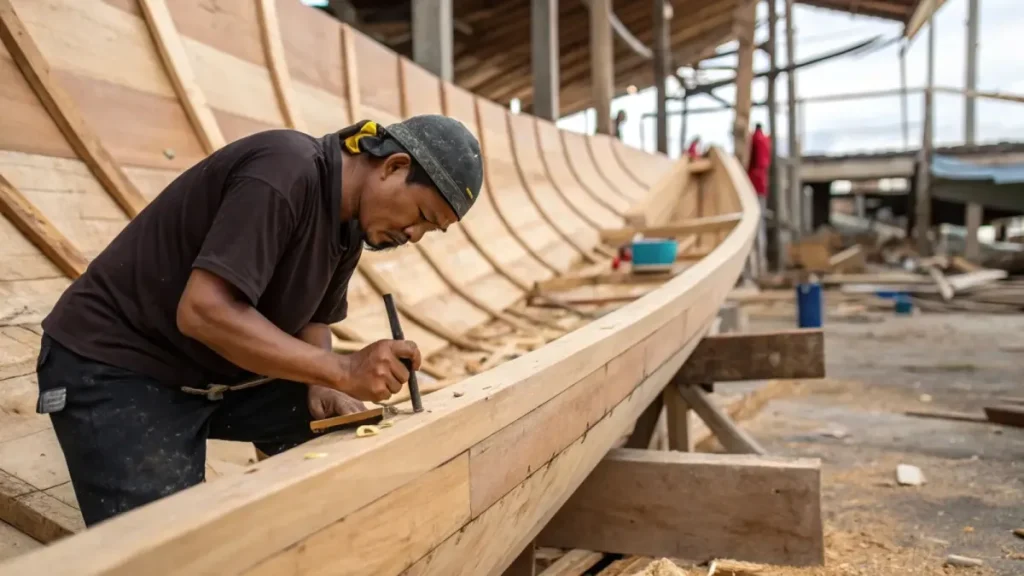
The air on the beach at Tana Beru hangs thick and sweet with the scent of clove cigarettes, salt, and freshly sawn timber. Before me, the skeleton of a 40-meter vessel rises from the white sand, its ironwood ribs arcing towards the sky like a cathedral. There is no dry dock, no heavy machinery, only the rhythmic thwack of adzes shaping wood and the collective strength of men who have inherited their craft through generations. This is the crucible of the phinisi, a place where the soul of a ship is forged long before its engine ever turns over. As an editor who has stepped aboard the world’s most exclusive yachts, I can tell you that none possess the profound sense of history and artistry as these hand-built Indonesian schooners.
The Soul of the Archipelago: Understanding the Phinisi’s UNESCO Heritage
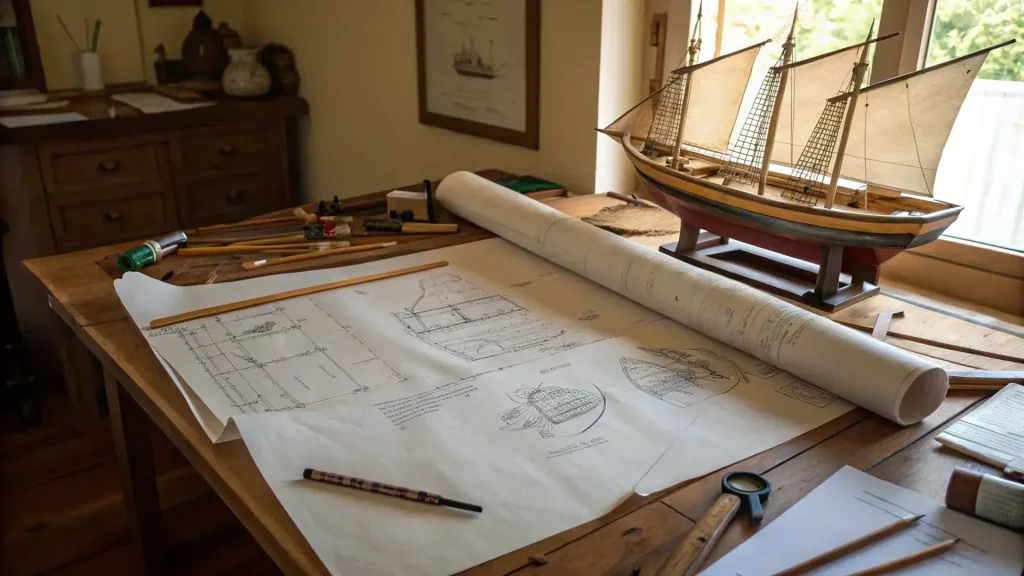
Before one can identify the best builders, one must first understand the vessel itself. The phinisi is not merely a boat; it is a living cultural artifact. In 2017, the art of phinisi boatbuilding in South Sulawesi was inscribed on the UNESCO Representative List of the Intangible Cultural Heritage of Humanity. This recognition was not for the two-masted sailing rig—a gaff-ketch configuration seen worldwide—but for the specific, ritual-infused construction method of the Konjo people from the villages of Ara, Tana Beru, and Bira. They build their hulls entirely by eye, without formal blueprints, in a shell-first sequence that defies modern naval architecture. The planks are fitted first, and only then are the internal frames inserted. This ancient technique, passed down orally for hundreds of years, produces a vessel of extraordinary strength and seaworthiness. The process is steeped in tradition, from the keel-laying ceremony, which must occur on an auspicious day, to the final offerings made to the sea upon launch. A prospective owner isn’t just commissioning a yacht; they are becoming a patron of a protected art form. This heritage is the core value proposition, and the finest builders are those who honor it while integrating the demands of the 21st-century charter market.
The Sulawesi Heartland: Where Tradition Meets Timber
The search for the most authentic phinisi construction begins and ends in the Bulukumba Regency of South Sulawesi. Here, along the coastline, generations of the same families continue the craft. A master builder, a man often known simply as punggawa, orchestrates the entire process. I once spent an afternoon with a revered punggawa named Haji Rahman, who explained that the selection of timber is the most critical decision. The keel is almost exclusively carved from a single piece of kayu ulin, or Bornean ironwood, a timber so dense (up to 1.1 g/cm³) it barely floats. This wood is legendary for its resistance to marine borers and rot, with some ironwood beams in local structures lasting over 100 years. The hull planks and superstructure are typically made from high-grade teak (jati), sourced from Sulawesi or Java. The challenge for any modern custom phinisi yacht construction project is bridging this raw, intuitive tradition with the precision required for international safety standards. The best builders here now work with liaison project managers who translate the owner’s technical requirements—from engine bed specifications to bulkhead placements for watertight integrity—into instructions the local craftsmen can execute without compromising their time-honored methods. A 50-meter hull built on the sands of Tana Beru can cost upwards of $800,000 in timber and labor alone before a single wire or pipe is installed.
Bali’s Finishing School: The Epicenter of Luxury Outfitting
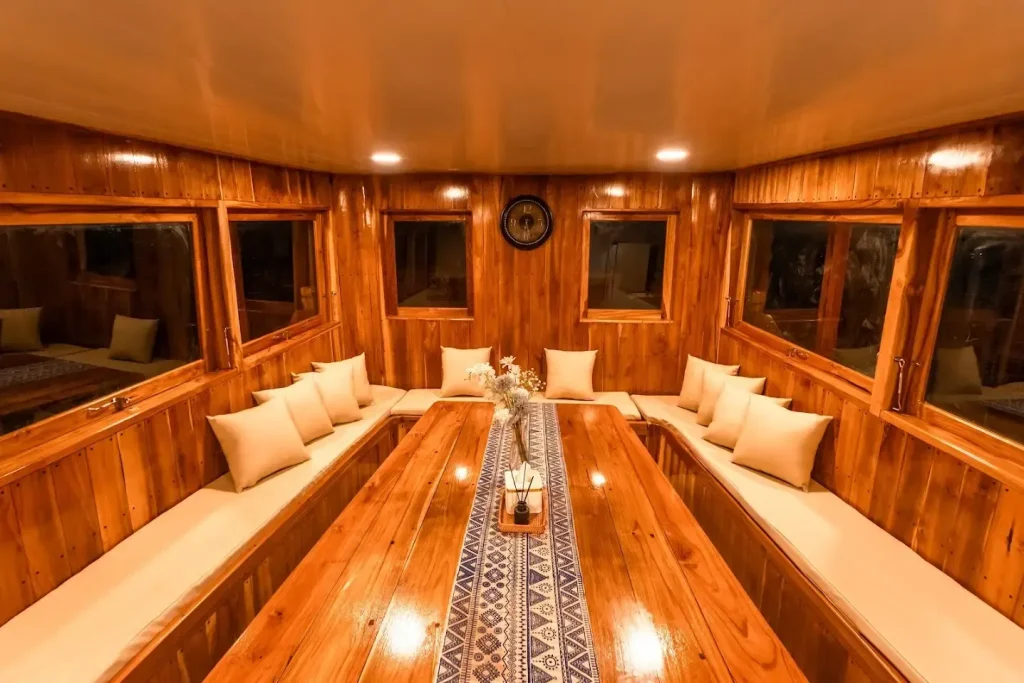
While the soul of a phinisi is born in Sulawesi, its modern identity as a luxury charter vessel is crafted in Bali. The typical high-end build process is bifurcated: once the wooden hull and superstructure are complete, the raw vessel is towed over 400 nautical miles across the Flores Sea to a finishing yard in Bali or, occasionally, Batam. This is where the world of ancient craft meets the world of marine-grade stainless steel, complex electrical systems, and superyacht aesthetics. Bali has cultivated a remarkable ecosystem of talent, including Western-trained naval architects, marine engineers, and interior designers who specialize in phinisis. I’ve seen teams led by French naval architects and Italian interior designers working on-site, overseeing the installation of everything from Bauer dive compressors and Idromar watermakers to multi-zone air conditioning and sophisticated Furuno navigation suites. This phase can take an additional 12 to 18 months and often costs more than the initial hull construction. The island’s renowned community of artisans also plays a crucial role, producing custom furniture, hand-carved panels, and intricate brass fittings that give each vessel its unique character. This hybrid model is what defines the work of the best phinisi builders in indonesia today: a seamless fusion of Sulawesi’s heritage with Bali’s technical and aesthetic refinement.
Vetting the Yard: Key Questions for a Prospective Owner
Commissioning a multi-million dollar phinisi is an exercise in trust and due diligence. The industry, while rich in talent, can be opaque. As a prospective owner, your primary task is to vet the builder and their supporting team rigorously. Forget glossy brochures; demand evidence. Start by asking for a portfolio of their last three completed vessels and, crucially, for introductions to the owners of those boats. A candid conversation with a previous client is worth more than any sales pitch. Inquire about their project management methodology. Do they provide detailed weekly progress reports with photos? Do they use modern tools like Gantt charts to manage timelines? A top-tier boat builder indonesia will operate with complete transparency. Another critical line of questioning concerns classification and safety standards. While few phinisis are built to a formal class like Lloyd’s or RINA due to the unique construction, they must comply with Indonesian maritime law (BKI) and often aim for standards that satisfy international charter insurers. Ask the builder about their experience with stability testing, fire suppression systems, and SOLAS requirements. Finally, probe their timber sourcing. Reputable builders can provide SVLK (Sistem Verifikasi Legalitas Kayu) certification, ensuring their wood is legally and, ideally, sustainably harvested. A proper marine survey conducted at three key stages—keel-laying, hull completion, and pre-launch—can add 1-2% to the total budget but can save you from 20% in costly retrofits and long-term problems.
Case Study: The Journey of a World-Class Charter Phinisi
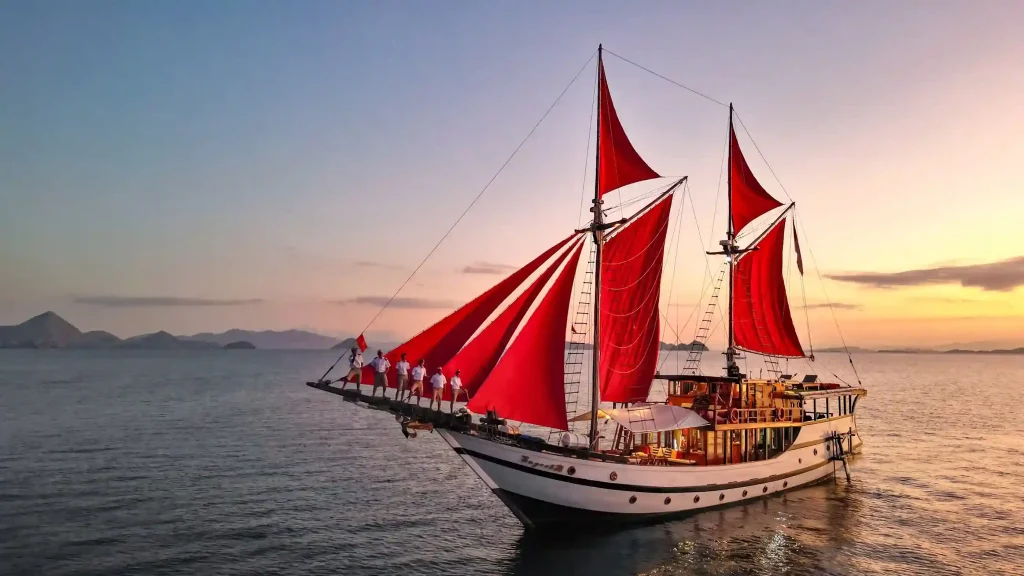
To understand the process, consider the path of a vessel in the vein of the globally recognized phinisis like Prana by Atzaró or Amandira. The journey often begins with a client’s highly specific vision—perhaps a floating wellness retreat with a dedicated yoga deck and spa, or a serious dive expedition vessel capable of supporting technical diving in remote areas like Raja Ampat. This vision is translated into a comprehensive design brief by a Bali-based design firm. The project manager then selects a specific punggawa and his team in Sulawesi, chosen for their track record with vessels of a similar size and complexity. The 12-month hull construction is a careful dance between tradition and technical oversight. While the Konjo team shapes the hull, the project manager ensures that apertures for stabilizers, bow thrusters, and engine shafts are precisely located. Upon its ceremonial launch in Sulawesi, the bare hull is then carefully motored or towed to Bali. There, a team of 100 or more skilled technicians descends upon it. The engine room is fitted with twin Yanmar diesels, multiple generators, and advanced bilge systems. Electricians run kilometers of marine-grade cable. Carpenters and designers, perhaps from Europe or Australia, work to create interiors that rival a five-star hotel, complete with bespoke furnishings and en-suite bathrooms. The result is a vessel that not only sails through the pristine waters of destinations featured on indonesia.travel but also commands a charter fee of $15,000 to $20,000 per night. This level of execution is the hallmark of a premier boat builder indonesia.
Quick FAQ: Building Your Indonesian Schooner
nuances of phinisi construction involves many questions. I’ve compiled answers to some of the most common queries I hear from prospective owners and charter investors.
How long does it take to build a luxury phinisi?
For a high-specification vessel between 40 and 55 meters, the total timeline from the first design sketch to final delivery is typically between 24 and 36 months. The initial hull construction in Sulawesi takes around 12-15 months, with the remaining time dedicated to technical and interior outfitting in a dedicated finishing yard.
What are the best woods to use for construction?
The gold standard is a combination of two tropical hardwoods. The keel, frames, and key structural elements are made from Bornean Ironwood (Ulin) for its incredible density and resistance to the marine environment. The hull planking, decks, and superstructure are crafted from high-grade, legally sourced Teak (Jati), prized for its beauty, stability, and natural oils that repel water.
Is it better to build entirely in Sulawesi or Bali?
The most successful and highest-quality projects utilize a hybrid approach, which is the signature of the best phinisi builders in indonesia. The authentic, traditional hull construction is best left to the master craftsmen in Tana Beru or Bira. However, the complex technical systems and luxury interior finishing are far more efficiently and reliably executed in the specialized yards of Bali, which have the necessary infrastructure and access to international talent and supply chains. Attempting to do the high-tech finishing in a remote Sulawesi village is a common but costly mistake.
The decision to build a phinisi is a commitment to creating more than just a boat. It is an investment in a piece of living history, a floating masterpiece that carries the spirit of the Indonesian archipelago in its very timbers. The path from a dream sketched on a napkin to a magnificent vessel sailing through Komodo National Park is complex and demanding, requiring deep local knowledge and uncompromising standards. Navigating this process requires a partner with deep roots and a clear vision. To connect with the best phinisi builders in indonesia and begin your own legacy project, you need a guide who can bridge the worlds of ancient craftsmanship and modern expectations. A specialized network that vets and manages these unique projects is not just a convenience; it’s an absolute necessity. For those ready to begin this remarkable undertaking, we recommend exploring the vetted network and expertise available through a dedicated service like Boat Builder Indonesia: Custom Phinisi Yacht Construction.