Safety Innovations in Boat Design for 2027
4 min read
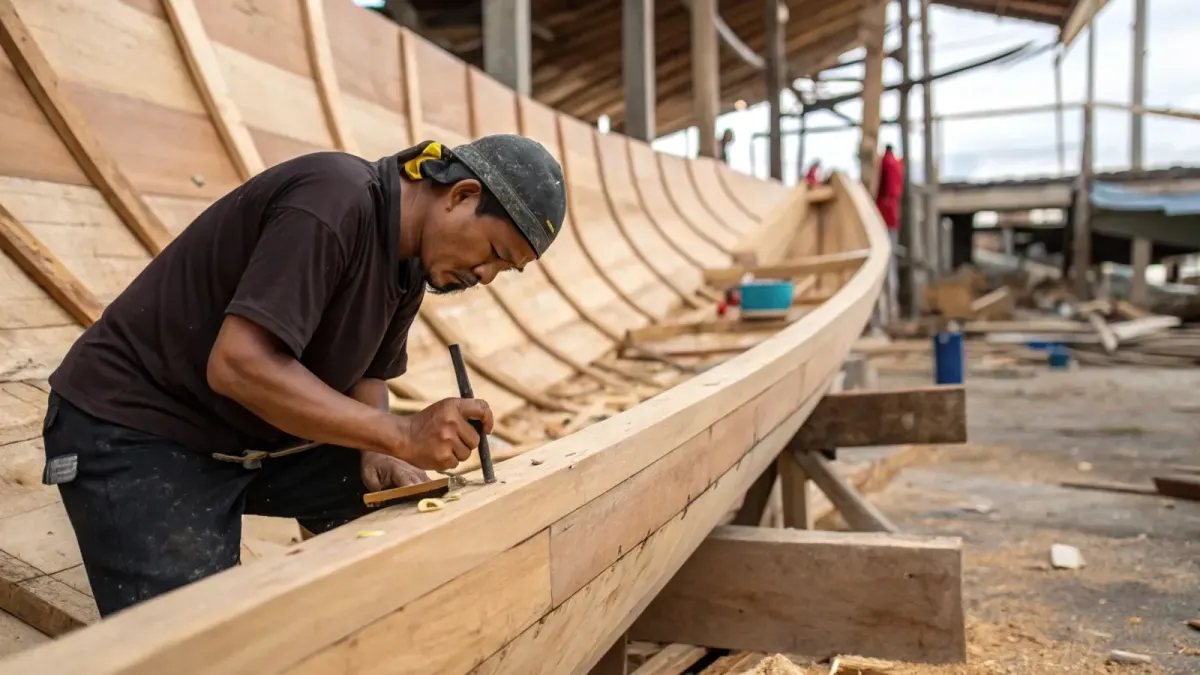
The marine industry is embracing advanced boat safety innovations in 2027, enhancing protective design and integrating marine safety technology to protect passengers and crew effectively.
Boat Safety Innovations 2027
The landscape of boat safety in 2027 is undergoing a remarkable transformation. With the advent of new technologies and design philosophies, the focus has shifted towards creating safer and more reliable vessels. This shift is driven by a combination of regulatory pressure, consumer demand, and technological advancements. The goal is to integrate safety features that not only comply with regulations but also exceed them, providing peace of mind to all who navigate the waters. In Europe, for example, the European Maritime Safety Agency has been advocating for stricter safety standards, encouraging manufacturers to adopt innovative solutions. Meanwhile, in the United States, the Coast Guard has issued new guidelines emphasizing the need for advanced safety features.
Marine Safety Technology
Marine safety technology is at the forefront of these innovations. Advanced sensors and artificial intelligence systems are now standard in many new boat designs. These technologies offer real-time data that can alert operators to potential hazards, such as oncoming vessels, changing weather conditions, or obstacles in the water. By providing timely alerts, these systems enhance situational awareness and decision-making, significantly reducing the risk of accidents. In Asia, particularly in countries like Japan and South Korea, the integration of AI in marine navigation systems has been a key focus, with AI-powered systems capable of predicting potential collision courses and suggesting evasive actions.
Protective Design Features
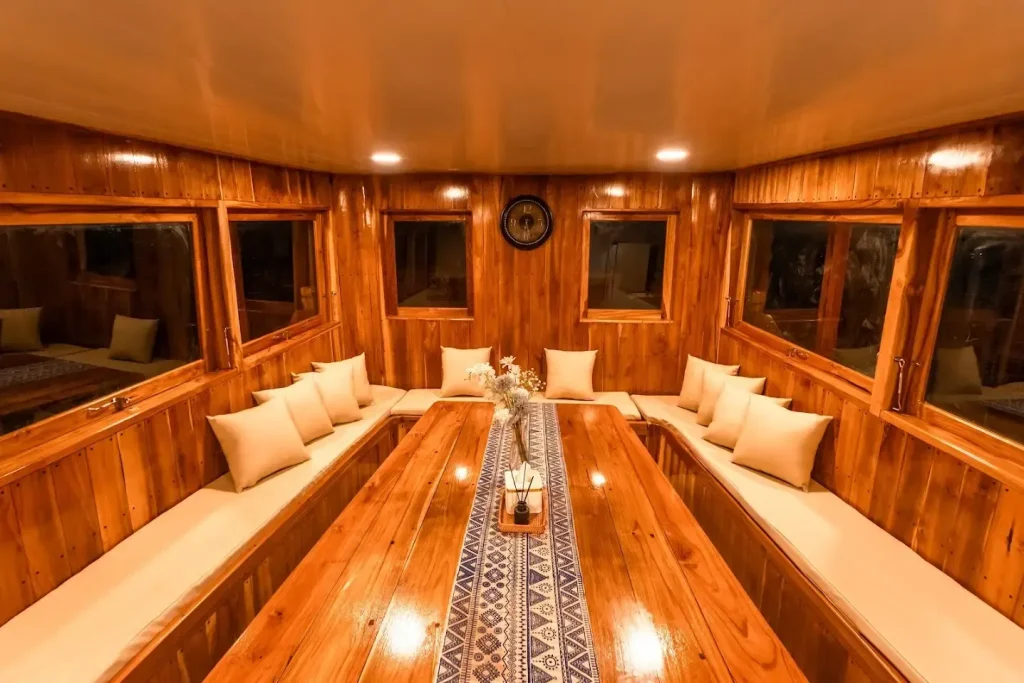
Protective design has also seen substantial improvements. Modern boats are being constructed with materials that are not only stronger but also lighter, improving overall stability and performance. Hull designs are being optimized to distribute impact forces more effectively, reducing the likelihood of structural damage in the event of a collision. For instance, the use of carbon fibre composites, which are five times stronger than steel yet significantly lighter, is becoming prevalent. Moreover, innovative designs in seating and cabin layouts are prioritising passenger safety and comfort. In Scandinavia, boat builders are experimenting with modular seating systems that can be reconfigured to provide additional protection during rough seas.
2027 Note
As of 2027, the integration of these safety innovations is becoming increasingly standard in the boat building industry. Boat builders are continuously exploring new ways to enhance safety through technology and design. These efforts are crucial in ensuring the safety of everyone on board, whether for leisure or commercial purposes. In Australia, for example, local regulations now require commercial vessels to be equipped with automated distress signal systems, reflecting the global trend towards heightened safety standards.
Advanced Safety Systems
One of the key advancements is the implementation of automated distress signals. These systems can automatically contact emergency services if they detect critical situations, such as capsizing or sinking. Furthermore, the use of enhanced GPS systems allows for better tracking and coordination with rescue operations, ensuring faster response times. In Canada, the implementation of these systems has led to a 20% reduction in response times for maritime emergencies. Additionally, real-time hazard detection systems, which employ radar and sonar technologies, can identify potential threats up to 10 nautical miles away, giving operators ample time to react.
- Real-time hazard detection systems
- Automated distress signals
- Advanced GPS tracking
- Impact-resistant hull materials
- Ergonomic seating for passenger safety
For more insights into the latest innovations and designs, visit our dedicated safety page.
Environmental Considerations in Boat Safety
Environmental factors are also playing a significant role in shaping boat safety innovations. As climate change continues to impact weather patterns, boats are being designed to withstand more extreme conditions. Reinforced structures and enhanced stability systems are crucial in navigating tumultuous waters safely. Additionally, sustainable materials are being used to reduce the environmental impact of manufacturing and operation, aligning with global efforts to protect marine ecosystems. In the Pacific Islands, where rising sea levels pose a significant threat, boats are being designed with higher freeboards to prevent swamping.
| Innovation | Benefit |
|---|---|
| Automated Distress Signals | Faster emergency response |
| Impact-resistant Materials | Improved structural integrity |
| Enhanced GPS Systems | Better navigation and tracking |
For further details on how these technologies are being implemented, explore our comprehensive guide on boat building innovations.
FAQ
What safety innovations are being incorporated into boat designs?
In 2027, boat designs incorporate advanced safety features such as real-time hazard detection systems, automated distress signals, and impact-resistant materials, enhancing overall safety and reliability. These innovations are being adopted worldwide, from the Mediterranean to the Caribbean, ensuring a safer boating experience regardless of the location.
How do modern boat designs improve passenger safety?
Modern designs improve passenger safety through ergonomic seating, optimized cabin layouts, and enhanced stability systems, prioritizing both comfort and protection. In regions prone to rough seas, such as the North Atlantic, these design improvements are particularly critical, offering passengers a safer and more comfortable journey.
Why is marine safety technology crucial in 2027?
Marine safety technology is crucial as it provides real-time data and alerts, improving situational awareness and decision-making, thus significantly reducing the risk of accidents. With the increase in global maritime traffic, these technologies are essential for maintaining safety standards and preventing collisions, especially in busy shipping lanes like the Strait of Malacca and the Panama Canal.