Our Proven Methodology for Phinisi Construction
Building a luxury Phinisi yacht is a complex symphony of ancient craftsmanship, modern engineering, and meticulous project management. Our methodology is designed to de-risk the process for our B2B clients, ensuring transparency, quality control, and adherence to schedule and budget from conception to delivery. This structured approach is how we consistently deliver vessels that are both magnificent works of art and reliable, commercially viable assets. This process is the foundation of our work as the premier boat builder in Indonesia.
Phase 1: Discovery, Consultation & Naval Architecture (Months 1-3)
Every great vessel begins with a clear vision. This phase is the most collaborative, as we work to translate your operational and aesthetic goals into a comprehensive technical and financial plan.
- Client Vision Workshop: We define the vessel’s purpose (private use, charter), target capacity, operational range (e.g., Komodo, Raja Ampat), and desired level of luxury.
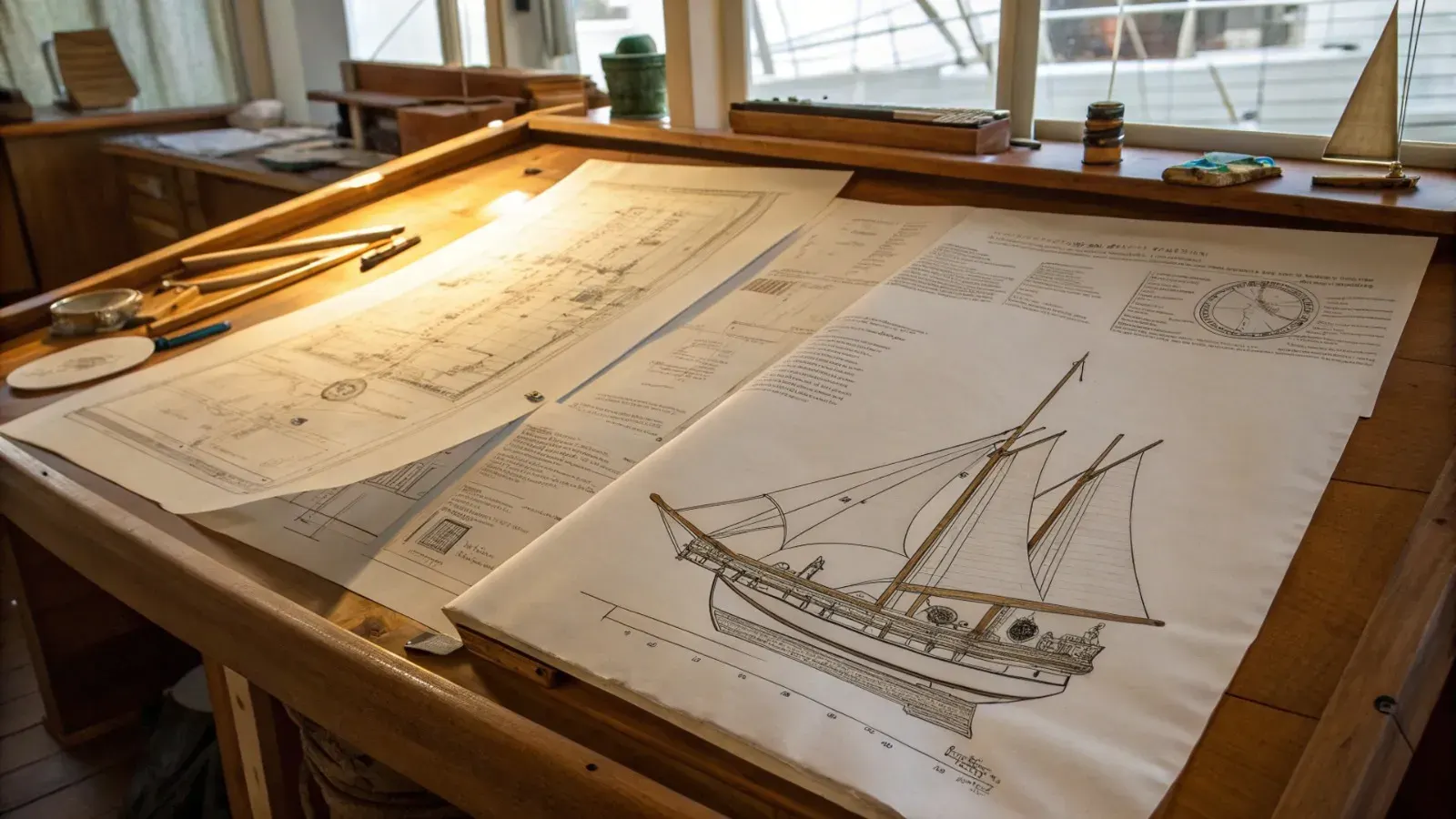
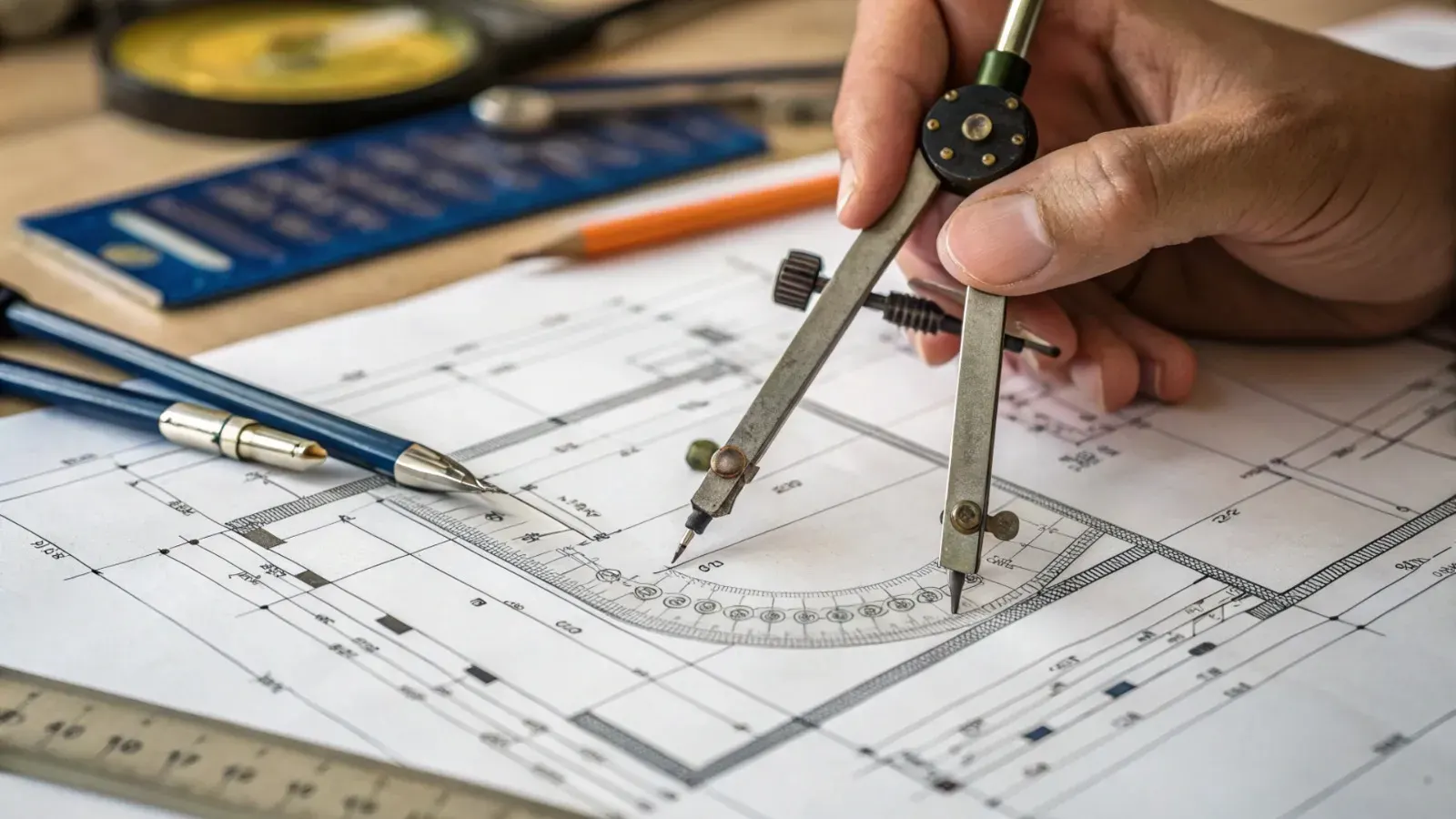
- Concept Design & General Arrangement (GA): Our naval architects, led by experts from our team, develop initial sketches and a detailed GA, outlining the layout of all decks, cabins, and operational spaces.
- Technical Specification & Budgeting: We produce a detailed document specifying all major components—from the type of wood and engine manufacturer to the brand of watermakers and navigation systems. This forms the basis for a transparent, line-item budget.
- Contracting & Legal: A comprehensive shipbuilding contract is drafted, outlining key milestones, payment schedules, and delivery terms, all managed by our in-house legal counsel.
Phase 2: Material Sourcing & Hull Construction (Months 4-12)
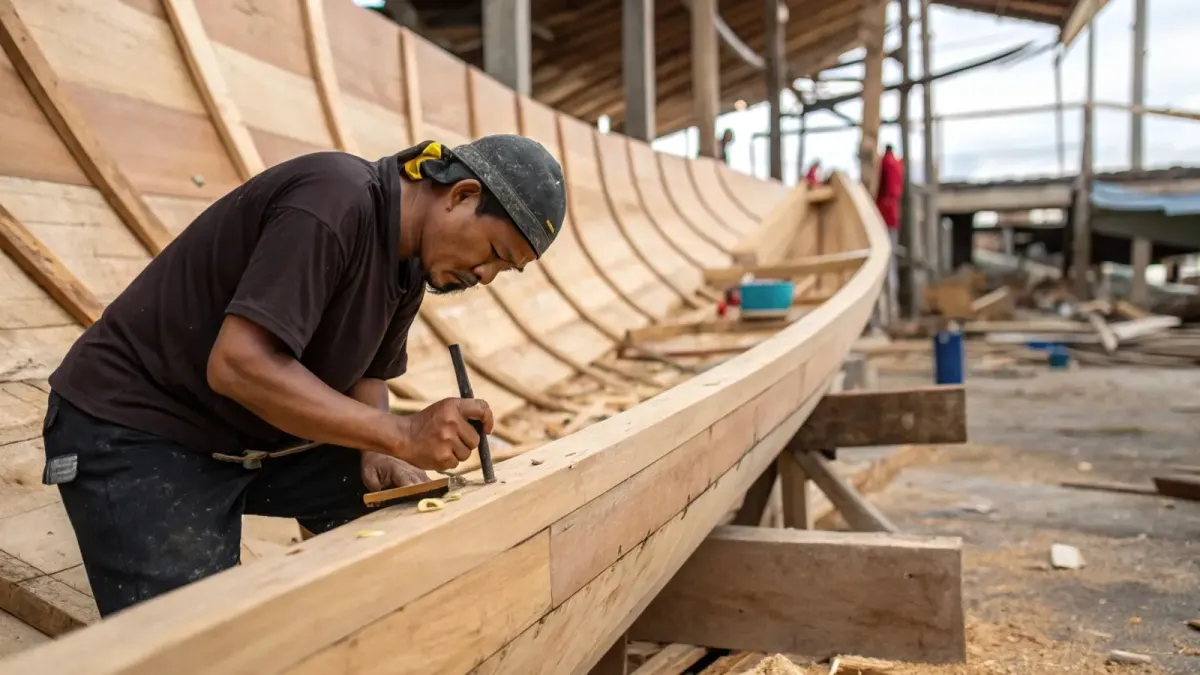
This is where tradition takes center stage. The soul of the vessel is formed by the hands of our master craftsmen.
- Timber Selection & Verification: We source only the highest-grade, legally certified (SVLK) Ulin (Ironwood) for the keel and hull, and Teak for the superstructure and decking. Each batch of timber is evaluated based on our internal rubric:
- Grain Density: Score 1-5 (5 being highest)
- Moisture Content: Measured and must be below 18%
- Absence of Knots/Defects: Score 1-5
- SVLK Certification: Pass/Fail
Phase 3: Superstructure & Systems Integration (Months 13-20)
With the hull complete, modern engineering and technology are seamlessly integrated.
- Superstructure Framing: The upper decks, cabins, and wheelhouse are framed according to the detailed CAD drawings produced in Phase 1.
- Engine & Drivetrain Installation: The engine beds are prepared, and the main engines, gearboxes, and propeller shafts are installed and aligned with laser precision.
- MEP (Mechanical, Electrical, Plumbing) Rough-in: Our certified technicians install all wiring, plumbing, HVAC ducting, and hydraulic lines, following detailed schematics for ease of future maintenance.
- Partner Audits: We conduct regular site visits and quality audits of our key suppliers for engines, generators, and electronics to ensure their products meet our exacting standards.
Phase 4: Interior Finishing, Sea Trials & Classification (Months 21-24)
The final stage focuses on luxury appointments and rigorous testing to ensure flawless performance and safety.
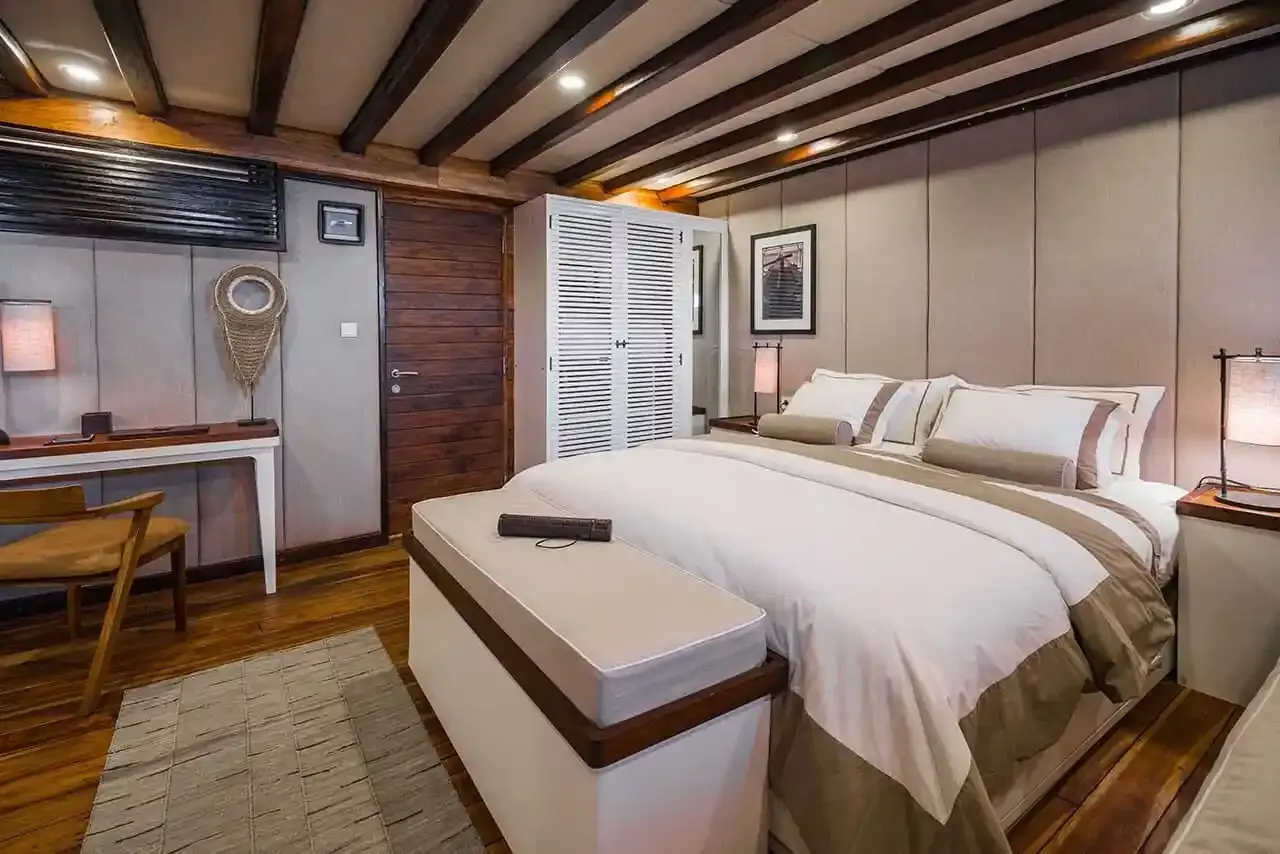
- Luxury Interior Outfitting: Cabinetry, flooring, lighting, and all interior furnishings are installed by our specialist finishing teams.
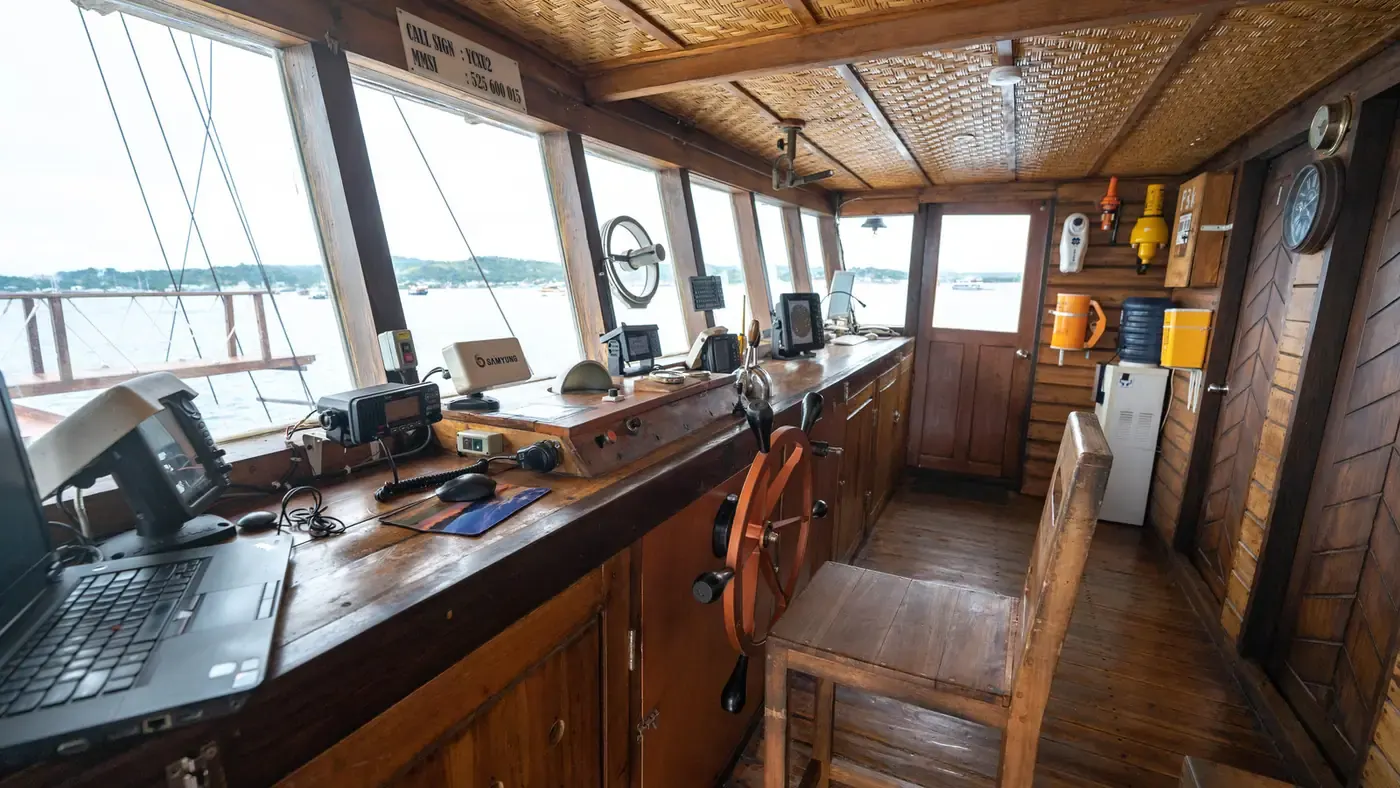
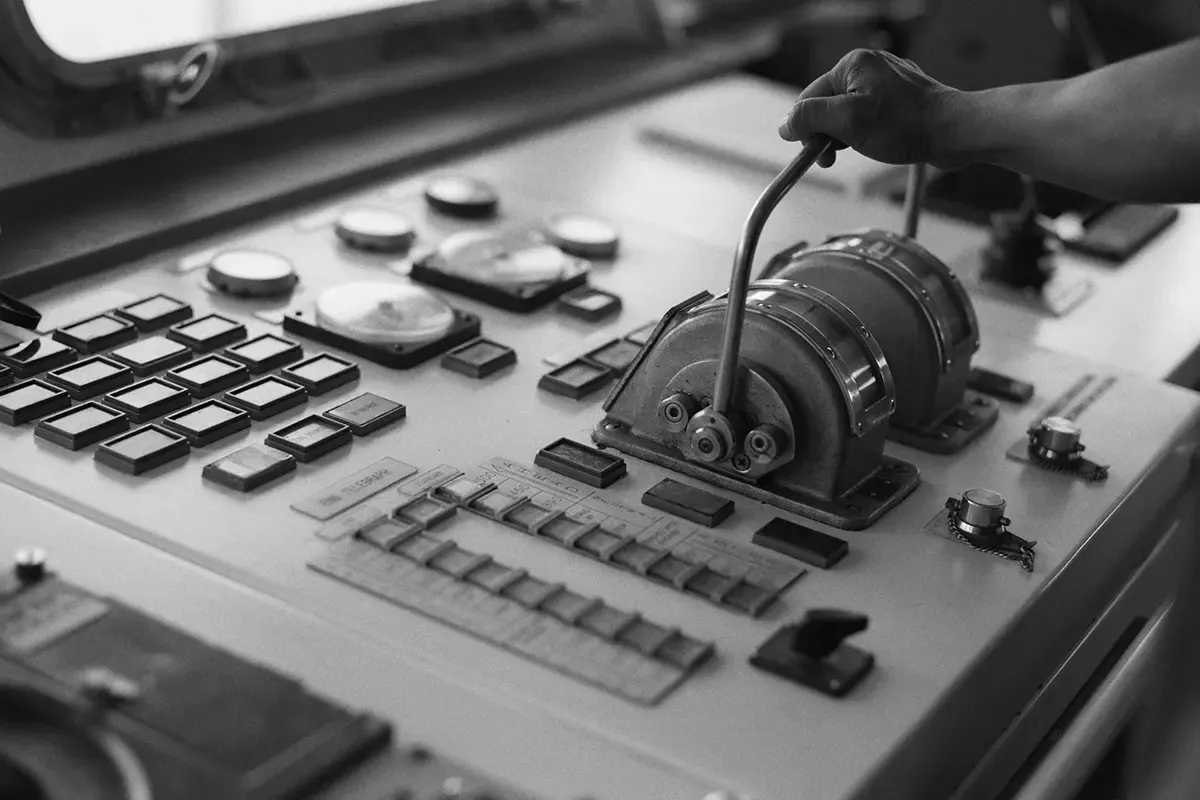
- Systems Commissioning: Every system—from the navigation suite in the wheelhouse to the galley equipment—is powered up, tested, and calibrated.
- Sea Trials: The vessel is launched and undergoes a comprehensive series of sea trials to test its stability, maneuverability, speed, and endurance. We follow a strict checklist that includes emergency stop tests, turning circles, and a 24-hour continuous run of the engines and generators.
- BKI Classification Survey: Surveyors from the Biro Klasifikasi Indonesia (BKI) conduct a final inspection of the vessel to ensure it meets all national safety and construction standards, culminating in the issuance of its classification certificate.
Our methodology is trustworthy because it is a proven, transparent, and quality-controlled process that respects tradition while embracing the best of modern technology. It is how we turn a client’s vision into a world-class Indonesian Phinisi yacht.
Continue exploring Boat Builder Indonesia:
Our Boat Builder Indonesia Service ·
Meet Our Team ·
Editorial Standards ·
Methodology ·
Sustainability ·
Safety & Compliance
Detailed design and engineering: bringing the vision to life
The scent of ironwood and teak fills the air, a symphony of hammers and saws echoing across the Sulawesi coastline, but before the first plank is laid, the vessel’s soul takes shape on the drawing board. Following the initial client vision, our naval architects and marine engineers an intensive phase of detailed design. This involves translating every aesthetic desire and operational requirement into precise technical specifications. State-of-the-art 3D modeling software is employed to visualize the yacht from every angle, ensuring optimal space utilization, structural integrity, and ergonomic flow, while still honoring the timeless lines of the traditional Phinisi.
This meticulous stage encompasses everything from the hull’s hydrodynamics, designed for stability and efficient passage through the Indonesian archipelago’s diverse waters, to the intricate layout of mechanical, electrical, and plumbing systems. We select only the highest-grade marine components and specify materials that blend durability with luxury, ensuring the vessel meets not only international safety standards but also the discerning expectations of our clients. Every detail, from the placement of navigation systems to the integration of advanced climate control and entertainment setups, is planned to perfection, creating a seamless blend of ancient shipbuilding wisdom and cutting-edge marine technology, a hallmark of a premier boat builder in Indonesia.
Master craftsmanship and the heart of the build
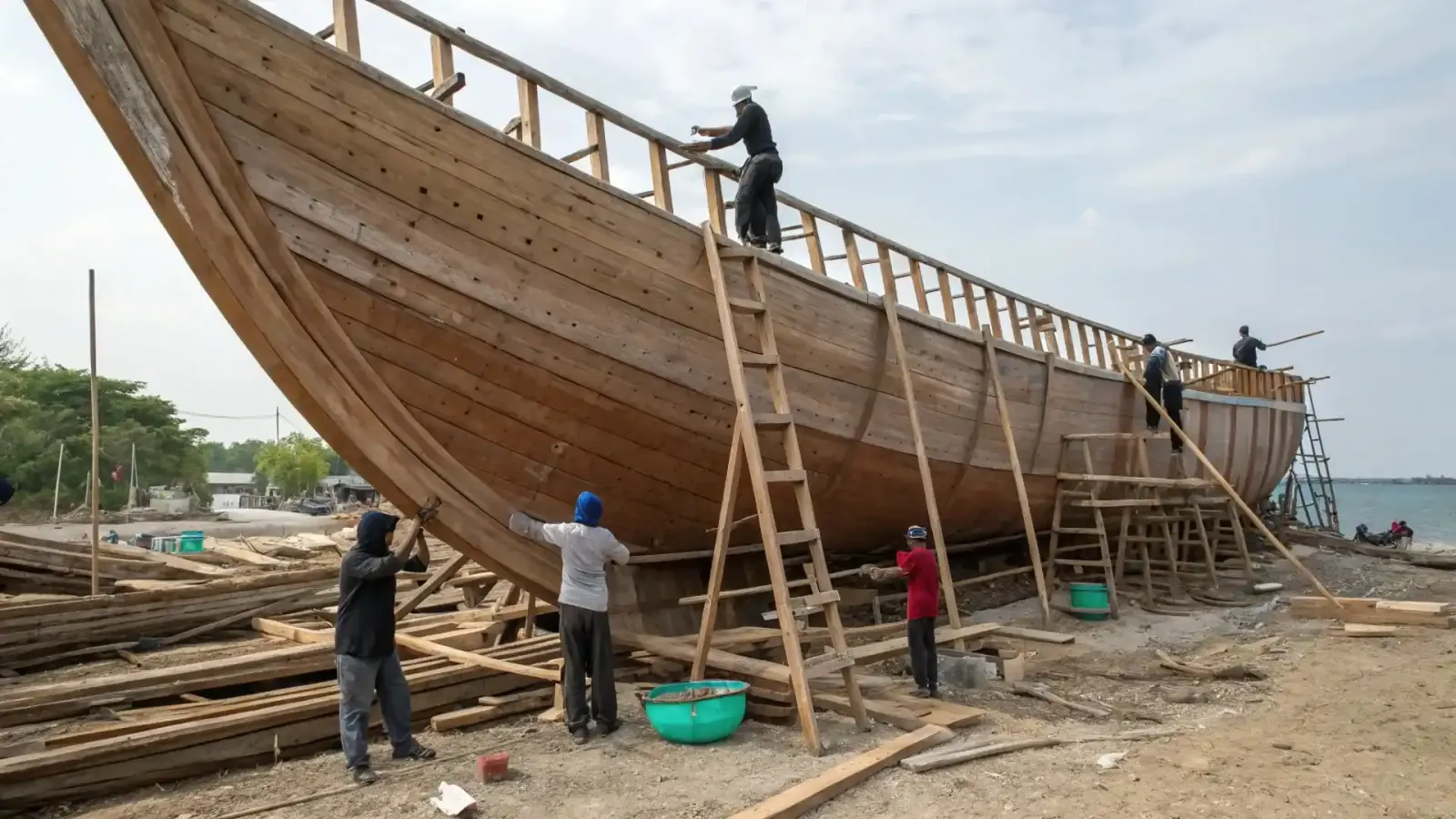
With the designs finalized, the vessel transitions from blueprint to reality in our dedicated shipyards, primarily along the shores of South Sulawesi. Here, generations of Bugis and Konjo master craftsmen, whose knowledge of the sea and timber is practically genetic, bring the Phinisi to life. The process begins with the careful selection and shaping of timber – predominantly sturdy ironwood (ulin) for the keel and frames, and resilient teak for planking, decking, and interior finishes. We meticulously source our timber, adhering to sustainable forestry practices where possible, ensuring the longevity and environmental integrity of each build.
The construction of a Phinisi hull is a remarkable feat of traditional engineering. Without relying on complex jigs or molds, the craftsmen intuitively shape the massive timbers, guided by experience and a profound understanding of natural curves. The keel is laid, followed by the ribs, meticulously joined using time-honored techniques like mortise and tenon, often secured with wooden dowels or bronze fastenings. A Phinisi hull can take upwards of 12-18 months to construct by a dedicated team of 50-70 skilled artisans, utilizing thousands of cubic meters of sustainably sourced timber. This intricate, hands-on methodology, recognized by UNESCO as an Intangible Cultural Heritage of Humanity (unesco.org), ensures that each yacht possesses a unique character and an connection to its Indonesian heritage.
Luxury outfitting, systems integration, and the maiden voyage
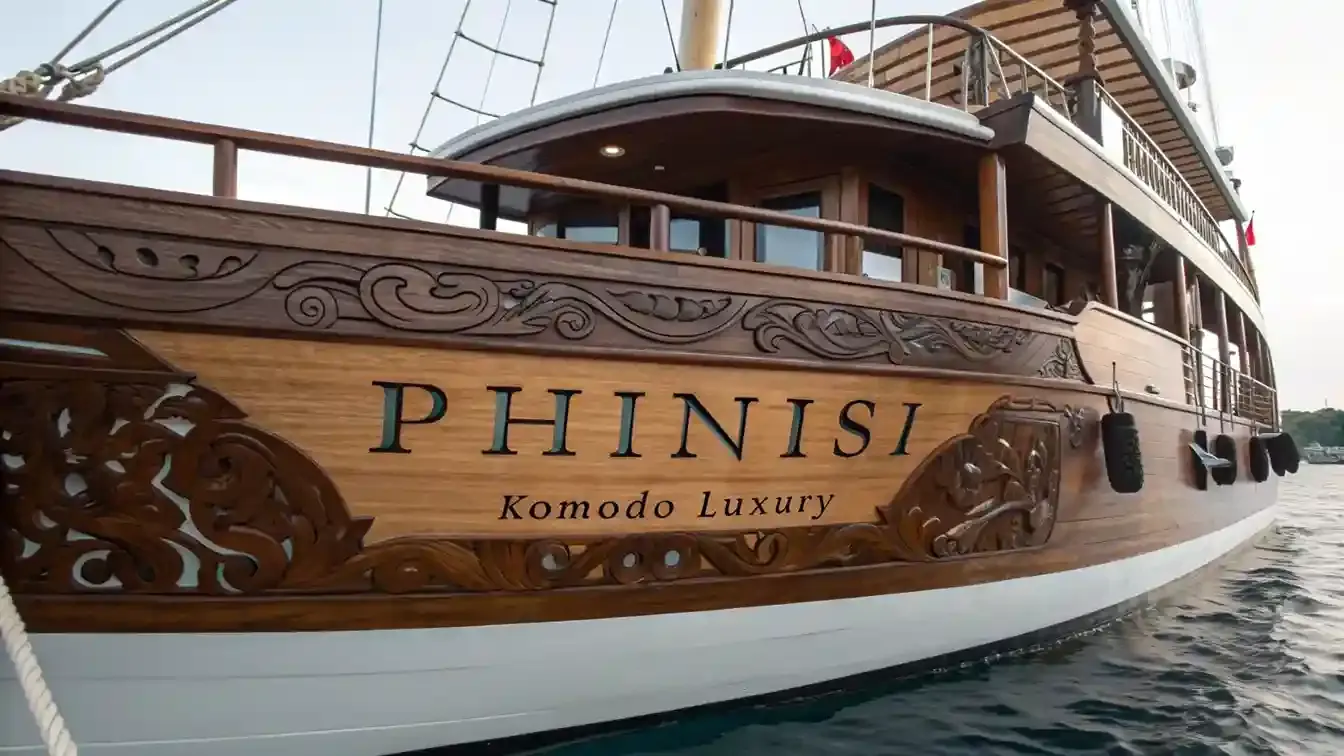
Once the robust hull is complete, the focus shifts to transforming the raw structure into a lavish floating sanctuary. This phase involves the intricate installation of bespoke interiors, from hand-carved panels and custom cabinetry to state-of-the-art galley equipment and sumptuous staterooms. Our interior design team collaborates closely with clients to curate every finish, fabric, and fixture, ensuring the yacht reflects their personal style while maintaining the highest standards of luxury and comfort. Simultaneously, all propulsion, electrical, navigation, communication, and safety systems are meticulously integrated, tested, and calibrated by specialist engineers.
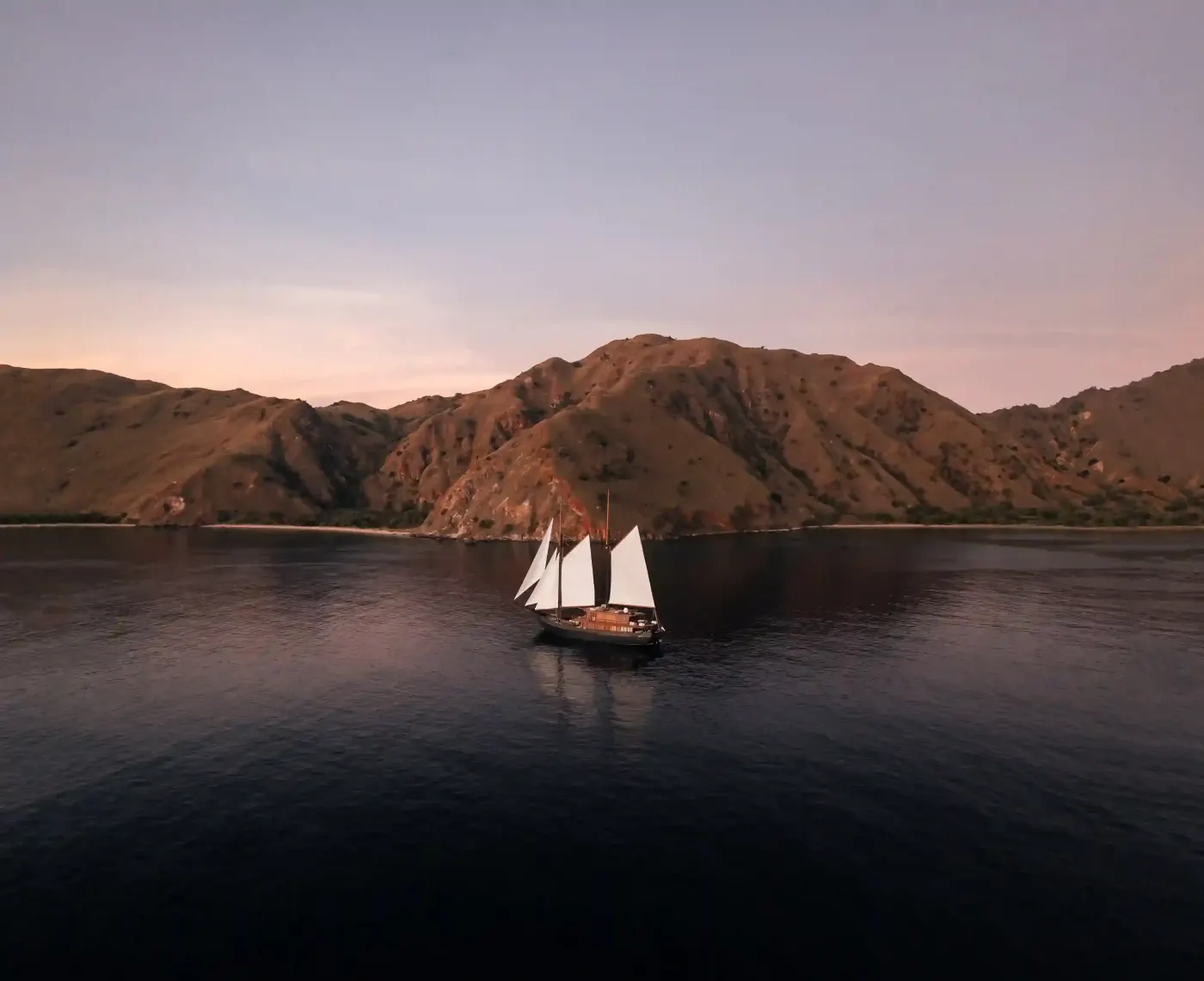
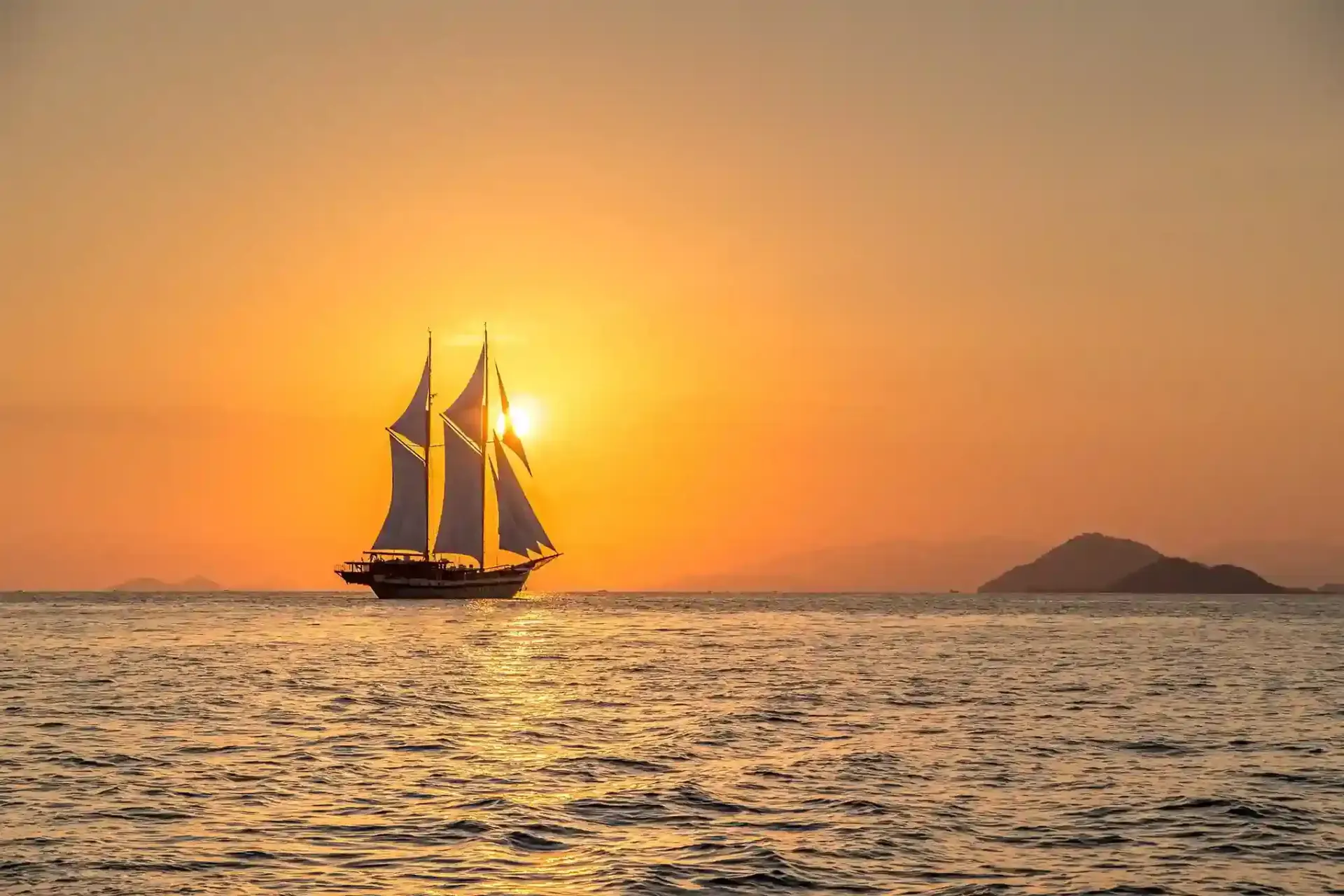
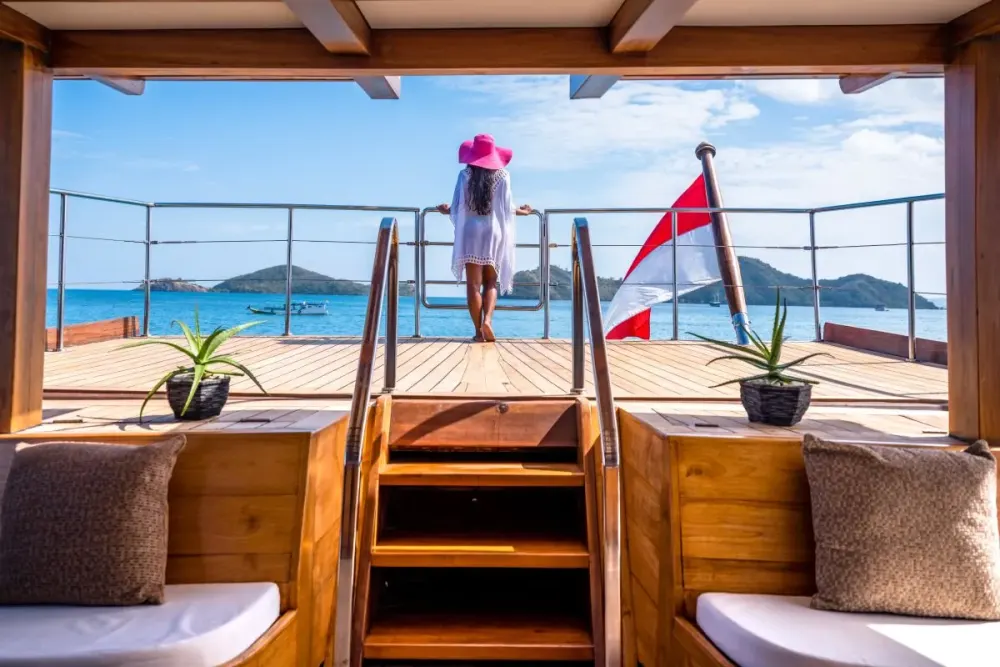
The rigging of the majestic sails, whether traditional gaff or a modern Bermuda rig, marks a significant milestone, symbolizing the vessel’s readiness to harness the wind. Before delivery, each Phinisi undergoes rigorous sea trials in the open waters surrounding Indonesia. These trials test every system, from engine performance and maneuverability to stability and safety protocols, often covering hundreds of nautical miles. Our Phinisi yachts are typically capable of cruising at 8-10 knots under engine power and potentially reaching 12-14 knots under sail in favorable conditions, with a typical range exceeding 2,000 nautical miles, allowing for extensive exploration of remote islands and vibrant marine ecosystems. This final, comprehensive testing ensures that when the yacht is delivered, it is not merely a vessel, but a fully operational, exquisitely appointed platform ready for adventures across the world’s most captivating archipelagos.