The Best Time to Sail Komodo on Your Indonesian-Built Yacht
9 min read
- Peak Conditions: June to September offers the most stable weather with minimal rain.
- Marine Life: Manta ray sightings are frequent year-round but peak from December to March.
- Fewer Crowds: The shoulder months of April-May and September-October provide a superb balance of good weather and fewer vessels.
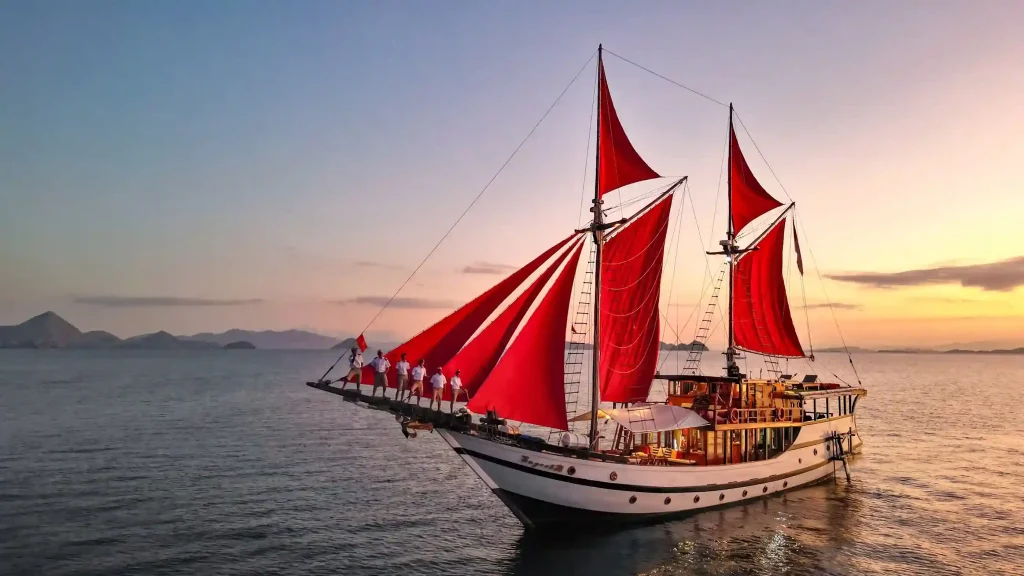
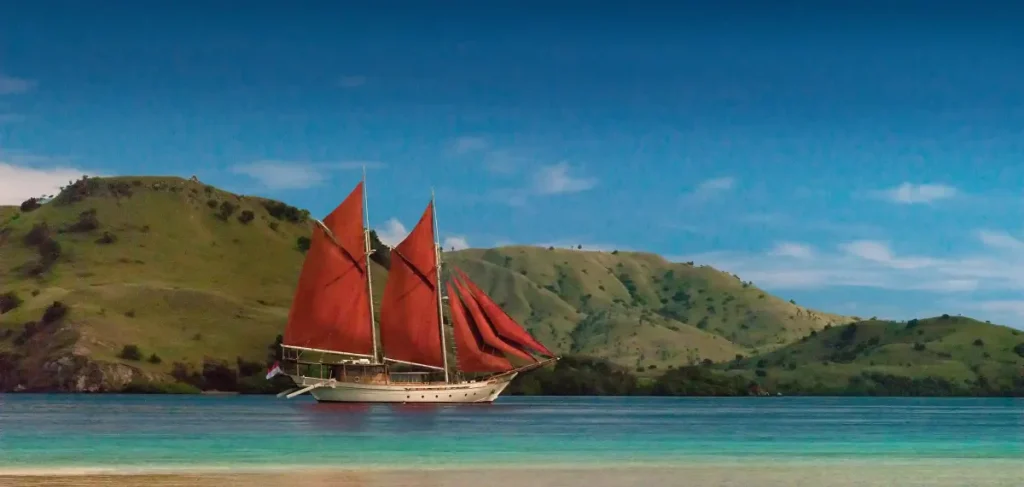
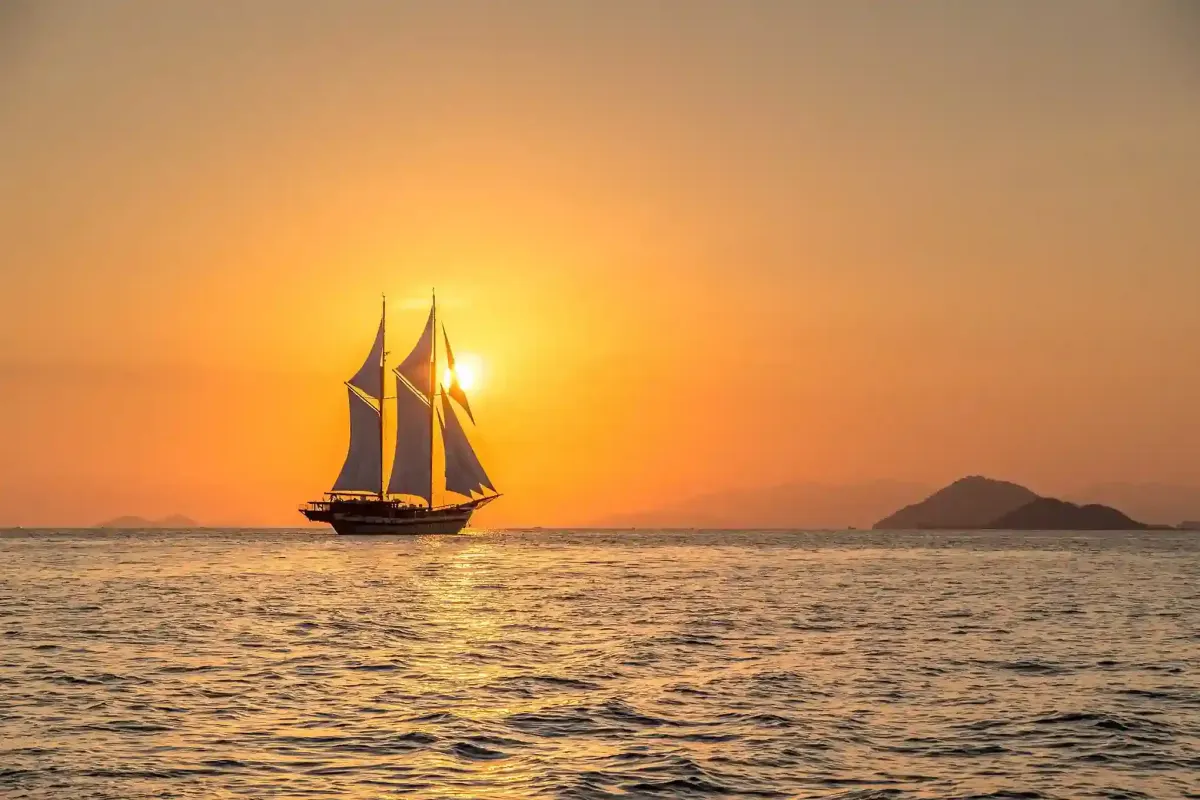
The teak deck is warm underfoot, the morning sun already asserting its authority over the Flores Sea. Aboard our phinisi, the air is a heady mix of fresh-brewed Sumatran coffee, clove, and the clean scent of sea salt. The rhythmic creak of the ironwood hull is a constant, reassuring companion as we glide through turquoise water, a string of jagged, savanna-clad islands punctuating the horizon. This is the living, breathing reality of a Komodo charter, an experience magnified tenfold by the vessel itself—a masterpiece of local naval architecture. Choosing when to begin this journey is as critical as selecting the right chart; it dictates everything from the temperament of the sea to the wildlife you will encounter.
Decoding Komodo’s Two Distinct Seasons
Unlike the four-season calendar many of us are accustomed to, the archipelago of Komodo National Park, a UNESCO World Heritage site, operates on a simpler, more dramatic biannual rhythm: the dry season and the wet season. Understanding the nuances of each is fundamental to planning a successful voyage. The prime window, the dry season, typically runs from April through November. During these months, the prevailing winds shift, bringing arid air from Australia. The result is a period characterized by clear blue skies, placid seas, and an average of 8-10 hours of sunshine per day. Water temperatures hover at a comfortable 27-29°C, and underwater visibility can extend beyond 30 meters, making it the undisputed peak season for divers and snorkelers. I spoke with Captain Yusuf, a veteran skipper with two decades of experience navigating these straits, who noted, “From June to August, the southern waters can get choppy, but the stability of a custom Indonesian-built yacht, with its deep keel and heavy timbers, cuts through it beautifully. North, it’s like a lake.” This is the time for effortless island hopping, for trekking the sun-baked hills of Padar Island, and for long, languid afternoons spent on a deserted pink-sand beach.
Conversely, the wet season, from December to March, presents a different but equally compelling Komodo. The northwest monsoon brings higher humidity and daily—though usually brief and intense—rain showers. The islands transform, shedding their dry, golden hues for a vibrant, almost electric green. For photographers, the dramatic cloud formations and lush landscapes are a significant draw. The seas, particularly in the northern part of the park, can remain relatively calm, but the southern channels are often exposed to larger swells. The primary allure of this season lies beneath the waves. The nutrient-rich waters create a plankton bloom, attracting immense aggregations of manta rays to cleaning stations like Karang Makassar. It’s a trade-off: potentially volatile surface conditions for a world-class marine spectacle. A well-found vessel is non-negotiable during these months, and the inherent seaworthiness of a phinisi becomes a critical asset.
The Shoulder Seasons: A Savvy Skipper’s Secret
While the high-and-dry season of June through August attracts the largest number of charter vessels, the true connoisseur of Komodo often looks to the shoulder months. These periods—April to early June and again from September to November—offer a sublime balance of favorable conditions and a palpable sense of solitude. In April and May, the islands are still flushed with the residual green of the wet season, yet the rains have largely subsided. The air is clear, the winds are light and variable, and the tourist influx has yet to reach its summer peak. You will find prime moorings in Gili Lawa Darat or the southern bays of Rinca readily available. It’s a time when the park feels more personal, more private. The water is warming up, and marine life is exceptionally active as species transition with the changing currents.
The second shoulder, from September to November, is perhaps my personal favorite. The water temperatures reach their annual peak, making for exceptionally comfortable, long dives without the need for a thick wetsuit. The crowds from the European and American summer holidays have dissipated, returning a quietude to the archipelago. The seas are generally at their calmest across the entire park, opening up itineraries that might be challenging during the windier mid-year months. This is the ideal time to plan a longer, more ambitious charter, perhaps venturing further east towards the Alor archipelago. An expedition on a thoughtfully designed custom phinisi yacht during these months feels less like a vacation and more like a genuine exploration. The combination of warm water, clear skies, and fewer than a dozen other yachts in the entire 1,733-square-kilometer park is an experience of rare and profound luxury.
Aligning Your Voyage with Komodo’s Marine Megafauna
A journey through Komodo is a pilgrimage for those who seek encounters with the ocean’s most magnificent creatures. Timing your charter to coincide with peak activity can elevate the experience from memorable to truly transformative. The park’s most famous residents, the Komodo dragons (Varanus komodoensis), are visible year-round on the islands of Rinca and Komodo. However, their activity levels fluctuate. During their mating season, from May to August, males can be seen engaging in dramatic territorial battles. From September onwards, females guard their nests, offering a different, more static viewing opportunity. The official tourism portal, indonesia.travel, often highlights these seasonal behaviors as a key attraction.
Beneath the surface, the calendar is even more critical. Manta rays, both the reef (Manta alfredi) and the oceanic (Manta birostris) varieties, are present throughout the year. However, their numbers swell dramatically from December to March when the plankton-rich waters of the wet season create a veritable feast. Divers during this period might witness dozens of these gentle giants, with wingspans reaching up to 5 meters, gliding in unison. For those seeking sharks, the cooler, nutrient-dense upwellings from July to September in the park’s southern reaches, around the sites of Cannibal Rock and a spot aptly named The Cauldron, attract grey reef sharks, whitetips, and the occasional hammerhead. Dolphins are a common sight year-round, often playing in the bow wave of a moving phinisi. The more elusive dugong can sometimes be spotted in the seagrass beds off Siaba Besar, while a lucky few might witness the passage of migrating whale sharks, typically between November and January. Planning with a knowledgeable charter captain is key; they possess the generational wisdom to know which bays and channels will be most productive at any given time of year.
The Onboard Experience: Why an Indonesian-Built Yacht Matters
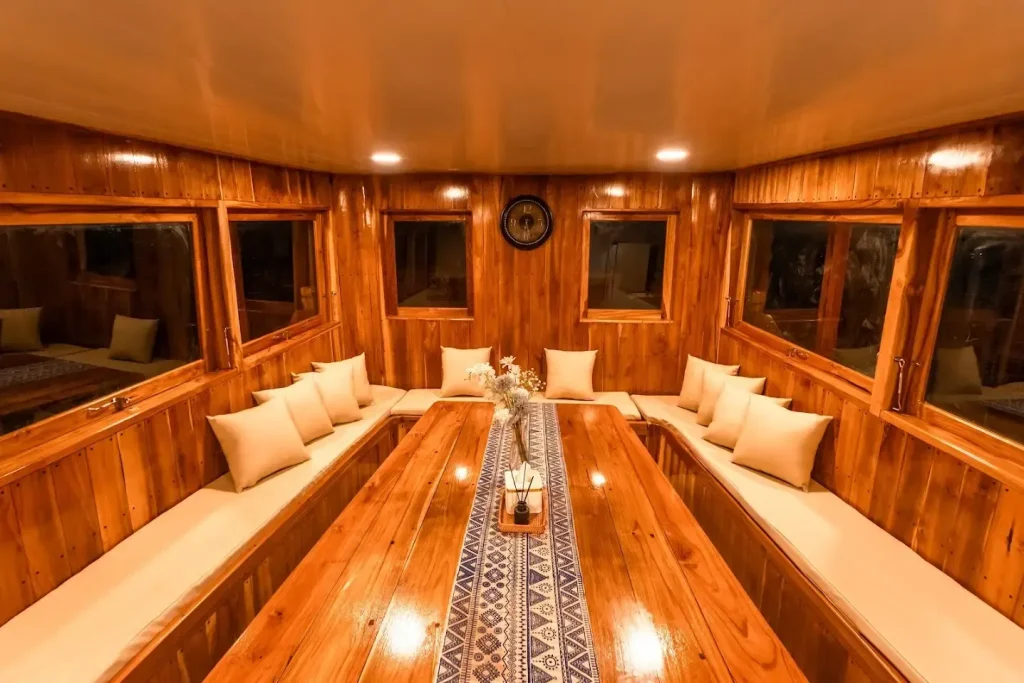
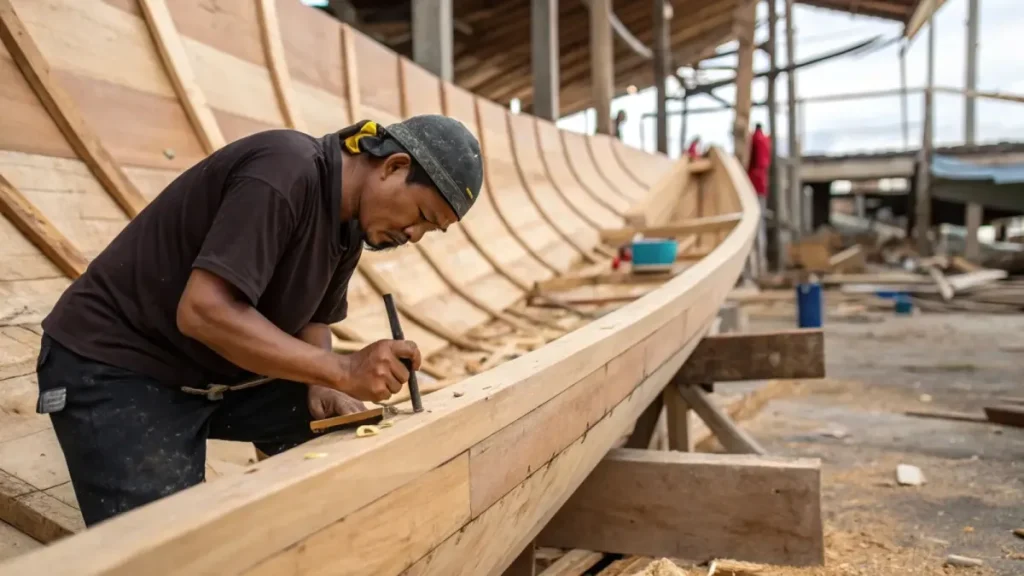
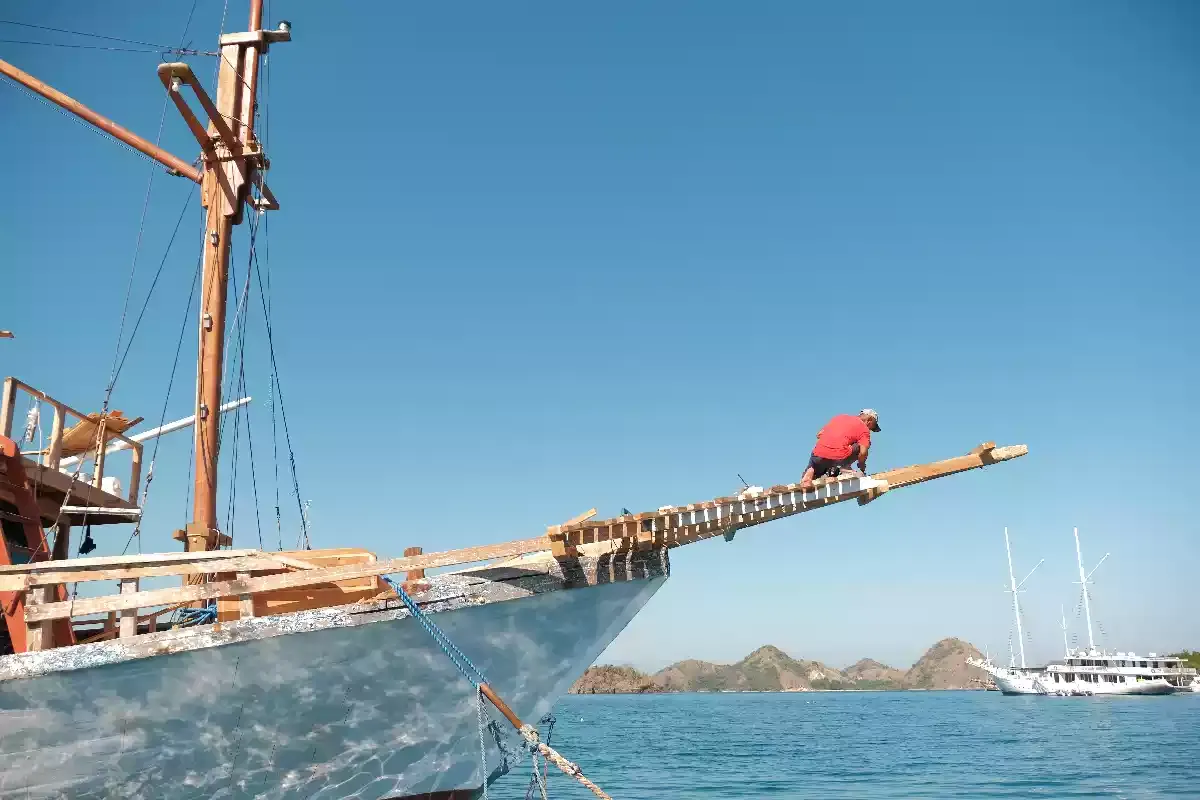
The vessel you choose is not merely a mode of transport; it is the central platform for your entire Komodo experience. While modern fiberglass yachts are available, nothing compares to the authenticity and suitability of a traditional phinisi schooner. These magnificent two-masted vessels, with hulls crafted from ironwood and teak, are the product of centuries of Bugis shipbuilding heritage. The very soul of the archipelago is built into their DNA. An indonesian-built yacht is designed specifically for these waters. Its shallow draft allows access to secluded coves and anchorages that are off-limits to deeper-keeled vessels, getting you closer to pristine reefs and untouched beaches. The expansive, open-air deck spaces are a defining feature, providing a seamless connection to the environment—perfect for alfresco dining, sunrise yoga, or simply observing the dramatic volcanic scenery drift by.
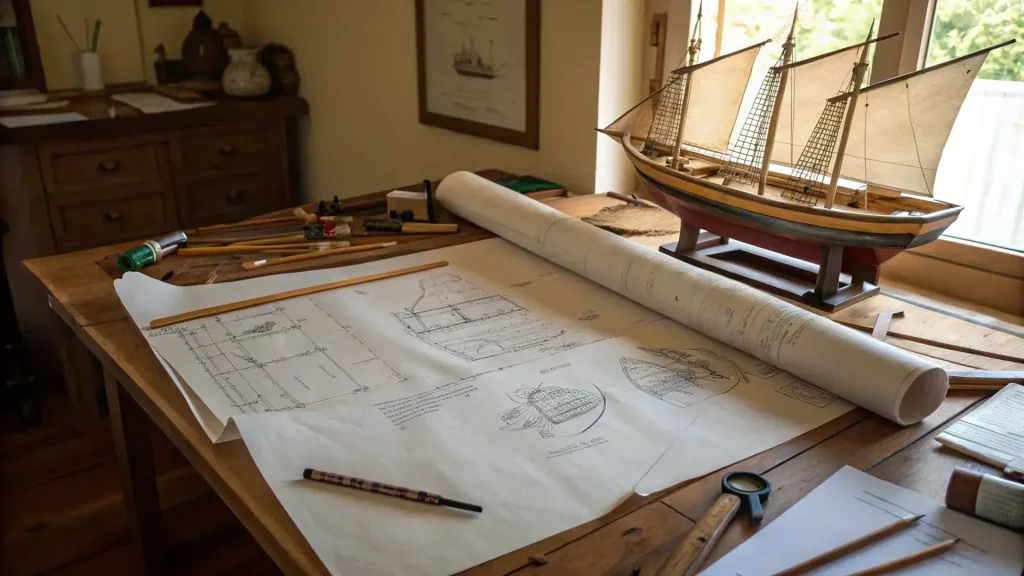
Beyond the physical attributes, chartering a vessel from a reputable boat builder in Indonesia ensures you are crewed by professionals with an innate understanding of the region. The captain knows the currents of the Lintah Strait not from a chartplotter, but from a lifetime of experience. The chef can source the freshest tuna from a passing fishing boat. The divemaster knows the precise tide at which a particular site will come alive with activity. This local expertise is an invaluable, intangible asset. Furthermore, the commitment to craftsmanship is palpable. On a high-quality phinisi, every joint is skill, every polished brass fitting a nod to tradition. This is not a sterile, mass-produced product; it is a floating piece of cultural heritage, a comfortable and capable base from which to launch your daily adventures, whether that involves diving with giants or walking among dragons. It is the definitive way to experience in the magic of Komodo.
Quick FAQ on Planning Your Komodo Charter
How long should a Komodo yacht charter be?
To truly appreciate the diversity of the park without feeling rushed, a 7-night, 8-day charter is the recommended minimum. This allows for a comfortable circuit covering the northern, central, and southern regions, including iconic sites like Padar Island, Pink Beach, and Manta Point. For avid divers or those wishing to explore more remote areas, a 10 to 12-night trip is ideal.
What are the current Komodo National Park fees?
Park fees are subject to change, but as of late 2023, the structure involves a daily conservation fee, a snorkeling/diving fee, and other smaller levies. A foreign visitor should budget approximately $100-$150 USD per person for a 3-4 day visit within the park. Your charter operator will typically arrange and itemize these fees for you in advance for a seamless experience.
Is Komodo a suitable destination for families with children?
Absolutely. Komodo is a fantastic “living classroom.” A well-planned charter on an indonesian-built yacht can cater specifically to families. Activities like guided, safe-distance dragon walks, snorkeling in calm, shallow bays, kayaking, and paddleboarding are perfect for all ages. The crew’s expertise ensures safety is paramount, making it an memorable adventure for children and adults alike.
Which airport is the gateway to Komodo?
The primary entry point is Komodo Airport (LBJ) in Labuan Bajo, a small but rapidly growing town on the western tip of Flores Island. There are multiple daily flights from major Indonesian hubs like Bali (DPS) and Jakarta (CGK). Most charter operators, including those offering vessels from the best boat builder in Indonesia, will arrange for a seamless transfer from the airport directly to your yacht at the harbor, which is only about 15 minutes away.
The tides of Komodo wait for no one, and the seasons turn with an ancient, steady rhythm. To chart your own course through this living Eden, to feel the pull of the currents and witness life at its most raw and magnificent, requires more than just a ticket—it requires the right vessel. The journey begins not on the water, but with a conversation. To explore the possibilities of commissioning a vessel that is itself a part of the destination, a conversation with a true boat builder in Indonesia is the essential first step on your voyage of a lifetime.