Our Editorial Standards and Fact-Checking Process
At Boat Builder Indonesia, our commitment to authority and trustworthiness extends beyond the timbers of our vessels to the information we provide. We understand that our B2B clients rely on us for accurate, expert-led insights into the complex world of Phinisi construction, Indonesian maritime regulations, and the luxury charter market. Our content is created not for search engine algorithms, but for discerning investors, operators, and maritime professionals. This page outlines the rigorous standards that govern our research, writing, and verification processes.
Core Principles of Our Content
- Expertise-Driven: All technical and regulatory content is written or reviewed by genuine experts. This includes our in-house team of naval architects, project managers, and maritime legal counsel, as well as a network of external specialists.
- Accuracy and Precision: We prioritize factual accuracy above all else. Information regarding materials, engineering specifications, legal requirements, and market data is meticulously verified against primary sources.
- Transparency: We are transparent about our processes, our affiliations, and our mission. We believe an informed client is the best partner.
- Client-Centricity: Our content is designed to answer the critical questions our B2B clients have, providing substantive value that aids in their decision-making process.
Our Research and Sourcing Process
To ensure the highest level of accuracy, we rely on a strict hierarchy of sources for the information presented on our website, including our primary boat builder Indonesia service page.
- Primary Official Sources: For all legal, regulatory, and compliance information, we consult primary government and official sources directly. This includes:
- Kementerian Perhubungan (Ministry of Transportation): Specifically the Direktorat Jenderal Perhubungan Laut (Directorate General of Sea Transportation) for regulations on vessel registration, safety, and manning.
- Biro Klasifikasi Indonesia (BKI): For all matters related to vessel classification, technical standards, and safety certification.
- Kementerian Lingkungan Hidup dan Kehutanan (Ministry of Environment and Forestry): For regulations on timber legality, especially the Sistem Verifikasi Legalitas Kayu (SVLK).
- Badan Pusat Statistik (BPS): For data on tourism and economic trends.
- Peer-Reviewed Technical Data: Engineering principles, material specifications, and naval architecture concepts are based on established industry standards and data from recognized bodies like the Royal Institution of Naval Architects (RINA) and the Society of Naval Architects and Marine Engineers (SNAME).
- First-Hand Expert Knowledge: A significant portion of our content is derived from the decades of hands-on experience of our master shipwrights and technical directors. This practical, on-the-ground knowledge is invaluable and unique to our organization.
Fact-Checking and Verification Workflow
No piece of substantive content is published without undergoing a multi-stage verification process:
- Initial Draft by Subject Matter Expert: An article or page is drafted by a team member with direct expertise in the topic (e.g., our naval architect writes about stability testing).
- Cross-Functional Review: The draft is reviewed by at least one other expert from a different discipline to ensure clarity and check for unintended inaccuracies. For example, a legal article will be reviewed by a project manager to ensure it reflects operational realities.
- Source Verification: All claims, statistics, and regulatory references are checked against the primary sources cited. Links to official sources are provided where possible.
- Final Approval: The final piece is approved by a member of our senior leadership team before publication.
Update Cadence and Corrections Policy
The maritime industry and Indonesian regulations are dynamic. We are committed to keeping our information current. Our core pages are reviewed on a semi-annual basis, or more frequently if significant regulatory changes occur. Should we discover an error, we will correct it promptly and transparently. We encourage readers to contact us at bd@juaraholding.com if they believe they have found an inaccuracy.
Conflict of Interest Policy
While we discuss various suppliers of engines, navigation equipment, and other components, our editorial content is independent of our procurement decisions. We do not accept payment for editorial mentions. Our recommendations are based on the technical suitability, reliability, and service support available in Indonesia for a specific project. Our primary goal is to provide our clients with the best possible information to build a world-class vessel.
Continue exploring Boat Builder Indonesia:
Our Boat Builder Indonesia Service ·
Meet Our Team ·
Editorial Standards ·
Methodology ·
Sustainability ·
Safety & Compliance
Ensuring cultural authenticity and sustainable practice
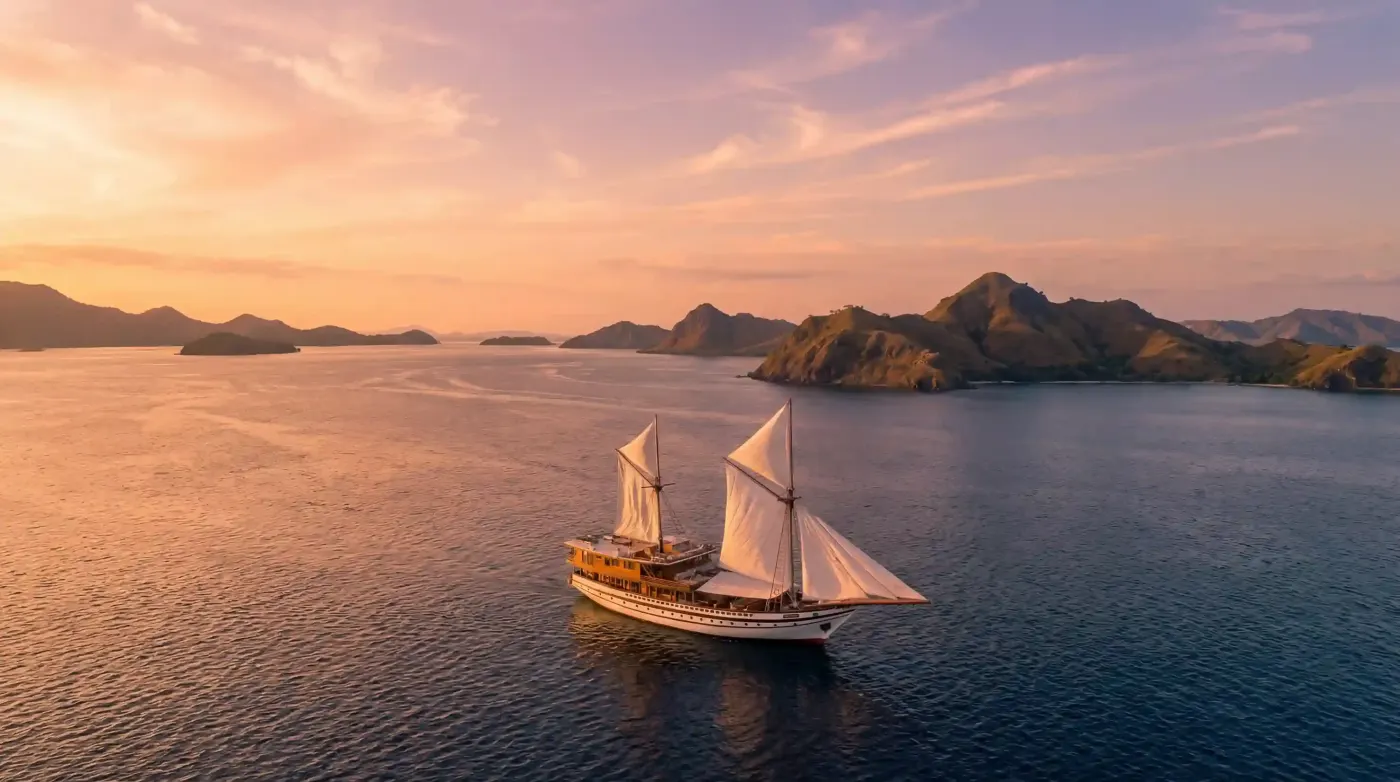
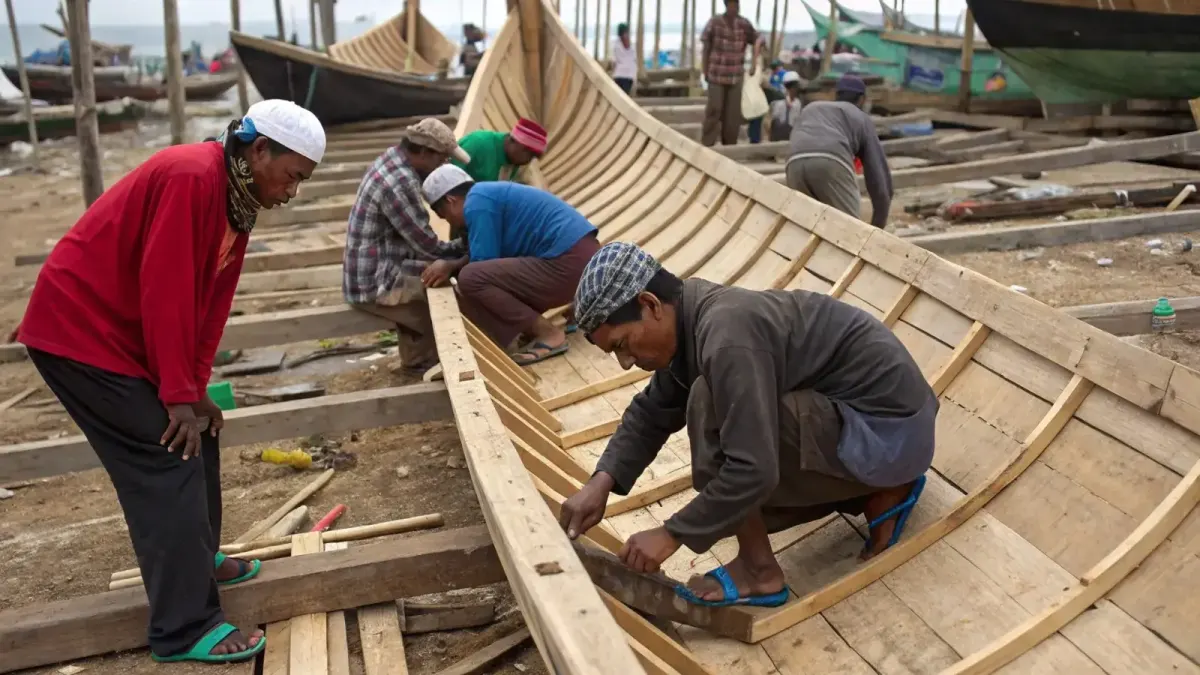
The scent of ancient timber, the whisper of the sea breeze across a teak deck – these are the sensory hallmarks of a luxury Phinisi voyage through Indonesia’s pristine archipelagos. At Boat Builder Indonesia, our editorial standards extend beyond technical specifications to embrace the very soul of these magnificent vessels. We believe that true luxury in this niche demands profound respect for the Phinisi’s heritage, a seafaring tradition dating back centuries to the Bugis and Makassar people of South Sulawesi. Our content rigorously verifies that the design principles, construction methods, and even the ceremonial aspects of a build honor this rich cultural legacy, ensuring that each vessel is not merely a yacht, but a floating piece of Indonesian art and history, recognized by UNESCO as an Intangible Cultural Heritage of Humanity since 2017.
This commitment to authenticity is intrinsically linked with our dedication to sustainability. For discerning luxury travelers and investors, the provenance and environmental footprint of their experience are paramount. Our research into the ethical sourcing of tropical hardwoods, primarily teak and ironwood, ensuring they come from certified, responsibly managed plantations or reclaimed sources. We investigate shipbuilding practices for minimal waste, energy efficiency, and low-impact operations. Furthermore, our content highlights builders who actively support local communities through fair wages, traditional craftsmanship training, and initiatives that protect Indonesia’s fragile marine ecosystems, from coral reefs to mangrove forests, crucial for the long-term viability of luxury tourism.
Rigorous verification for luxury and safety standards
Luxury is defined not just by opulent finishes, but by an unwavering assurance of quality, comfort, and, above all, safety. Our editorial team meticulously researches and verifies the adherence of boat builders to the highest international maritime safety regulations and classification society standards. This includes stringent compliance with IMO (International Maritime Organization) conventions like SOLAS (Safety of Life at Sea) and MARPOL (Marine Pollution), alongside certifications from esteemed bodies such as Lloyd’s Register, RINA, or Bureau Veritas. We scrutinize details from structural integrity and fire suppression systems to navigation equipment and emergency protocols, ensuring that every vessel is built to withstand the diverse conditions of Indonesia’s vast maritime domain, which encompasses over 17,000 islands.
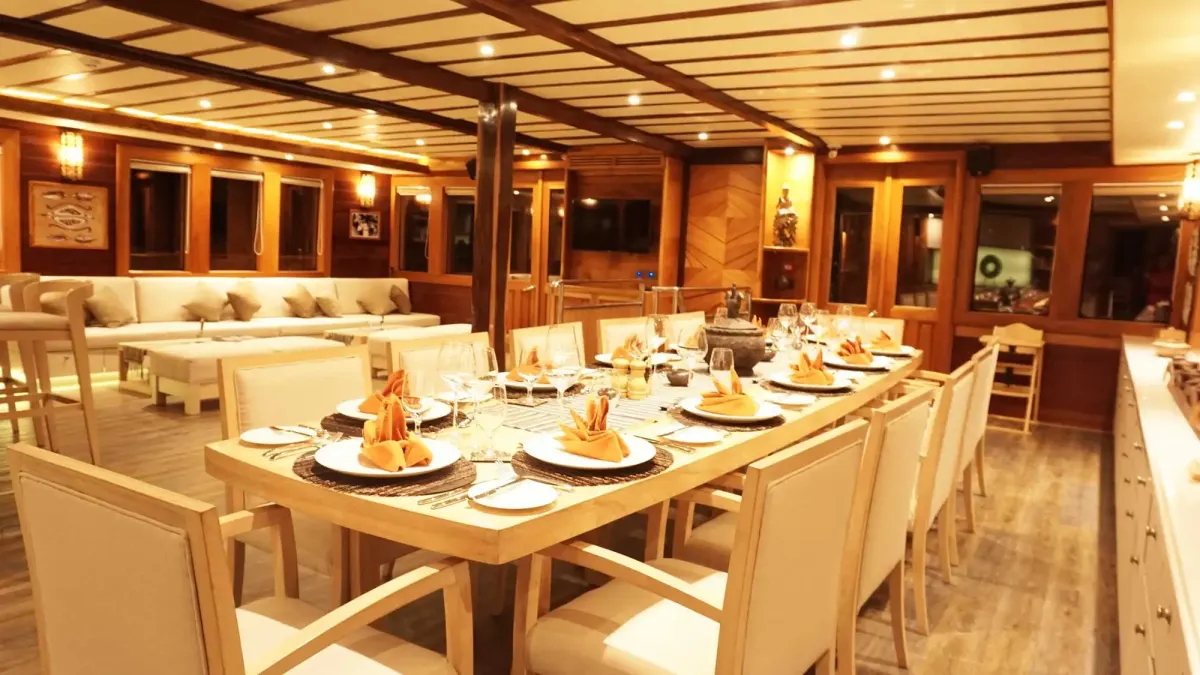
Beyond the regulatory frameworks, our verification process into the nuances of luxury. We assess the quality of interior design, the durability of bespoke furnishings, the sophistication of onboard technology, and the seamless integration of amenities that define a world-class charter experience. This involves cross-referencing builder claims with independent expert reviews, client testimonials, and on-site inspections where possible. Our content provides verified insights into the materials used, from the grade of stainless steel in fittings to the thread count of linens, offering B2B clients the confidence that their investment will meet the elevated expectations of high-net-worth individuals seeking comfort and service in remote, breathtaking destinations.
Driving innovation through market insight and client feedback
The luxury tourism landscape in Indonesia is dynamic, with discerning clients constantly seeking new experiences and higher standards. Our editorial process includes an ongoing analysis of global luxury travel trends and specific market demands within the Indonesian archipelago. We collaborate with leading luxury charter operators, destination experts, and high-net-worth individuals to gather qualitative insights into what truly defines an exceptional maritime journey. This includes preferences for specific onboard amenities, eco-conscious features, advanced connectivity, and bespoke itinerary capabilities, allowing our content to reflect the cutting-edge of luxury Phinisi design and functionality. We track build times, which for a custom luxury Phinisi can average between 18 to 24 months, to ensure our information aligns with realistic project timelines and quality expectations.
A crucial element of our verification process involves understanding how boat builders integrate client feedback and market intelligence into their design and construction methodologies. We examine their iterative design processes, their flexibility in customization, and their responsiveness to evolving regulatory requirements and environmental best practices. By showcasing builders who demonstrate a proactive approach to innovation and client-centric development, we empower our B2B audience with the knowledge to select partners who are not only masters of traditional craftsmanship but also forward-thinkers in the competitive world of luxury yachting. This continuous cycle of research, verification, and adaptation ensures that the information we provide remains relevant, accurate, and truly invaluable.