Phinisi vs. Modern Yacht: What to Commission from Indonesian Boat Crafters
9 min read
- Phinisi: Embodies tradition, craftsmanship, and a slower, more immersive journey.
- Modern Yacht: Represents performance, advanced technology, and global reach.
- Hybrid Builds: Combine steel hulls with traditional aesthetics for the best of both worlds.
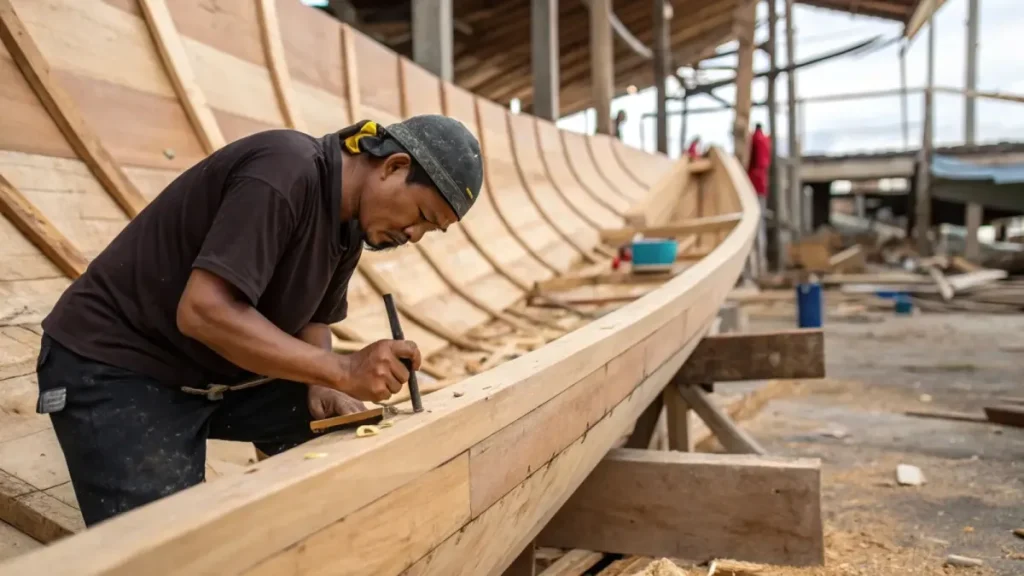
The air on the beach at Tanah Beru hangs thick with the scent of curing wood and clove cigarettes. You hear the rhythmic tap-tap-tap of a hundred mallets on chisels, a sound that has echoed across this stretch of South Sulawesi sand for centuries. Before you, the skeleton of a ship rises, its ironwood ribs curving toward the sky like a leviathan’s bones. This is the crucible of maritime legend, the birthplace of the Phinisi. And you are here to make a choice—a decision that will define your relationship with the sea. Do you embrace this profound legacy, or do you commission a vessel of pure, cutting-edge modernity? It’s a question not of which is better, but of what kind of story you want your ship to tell.
The Soul of the Archipelago: Understanding the Phinisi Legacy
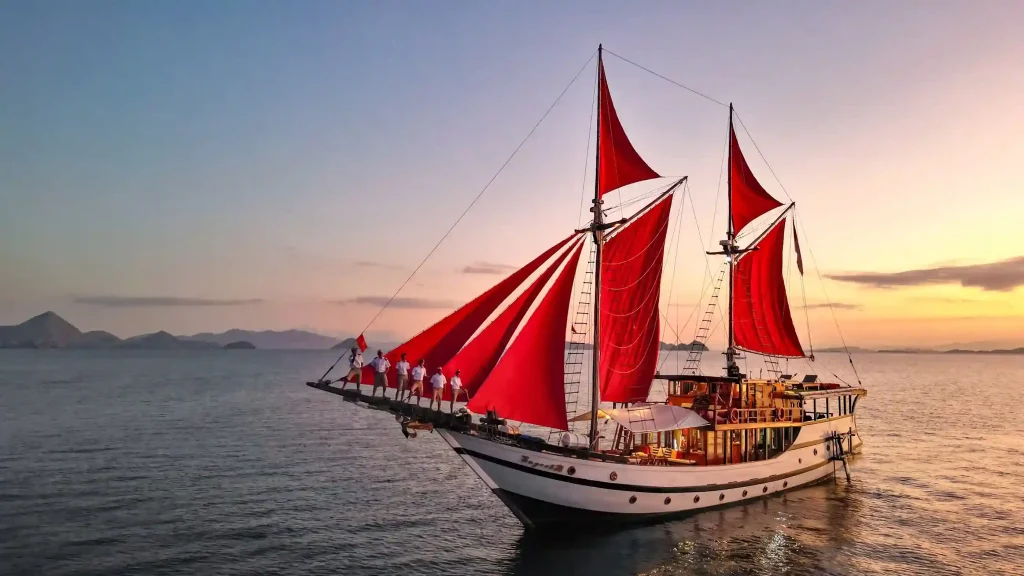
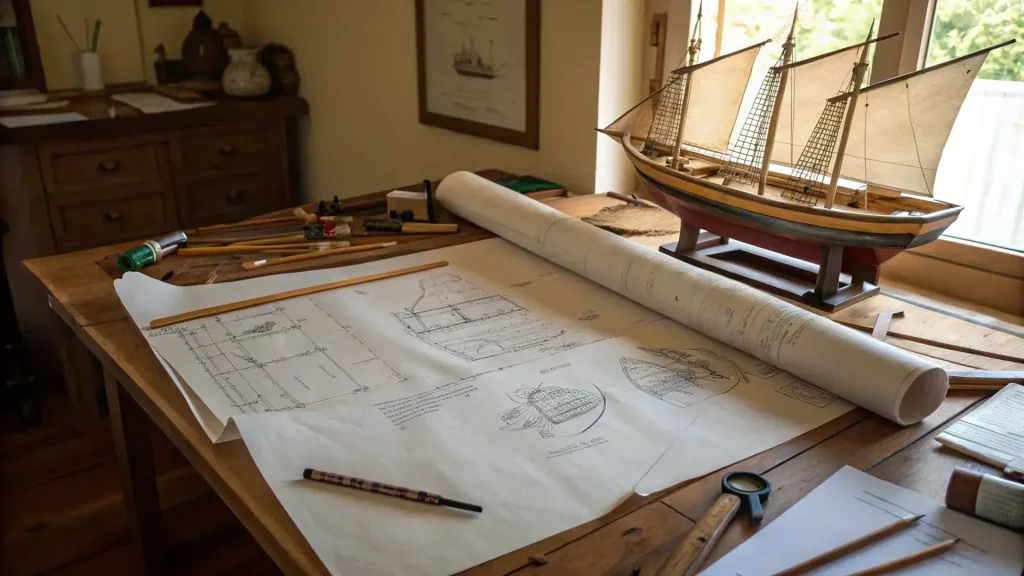
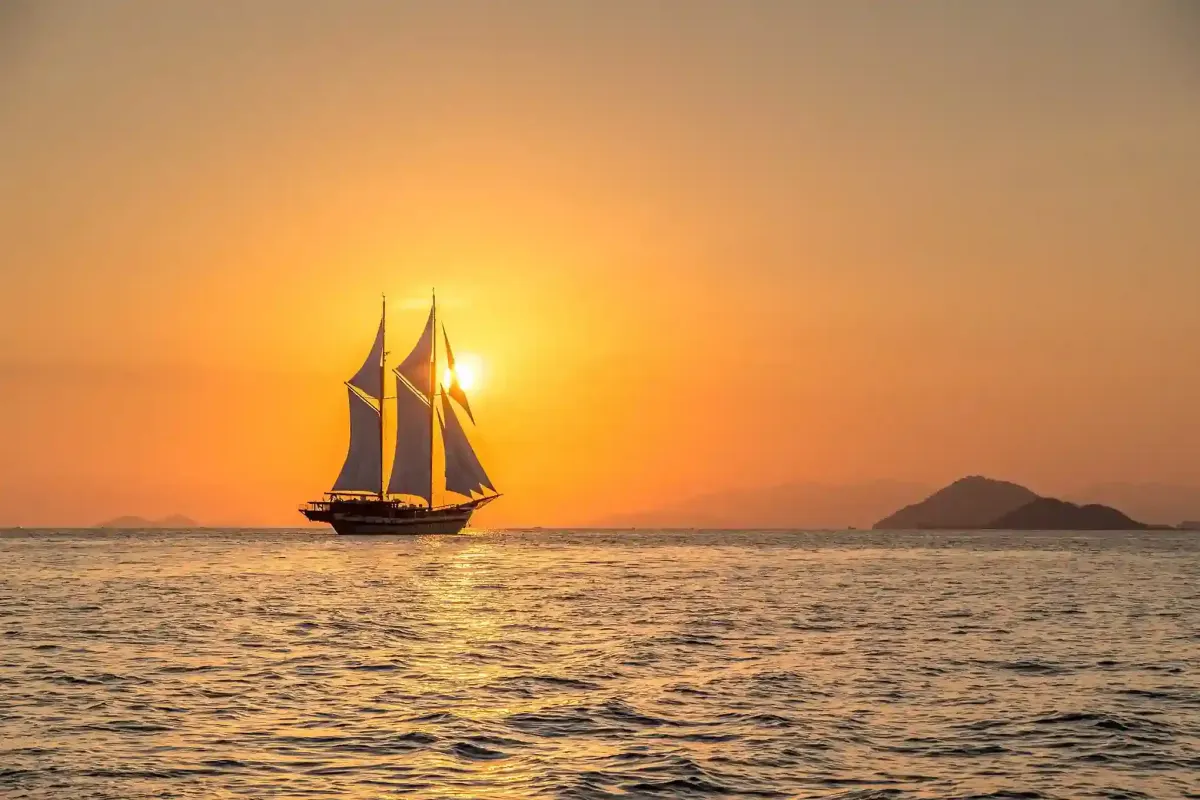
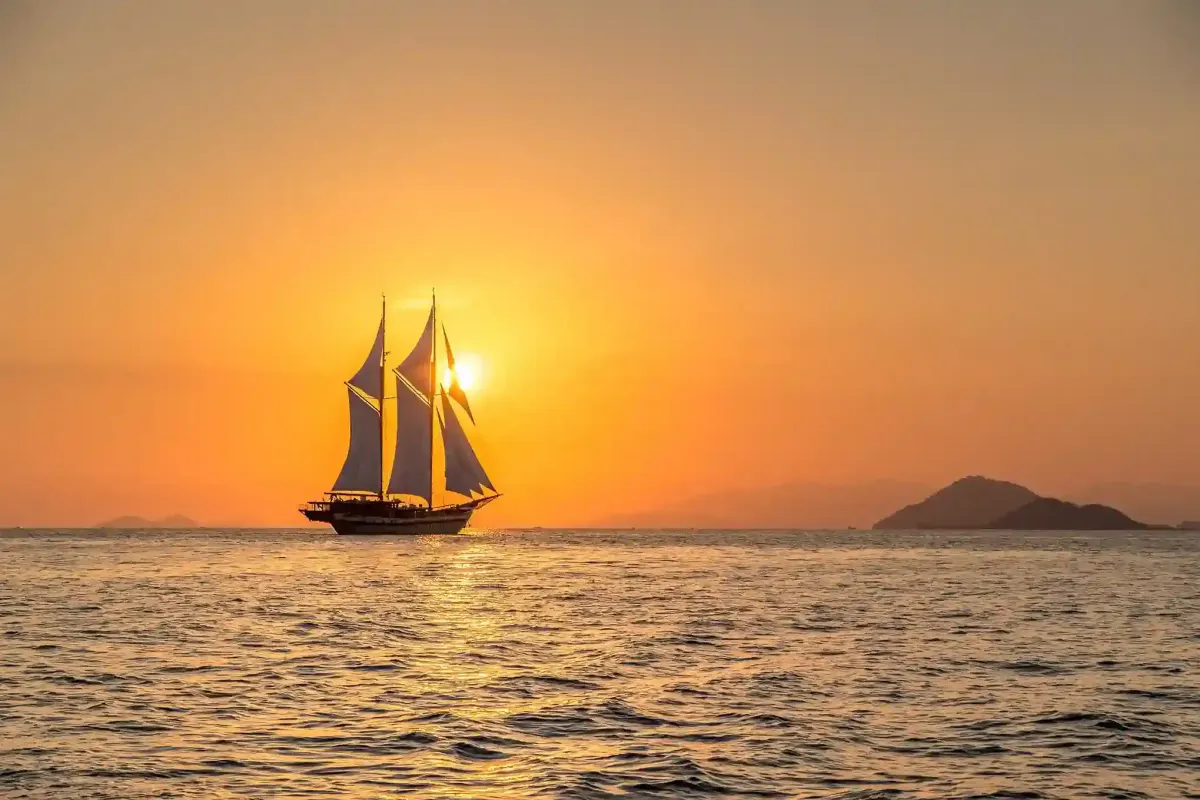
To commission a Phinisi is to become a patron of a living art form. This is not merely a boat; it is a cultural artifact recognized by UNESCO as an Intangible Cultural Heritage of Humanity since 2017. The lineage of these vessels traces back to the Konjo people, master mariners who built ships that carried spices, textiles, and legends across the Indian Ocean for hundreds of years. The traditional design features two masts and seven sails—a gaff-ketch rig—said to symbolize the seven seas. The hull construction, a masterpiece of intuition and generational knowledge, is traditionally done without blueprints. Master builders work from memory and feel, fitting massive planks of Ulin (ironwood) and Teak together with wooden dowels in a process that is as much ritual as it is engineering. Ulin, with a density often exceeding 1.0 g/cm³, is so heavy it sinks in water, granting the hull immense strength. Today’s luxury Phinisis, of course, are a far cry from their cargo-hauling ancestors. While the soul and silhouette remain, they are outfitted with powerful marine diesel engines, advanced navigation suites, dive compressors, and interiors that rival the finest hotels. Yet, the essence persists. It’s in the hand-carved details, the creak of the timber, and the profound sense of sailing aboard a piece of history. A premier boat builder in Indonesia understands this duality, balancing ancient techniques with modern demands for safety and comfort.
The Apex of Performance: Commissioning a Modern Superyacht
On the other side of the commissioning spectrum lies the modern superyacht— precision, power, and technological prowess. Here, the romance of tradition gives way to the thrill of performance. Instead of hand-hewn ironwood, the primary materials are high-tensile steel, marine-grade aluminum, and advanced fiberglass or carbon composites. The design process begins not on a beach, but in the digital realm of naval architects using sophisticated CAD software and computational fluid dynamics to optimize for speed, stability, and fuel efficiency. A 50-meter modern yacht can cruise comfortably at 15 knots, more than double the typical 7-9 knot speed of a Phinisi under power, dramatically extending its operational range. This means a passage from Bali to the remote Anambas Islands, a journey of over 800 nautical miles, is a matter of a few days rather than a week or more. The onboard experience is defined by technological sophistication. Zero-speed stabilizers eliminate roll at anchor, ensuring perfect comfort. Integrated automation systems control everything from lighting to engine diagnostics. A modern yacht can be equipped with a certified helipad, a submersible garage, or a beach club with a hydraulic swim platform. For the owner whose vision involves crossing oceans, exploring polar regions, or simply having the very latest in marine technology, the modern yacht is the unambiguous choice. The investment reflects this complexity; a European-built 50-meter yacht can easily exceed $30 million, a figure that highlights the value proposition offered by skilled Indonesian yards.
Craftsmanship Crossroads: Where Indonesian Artisans Excel
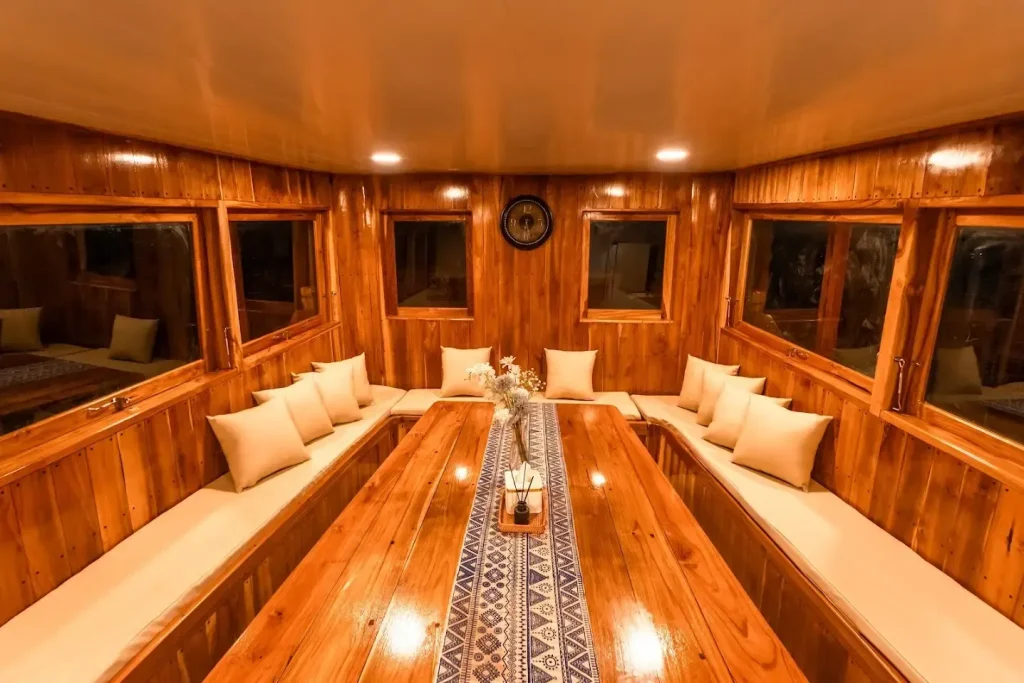
Here is the critical insight for anyone considering a new build in this region: the core strength of indonesian boat crafters is their mastery of wood. This expertise is the common thread that elevates both Phinisi and modern yacht projects. For a traditional Phinisi, this is self-evident. I once spoke with a master builder, Pak Rahman, in Bulukumba, who explained how he could read the soul of a piece of timber simply by its grain and weight. This is a skill passed down through dozens of generations, impossible to replicate in a European shipyard. But how does this translate to a steel-hulled superyacht? The answer is in the finish. A 45-meter modern yacht has over 1,500 square meters of interior space requiring exquisite joinery, custom furniture, intricate paneling, and flawless teak decking. This is where Indonesian artisans deliver world-class quality at a fraction of the European labor cost. A European yard might charge upwards of €6,000 per square meter for high-end interior finishing; in Indonesia, you can achieve a comparable or even superior result for significantly less. This has given rise to the “Modern Phinisi” or the “Indo-Dutch” hybrid—a vessel with a robust, low-maintenance steel hull engineered for global standards, but with the superstructure, rigging, and entire interior completed by Indonesian masters. It’s a compelling synthesis, offering the structural integrity and volume of a modern build with the aesthetic grace and artisanal soul of a Phinisi. This hybrid approach is a specialty of the most forward-thinking custom phinisi yacht construction firms.
The Voyage Itself: Experience vs. Destination
The type of vessel you commission fundamentally shapes your experience on the water. Life aboard a Phinisi is an immersion. It’s about the journey. With a cruising speed of 8 knots, you are encouraged to slow down. You feel the rhythm of the sea. You sail with the wind when possible, hearing the snap of canvas and the hum of the rigging. This slower pace is perfectly suited for exploring the dense archipelagos of Indonesia, from the dragon-guarded islands of Komodo to the otherworldly karsts of Raja Ampat, a region with over 1,500 small islands to navigate. A typical one-week charter on a Phinisi might cover 300 nautical miles, focusing on deep exploration of a single area. The vessel becomes an extension of the environment. In contrast, a modern yacht is about capability and destination. Its higher speed and greater range—often exceeding 4,000 nautical miles on a single tank of fuel—turn the entire region into a playground. You can have breakfast in Bali, lunch while cruising past Lombok, and be at anchor off Sumbawa for sunset. It allows you to connect disparate, remote locations like the Banda “Spice Islands” and the whale shark sanctuary of Cenderawasih Bay in a single voyage. The experience is one of sublime, climate-controlled comfort and efficiency, where the yacht serves as a sophisticated platform to access extraordinary places, as detailed on the official indonesia.travel portal. The choice is between deep, regional immersion and broad, efficient exploration.
Investment and Operations: A Pragmatic Comparison
Financials are a crucial part of the commissioning decision. A high-quality, 40-meter luxury Phinisi, built traditionally from wood by top-tier indonesian boat crafters, can be commissioned for a price in the range of $3 million to $7 million. The build process typically takes 18 to 24 months. A modern steel and aluminum motor yacht of a similar length built in Indonesia would start closer to $12 million, with a timeline of 24 to 36 months due to the complexity of its systems. The operational costs also diverge. A wooden Phinisi demands rigorous and skilled maintenance. Annual haul-outs for caulking, sanding, and treating the hull are essential, and the cost of this upkeep can represent 8-10% of the vessel’s initial value per year. A steel or aluminum yacht requires less intensive woodwork but involves specialized maintenance for its complex machinery, electronics, and corrosion prevention systems. Crewing is another consideration. Phinisi crews are often sourced from the boat-building communities themselves, possessing an innate, almost hereditary, understanding of the vessel. A modern yacht requires a crew with internationally recognized certifications in engineering, navigation, and safety protocols. The resale market differs as well; a well-maintained, charter-proven Phinisi can hold its value remarkably well within the thriving Indonesian tourism niche, while a modern yacht competes in a more global, and typically more depreciation-sensitive, marketplace.
Quick FAQ for the Prospective Owner
Can a Phinisi be built with a modern, low-maintenance hull?
Absolutely. This is an increasingly popular and intelligent choice. Commissioning a Phinisi with a steel hull provides superior durability, greater interior volume, and simpler long-term maintenance while retaining the iconic two-masted silhouette and allowing for a magnificent traditional wood interior. It is a core competency of the best Indonesian yacht builders.
What is the realistic charter potential for each type of vessel?
The luxury Phinisi is the undisputed king of the Indonesian charter market. Weekly rates for a high-end, 5-cabin Phinisi can range from $40,000 to over $90,000. Their aesthetic is precisely what high-end clients seek for exploring regions like Komodo and Raja Ampat. A modern yacht has broader appeal geographically but may face stiffer competition from global fleets and might not have the same unique regional allure as a Phinisi.
How much customization is possible with Indonesian boat crafters?
The level of customization is virtually limitless. Indonesian yards are not mass-production facilities; they are workshops for creating bespoke vessels. From the initial lines of the hull and the general arrangement of the cabins to the selection of wood for the joinery and the style of the hand-carved ornamentation, the owner is deeply involved. This collaborative process is a hallmark of the custom boat building experience in Indonesia.
Ultimately, the decision between a Phinisi and a modern yacht is a reflection of personal philosophy. One is a floating homage to heritage, a vessel that sails in the wake of history. The other is a declaration of forward-looking ambition, a machine designed for speed and conquest. Yet, both paths lead back to the same place: the gifted hands of the artisans on the shores of Indonesia. The common denominator is the extraordinary skill of the local craftsmen, a resource as rich and valuable as any spice that ever sailed from these islands. Whether your vision is a vessel that speaks of ancient trade routes or one that whispers of future horizons, the journey begins with the right partner. Explore the possibilities with a premier boat builder indonesia and begin crafting your own legacy on the water.