How Much Does It Cost to Build a Luxury Phinisi in Indonesia?
9 min read
- Hull & Superstructure: Typically 30-40% of the total budget, using traditional ironwood and teak.
- Interior Fit-Out: Represents 35-50% of the cost, driven by custom joinery, imported fixtures, and systems.
- Propulsion & Systems: A significant 20-25% for engines, generators, navigation, and safety equipment.
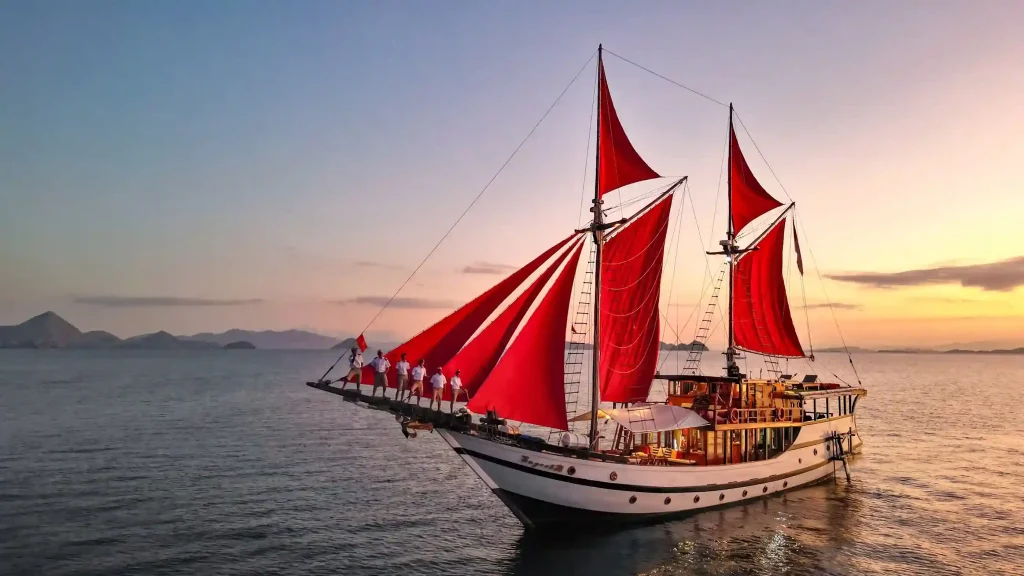
The air in Tana Beru hangs thick and sweet with the scent of curing wood and clove cigarettes. Under the relentless South Sulawesi sun, the percussive rhythm of an adze striking ironwood is the only metronome. Here, on a stretch of white sand where the craft has been perfected for centuries, a vessel is taking shape. It is not merely a boat; it is a phinisi, a two-masted schooner whose silhouette is as synonymous with the Indonesian archipelago as the volcano. As a travel editor, I’ve sailed on a dozen of these magnificent ships, but it’s the process of their creation—a blend of ancient ritual and modern engineering—that truly captivates. The question I hear most often from would-be owners and investors, whispered over cocktails from Bali to Monaco, is always the same: what does it really cost to bring one of these floating masterpieces to life?
Deconstructing the Million-Dollar Ballpark Figure
Let’s address the central question directly. When you set out to build a luxury phinisi in indonesia, you are not buying an off-the-shelf product. You are commissioning a piece of functional art. The price spectrum is vast, starting around $800,000 for a well-appointed but smaller vessel and soaring past $3 million for a top-tier, 45-meter charter yacht with every conceivable amenity. I’ve seen build sheets for flagship projects that touch the $4.5 million mark. A useful benchmark for a high-quality, 35-meter phinisi with 6 guest cabins—the kind that commands premium charter rates in Komodo or Raja Ampat—hovers in the $1.8 million to $2.5 million range. This figure is a composite of three core cost centers: the hull and superstructure, the interior fit-out, and the mechanical, electrical, and plumbing (MEP) systems.
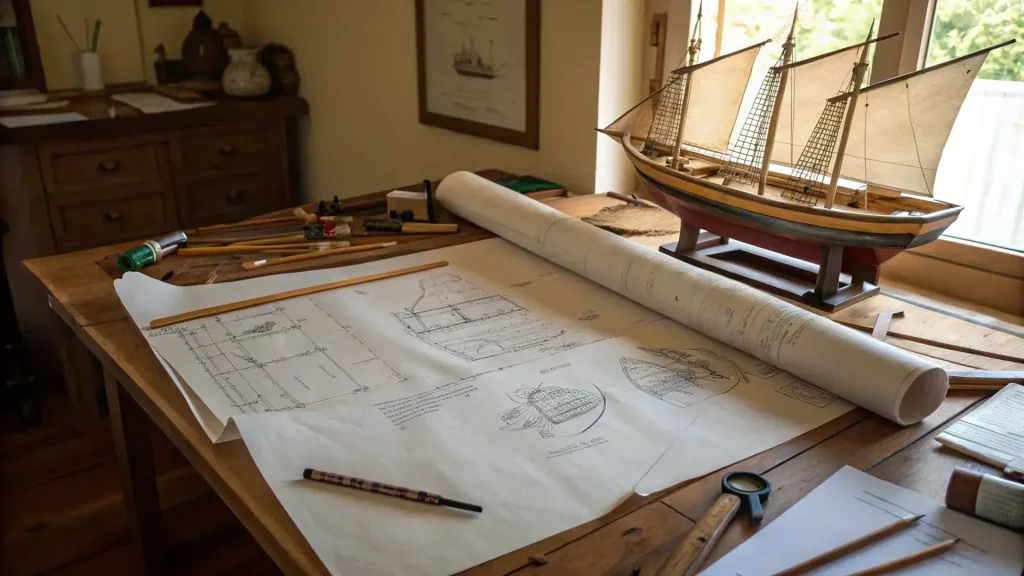
Think of it less like buying a car and more like commissioning an architect to design and build a custom villa. The land (the build slot and raw timber) is just the beginning. The foundation and frame (the hull) set the scale, but it’s the marble bathrooms, chef’s galley, and Crestron automation that define the final invoice. A yard manager in Bira once told me, “The hull is the soul, but the interior is the wallet.” A 10% variance in the length of the keel can result in a 30% increase in interior volume and, consequently, a commensurate jump in the cost of filling it. Understanding these core components is the first step in financial realities of this unique investment. The initial quote from a local builder often covers only the “sail-away” hull, leaving a significant portion of the budget—often 60% or more—for the complex finishing work.
The Hull and Superstructure: An Ironwood Foundation
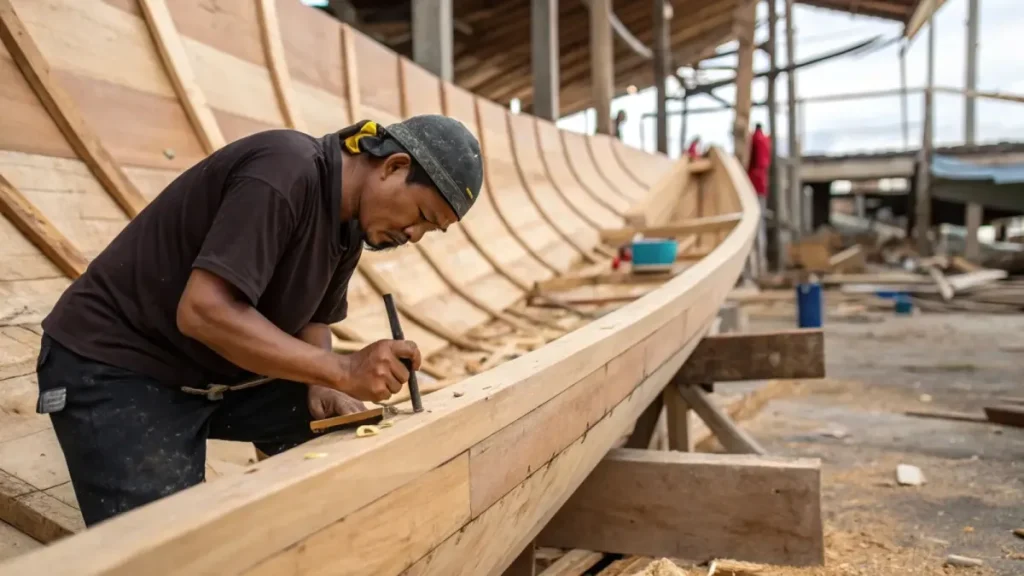
The soul of every phinisi is its timber. The construction begins with a keel-laying ceremony, an ancient ritual that underscores the vessel’s deep cultural roots. The primary wood used for the keel, frames, and hull planking is Kayu Ulin, or ironwood, a timber so dense it famously sinks in water. Sourced from the forests of Kalimantan, a single cubic meter of high-grade Ulin can cost upwards of $1,200 before it even reaches the shipyard. A 40-meter phinisi might require over 200 cubic meters of timber for its structure alone. The construction method itself is generational knowledge, recognized by UNESCO as an Intangible Cultural Heritage of Humanity. Master builders, known as punggawa, work from memory, shaping each plank by eye. This traditional phase, from keel to raw-planked hull, can take 8 to 12 months and typically represents 30-40% of the total project cost.
Above the waterline, the material of choice shifts to Kayu Jati, or teak, prized for its beauty, durability, and resistance to the harsh tropical sun. The decks, superstructure, and railings are all crafted from this golden-hued wood. The quality and sourcing of this teak can dramatically influence the cost. First-grade, legally sourced Javanese teak is a premium commodity. The entire process is a logistical ballet, moving hundreds of tons of timber to a remote beach, where a team of 30 to 50 craftsmen will spend a year shaping it into a seaworthy vessel. For anyone looking to commission a vessel, a pilgrimage to the building sites in South Sulawesi is essential. It provides a profound appreciation for the artisanship that a simple cost sheet can never convey and is a service offered by any reputable boat builder indonesia.
The Interior Fit-Out: Crafting a Floating Villa
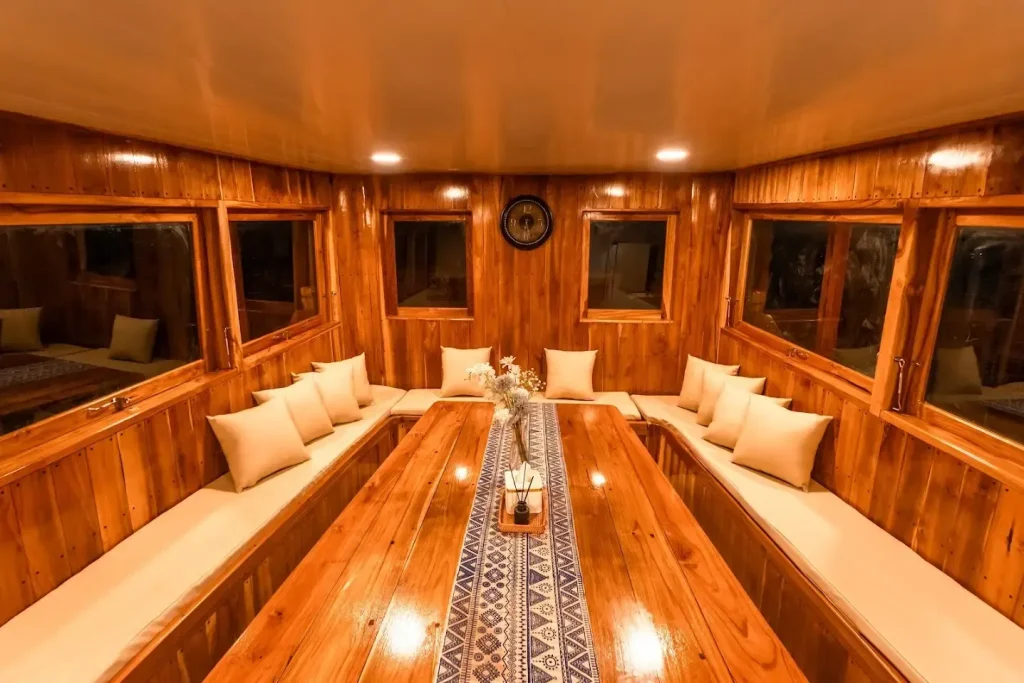
If the hull is the phinisi’s soul, the interior is its personality—and its largest variable cost. This is where the budget can truly expand, transforming a vessel from a comfortable liveaboard into a world-class luxury retreat. The fit-out phase typically accounts for 35% to 50% of the final price tag. The decision-making process is granular, from the species of wood for the cabinetry to the thread count of the linens. A 38-meter phinisi might have 250 square meters of interior guest space. Finishing this to a superyacht standard, with hand-sanded veneers, marble-clad bathrooms, and custom-built furniture, can easily cost $3,000-$5,000 per square meter.
The big-ticket items are numerous. A robust, marine-grade air conditioning system, essential for charter operations in equatorial climes, can cost between $70,000 and $120,000. The galley, designed to cater to 12 guests for a week, requires commercial-grade stainless steel appliances, extensive refrigeration, and high-end cooking equipment, often totaling over $60,000. Each guest cabin is a self-contained project: en-suite bathrooms with designer fixtures, custom mattresses, entertainment systems, and intricate lighting plans. The choice between locally crafted rattan furniture and imported Italian leather sofas can create a $100,000 swing in the budget. This stage requires a meticulous interior designer and a project manager who understands the unique challenges of a marine environment, where every element must be secured for sea and resistant to humidity and salt. This is where a professional team proves its worth, guiding the myriad decisions that define the guest experience.
Power, Navigation, and The Unseen Systems
Beneath the polished teak decks lies the modern heart of the phinisi—a complex network of machinery and technology that ensures safety, comfort, and reliability. This is the domain of engineers, not artists, and it represents a non-negotiable cost center, typically 20-25% of the total build. The engine room is the primary focus. A twin-engine setup using reliable marine diesel engines like Yanmar or Mitsubishi is standard for luxury charter vessels. The engine package alone, including gearboxes and shafts, can range from $100,000 to over $250,000, depending on the horsepower required for a 250-ton vessel to achieve a comfortable cruising speed of 8-10 knots.
Equally critical are the electrical systems. A pair of marine generators (providing redundancy) is essential to power the hotel loads—air conditioning, water makers, refrigeration, and lighting. A 40-kVA generator can cost $25,000, and you need two. The navigation and communications suite is another area with no room for compromise. A comprehensive package from brands like Furuno, Simrad, or Garmin, including radar, GPS chartplotters, autopilot, and VHF radios, will cost between $40,000 and $80,000. Add to that satellite communication systems for internet and voice (a must for the high-end charter market), and the bill climbs higher. Finally, safety systems mandated by Indonesian maritime classification (BKI) and international standards, such as automated fire suppression systems, SOLAS-grade life rafts, and emergency beacons (EPIRBs), can add another $30,000-$50,000. These are the unglamorous but utterly essential investments that make a luxury phinisi a safe and viable commercial enterprise.
Beyond the Yard: The Hidden Costs of a Phinisi Build
The final invoice from the shipyard is rarely the final number. As a seasoned observer of these projects, I can attest that first-time owners are often surprised by the “soft costs” that accumulate outside the primary build contract. The most critical of these is project management. Having an experienced, independent project manager on the ground is the single best investment you can make. They are your eyes and ears, ensuring quality control, managing timelines, and cultural and logistical hurdles. A good manager might charge 10-15% of the build cost, but they can save you 30% in costly mistakes, delays, and rework. This is a core service provided by a professional boat builder indonesia network.
Another significant factor is import tax. Any equipment not made in Indonesia—which includes engines, generators, navigation electronics, and high-end appliances—is subject to import duties and luxury taxes that can add 20-40% to the item’s cost. A $150,000 engine package can suddenly become a $200,000 expense. Then there are the costs of classification and flagging. Getting the vessel certified by Biro Klasifikasi Indonesia (BKI) is a labyrinthine process involving inspections, documentation, and fees. Finally, consider the costs of launching, delivery, and commissioning. Moving a 300-ton vessel from a beach to the water is a major operation, and outfitting it with everything from tenders and toys to cutlery and crew uniforms can easily add another $100,000 to the bottom line before it earns its first charter dollar.
Quick FAQ: Your Phinisi Build Questions, Answered
How long does it take to build a luxury phinisi?
For a 35 to 45-meter luxury phinisi, a realistic timeline from the keel-laying ceremony to the vessel being ready for its first charter guests is 18 to 24 months. The initial hull construction can take up to a year, with another 8 to 12 months required for the detailed interior fit-out, systems installation, and sea trials.
Where are the best places in Indonesia to build a phinisi?
The heartland of traditional hull construction remains in South Sulawesi, specifically in places like Tana Beru and Bira. However, the complex finishing work is often completed in more developed locations. Many builders now transport the raw hull to finishing yards in Bali, Batam, or near Jakarta, where there is better access to skilled electricians, engineers, and supply chains for imported materials.
What is the potential return on investment for a charter phinisi?
The charter market in Indonesia, particularly in destinations like Komodo National Park and Raja Ampat, is robust. A high-end, 6-cabin phinisi can command rates of $8,000 to $15,000+ per night. A well-managed vessel can aim for 120-150 charter nights per year, generating a gross revenue of over $1 million. However, operational costs—including crew salaries (a crew of 12-15 is typical), fuel, maintenance, insurance, and marketing—are significant, often running at 40-50% of revenue.
Can I get a loan to finance a phinisi build?
Traditional marine financing from international or Indonesian banks for this type of new build is exceptionally difficult to secure. The unique nature of the asset, the construction methods, and the jurisdiction make it a high-risk proposition for conventional lenders. The vast majority of phinisi builds are funded through private capital, owner financing, or small investor syndicates.
The journey to build a luxury phinisi in indonesia is as much an investment in a lifestyle and a piece of cultural heritage as it is in a financial asset. It is a complex, demanding, and at times frustrating process, but the reward is a vessel of character and a gateway to exploring the more than 17,000 islands of the Indonesian archipelago, as detailed by the country’s own tourism board. Navigating this journey requires more than just capital; it demands expertise, patience, and a deep understanding of the local landscape. To ensure your vision is realized to the highest international standards, partnering with a team that bridges the gap between traditional craftsmanship and modern superyacht expectations is not just an advantage—it is a necessity. To begin the conversation about commissioning your own legacy vessel, contact the experts at the Boat Builder Indonesia network for a professional consultation.