How to Choose a Trustworthy Luxury Boat Builder in Indonesia
9 min read
- Portfolio Verification: Demand a detailed history of past builds, including sea trials, client references, and operational histories.
- Technical Scrutiny: Inspect material sourcing, from the grade of ironwood and steel to the manufacturers of engines and navigation systems.
- Legal Compliance: Confirm the builder’s experience with international classification societies (RINA, BKI) and their proficiency in Indonesian maritime law.
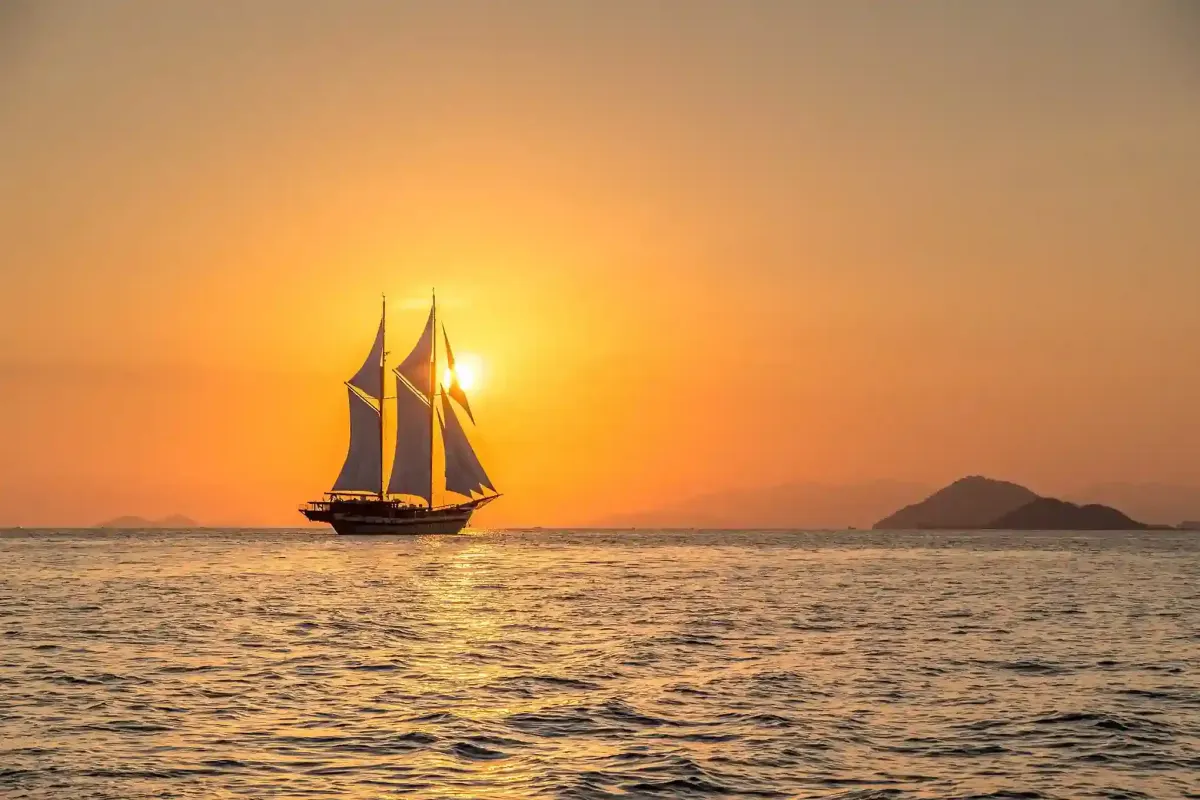
The air hangs thick with the scent of clove cigarettes and salt, a uniquely Indonesian perfume. From the flybridge, the volcanic cone of an island pierces a low-slung cloud, its green slopes plunging into water so clear it shifts from aquamarine to a profound sapphire. This is the view, the very reason one commissions a vessel in this corner of the world. It’s a sensory contract you make with the more than 17,500 islands of the Indonesian archipelago. But to unlock this private world, to command a vessel that is both a piece of art and a capable expedition craft, you must first navigate the intricate world of the people who build them. The journey to finding the right luxury boat builder in indonesia is as critical as the voyages you plan to take. It’s a decision that balances centuries-old tradition with the unforgiving demands of modern marine engineering.
Beyond the Brochure: Vetting the Heritage and Portfolio
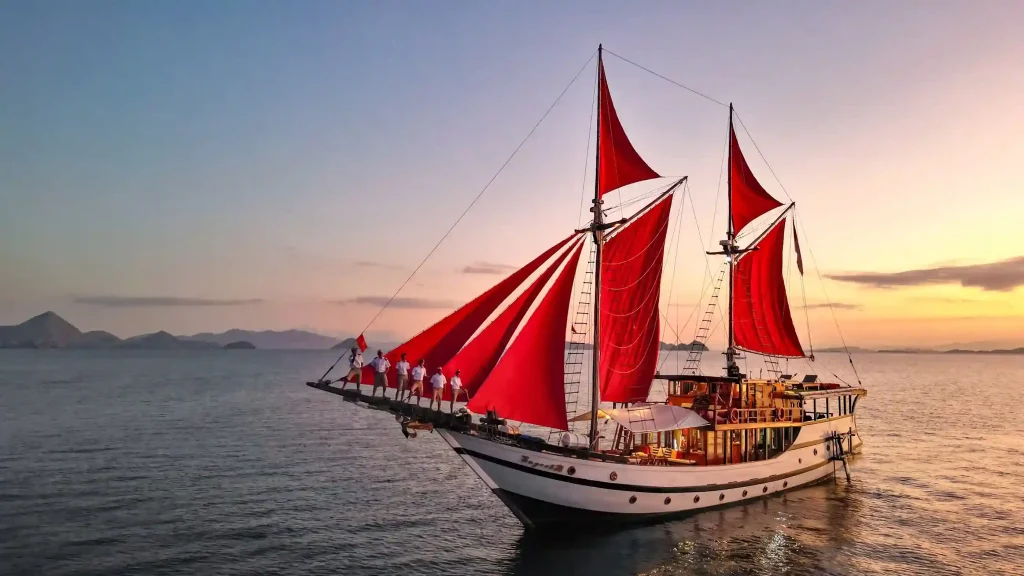
Any conversation about boat building in Indonesia inevitably, and rightly, begins in South Sulawesi. This is the cradle of the Phinisi, a majestic two-masted sailing vessel whose design and construction by the Konjo people have been inscribed on UNESCO’s list of the Intangible Cultural Heritage of Humanity. A builder’s connection to this lineage is more than a marketing point; it’s a litmus test for their understanding of the very soul of Indonesian maritime craft. However, a discerning client must look past the romance. A builder’s portfolio should be an open book. Do not be swayed by CGI renderings and glossy brochures alone. Ask for the hull numbers and names of the last five vessels they launched. A confident builder will readily provide this.
I once advised a client to not only request the list but to also invest in contacting two of the previous owners. The insights gained were invaluable, revealing details about after-sales support and how the vessel performed after its first 1,000 operational hours. A truly elite builder’s portfolio will showcase variety. Can they execute a traditional 35-meter wooden Phinisi with the same precision as a 50-meter steel-hulled explorer yacht designed for long-range cruising to Raja Ampat? Look for evidence of progression. Has their complexity and quality improved over the last decade? A static portfolio suggests a static skill set. The market for luxury charters in Indonesia is growing by an estimated 8% annually, and the vessels being commissioned reflect this demand for higher standards, greater comfort, and more robust safety features. Your chosen builder must demonstrate they are leading this evolution, not just keeping pace.
The Anatomy of a Build: Materials, Methods, and Modern Integration
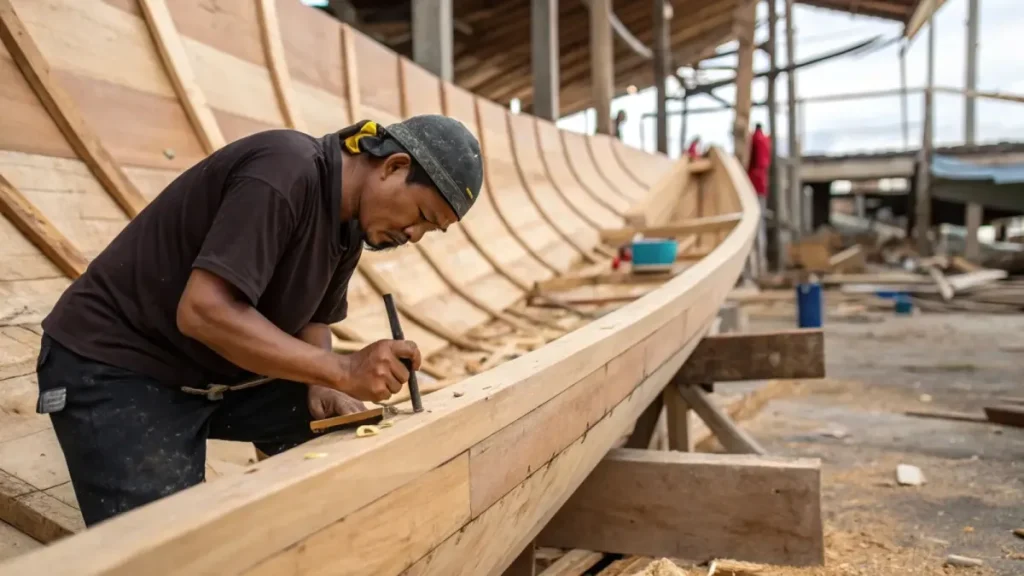
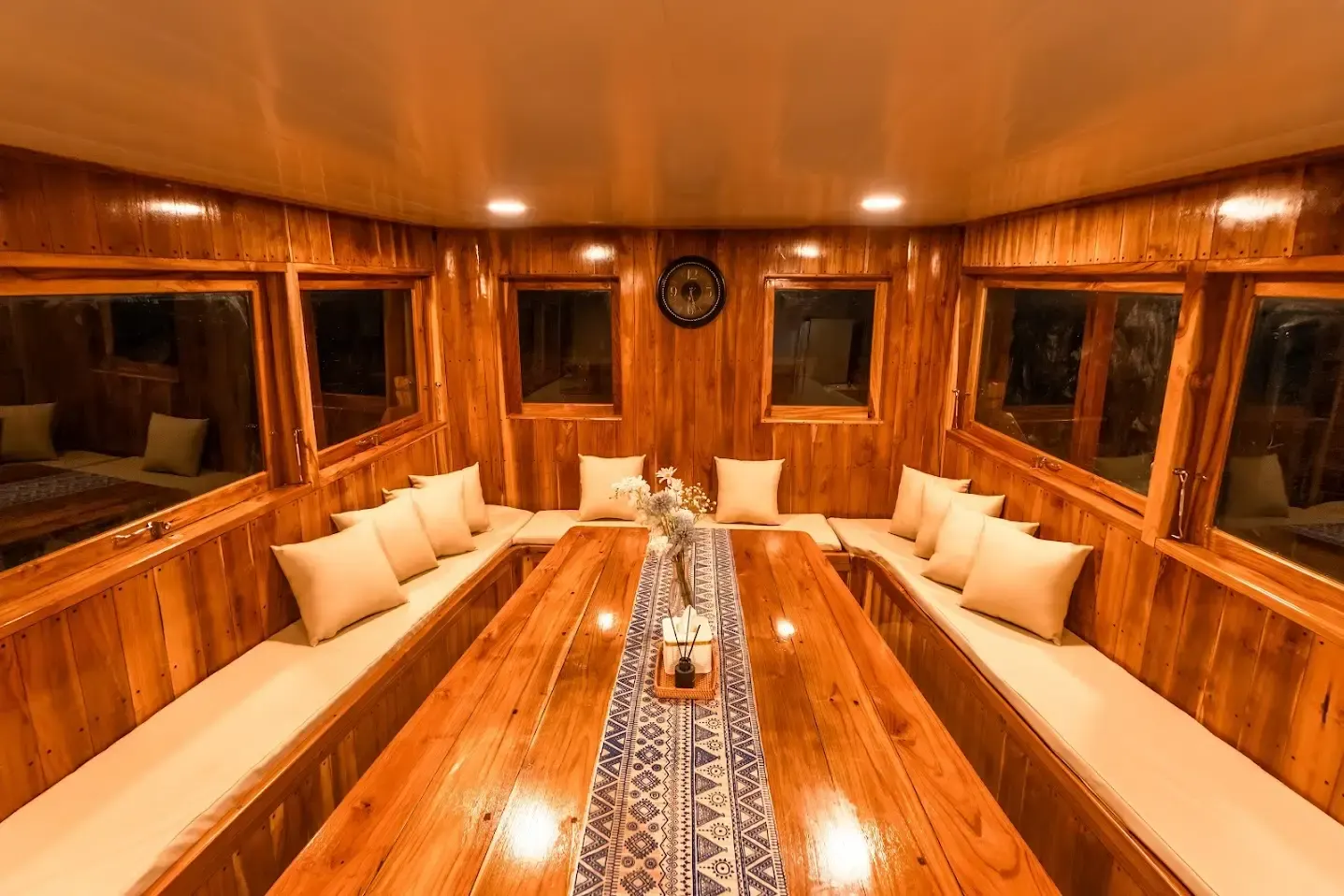
The physical shipyard is where the abstract promises of a contract meet the tangible reality of construction. I always recommend a personal visit, not just to the builder’s office in Bali, but to the build site itself, whether it’s a modern facility in Surabaya or a traditional beachfront setup in Tanah Beru. Here, you can put your hands on the materials. The keel and frames of a proper Phinisi should be crafted from kayu ulin, or Bornean ironwood, a timber so dense—up to 1.1 g/cm³—it sinks in water. For decking and superstructures, look for high-grade, legally sourced teak. Ask to see the wood storage and curing facilities; improperly dried wood is a vessel’s future nightmare.
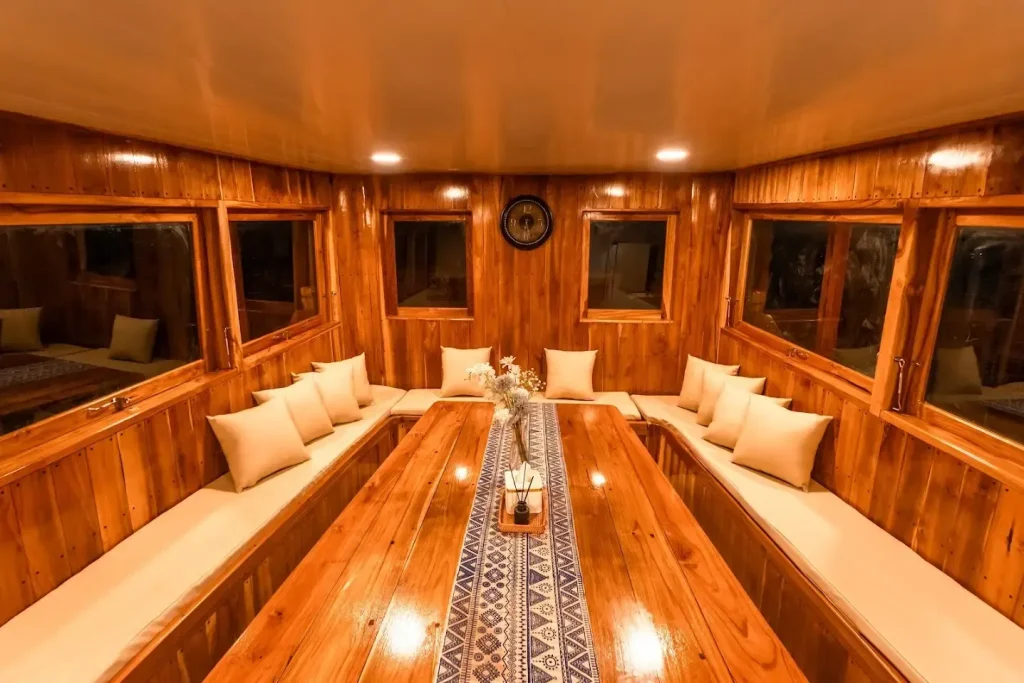
A naval architect I spoke with in Sanur, Jean-Pierre Laurent, put it perfectly: “The soul is Phinisi, but the skeleton must be 21st-century engineering.” This synthesis is the hallmark of a top-tier builder. Scrutinize the technical specifications. Which engine brands are they using? Industry standards like MAN, Caterpillar, or Yanmar are a good sign. What about the navigation and communication systems? A suite of Furuno, Simrad, or Garmin equipment is expected. How do they handle the “unseen” systems? Ask detailed questions about the desalination plants, waste treatment systems, and the capacity of the generators. A 45-meter yacht can easily consume over 500 liters of diesel per day just on hotel loads. The integration of these modern systems into a traditionally built wooden hull is a highly specialized skill. Poorly executed wiring or plumbing is not just an inconvenience; it is a significant safety hazard. A premier boat builder indonesia will have dedicated teams of certified electricians and engineers overseeing these critical installations.
Legal Waters: Classification, Contracts, and Flagging
This is perhaps the least glamorous but most critical aspect of choosing a builder. A beautiful boat with a flawed legal status is nothing more than a very expensive pier ornament. The first question should be about classification. Will the vessel be built to a specific class standard? At a minimum, it should comply with Biro Klasifikasi Indonesia (BKI), the national authority established in 1964. For a vessel intended for international travel or to attract a premium charter market, building to a more globally recognized standard like RINA (Registro Italiano Navale) or Lloyd’s Register provides a higher level of assurance and can significantly impact its resale value and insurance eligibility.
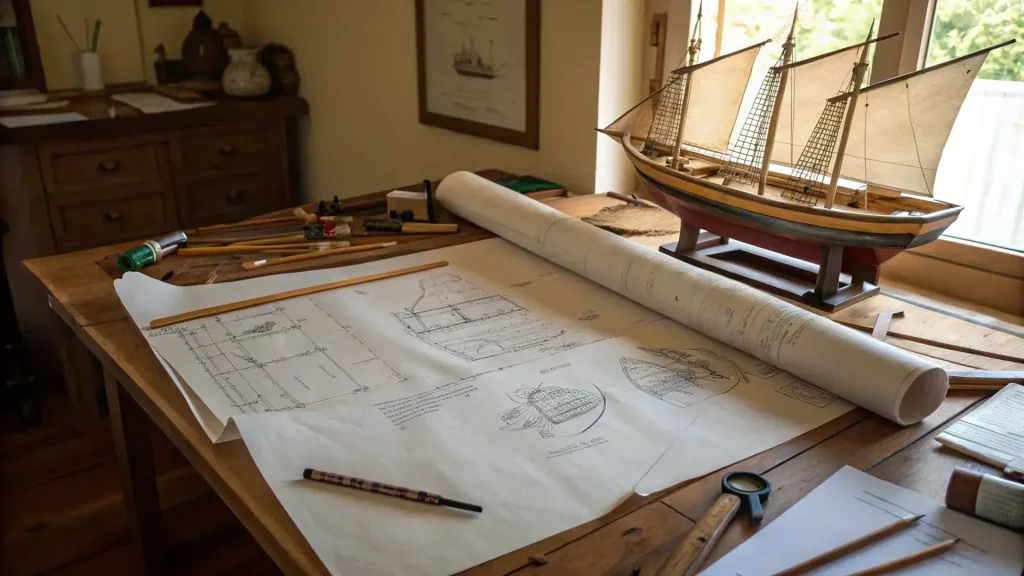
The build contract must be your bible. Do not accept a simple, one-page agreement. A proper contract, reviewed by an independent maritime lawyer, will be dozens of pages long. It will detail every specification, from the brand of air conditioning units to the thread count of the linens. It must include a clear payment schedule tied to verifiable construction milestones, not arbitrary dates. These milestones should be inspected and signed off on by your appointed surveyor or owner’s representative. The contract should also have explicit clauses regarding penalties for delays, dispute resolution mechanisms, and comprehensive warranty terms. Finally, consider the vessel’s flag. For commercial charter operations exclusively within Indonesian waters—a territory spanning over 5,000 kilometers from east to west—an Indonesian flag is mandatory. The builder should have a proven, transparent process for handling all the necessary registrations, from the initial Surat Ukur (Certificate of Measurement) to the final Gross Akte (Title of Ownership).
The Human Element: The Team on the Ground
A yacht is not built by a company; it is built by a team of people. The quality of your vessel will be a direct reflection of the skill, dedication, and communication of this team. At the heart of a traditional build is the Panrita Lopi, the master builder, who holds generations of knowledge, often without a single written blueprint. This ancestral wisdom is invaluable, but it must be paired with modern project management. Your primary point of contact should be a fluent English-speaking project manager who can act as a bridge between your vision and the artisans on the ground. They must be able to translate your request for “a seamless, contemporary interior” into actionable plans for the carpenters and electricians.
During a shipyard visit, observe the workflow and the morale of the team. Is the site organized and safe? Are the craftsmen focused and respected? I’ve found that the best yards foster a culture of collaboration, not just command. They seamlessly integrate the Panrita Lopi’s intuitive understanding of timber and balance with the precise CAD drawings from the naval architect. The most successful projects I’ve seen involved an active owner’s representative on-site, sometimes for weeks at a time, to make real-time decisions. The best custom phinisi yacht construction teams understand this is a partnership. They welcome your involvement and see it as a vital part of creating a vessel that is a true reflection of your desires, built upon a foundation of their expertise.
Calculating the True Cost: Beyond the Initial Quote
In the world of custom yacht building, the initial quote is merely the opening chapter. A suspiciously low price is the reddest of flags. It often indicates the use of substandard materials, non-certified labor, or a fundamental misunderstanding of the project’s complexity—all of which will cost you far more in the long run through change orders, delays, and costly repairs. A trustworthy builder provides a transparent, itemized quote that clearly delineates what is included. Does the price cover sea trials, classification fees, delivery, and crew training? What about tenders and water toys? These can easily add another 5-10% to the total cost.
It is crucial to budget for the vessel’s life after it leaves the shipyard. A widely accepted industry metric is that annual operating costs—including crew salaries, insurance, maintenance, fuel, and mooring—will amount to approximately 10% of the initial build price. For a $5 million yacht, that’s a $500,000 annual commitment. A responsible builder will have an open conversation with you about these long-term costs. They may even offer post-launch management and maintenance services, which can be a valuable asset, especially for owners based overseas. The value of building in Indonesia lies in achieving a level of custom, handcrafted artistry that would be financially prohibitive in Europe. But this value is only realized when the project is managed with financial discipline and transparency from day one. The goal is not to find the cheapest builder, but the one who delivers the greatest and most enduring value.
Quick FAQ
How long does it take to build a luxury Phinisi in Indonesia?
For a high-specification vessel in the 35 to 45-meter range, a realistic timeline is 18 to 24 months from contract signing to delivery. Complex, larger builds or those with highly bespoke interiors can extend closer to 30 months.
What is the main difference between an ironwood and a steel hull?
An ironwood hull offers traditional authenticity, natural insulation, and a uniquely quiet and gentle motion through the water. A steel hull provides greater structural volume for larger designs, potentially higher impact resistance, and can be simpler to classify and insure with certain international agencies, especially for expedition-style yachts over 500 gross tons.
Can I use my own interior designer?
Absolutely. The best builders are accustomed to collaborating with international designers. However, they will typically pair your designer with their in-house team to ensure that all proposed materials, fixtures, and layouts comply with stringent marine safety standards and can withstand the rigors of a tropical marine environment.
What are the premier cruising destinations in Indonesia?
The two crown jewels are Komodo National Park, famous for its dragons and vibrant reefs, and Raja Ampat in West Papua, an epicentre of marine biodiversity covering over 40,000 square kilometers of islands and sea. A capable luxury vessel allows you to explore these and countless other destinations far from the crowds, as detailed by Indonesia’s official tourism board.
Commissioning a custom yacht in Indonesia is one of the last great adventures in bespoke travel. It is a deeply personal journey into craftsmanship, culture, and creation. The vessel you build will be a platform for experiences that are simply unavailable any other way. But this dream is anchored in the reality of your choice of partner. It requires a builder with not only the hands of an artist but the mind of an engineer and the ethics of a true fiduciary. Embarking on this journey requires a partner with impeccable credentials and a deep respect for the craft. To find a truly vetted boat builder indonesia, start your conversation with the experts who understand both the dream and the details of bringing your vision to life on the waters of the archipelago.