The Impact of Climate Change on Boat Building in Indonesia
5 min read
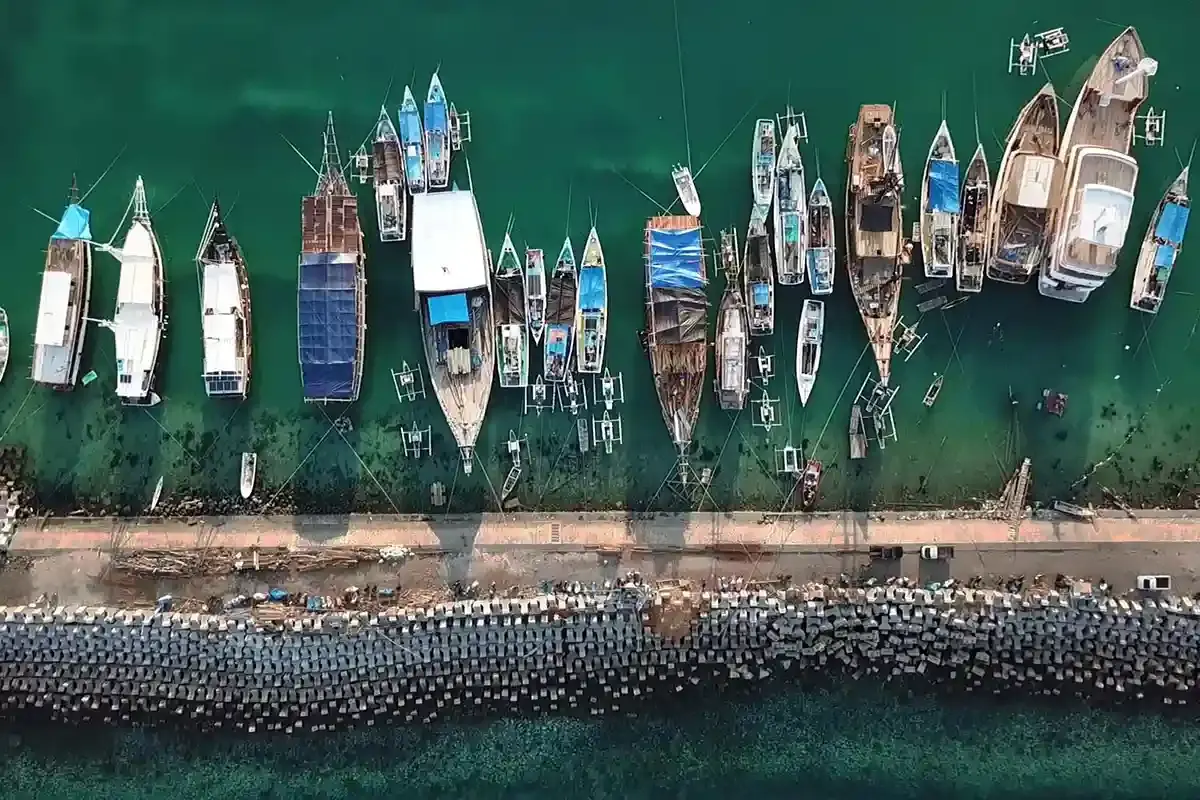
Climate change is significantly affecting boat building in Indonesia, requiring adaptation through sustainable materials and innovative design to mitigate environmental impact.
Climate Change Boat Building: A New Era
In recent years, the boat building industry in Indonesia has faced unprecedented challenges due to climate change. The archipelago, with its vast maritime territory, is particularly vulnerable to the rising sea levels, increased storm frequency, and changing weather patterns that are reshaping how boats are designed and built. These environmental shifts are not merely theoretical concerns; they manifest in tangible ways, such as the increased salinity levels affecting coastal ecosystems and infrastructures, and more frequent and intense monsoons disrupting construction schedules. As a result, there’s a growing emphasis on the use of sustainable materials and innovative construction methods to ensure the resilience and longevity of vessels.
Environmental Impact on the Boat Building Industry
The environmental impact of climate change is evident in the sourcing of materials for boat building. Traditional materials like wood are becoming scarce due to deforestation and changing ecosystems. Indonesia, which is home to some of the world’s most biodiverse forests, has seen significant impacts on its timber resources, with deforestation rates alarmingly high. This scarcity drives the industry towards more sustainable options such as recycled composites and biodegradable materials, aligning with global efforts to reduce carbon footprints. For instance, the use of recycled aluminium can reduce energy consumption by up to 95% compared to new aluminium production, significantly cutting emissions associated with boat manufacturing.
How is Climate Change Affecting the Boat Building Industry?
Climate change affects the boat building industry through increased raw material costs, supply chain disruptions, and the need for more resilient designs to withstand severe weather conditions. The increase in global temperatures has led to unpredictable weather patterns, which can delay production timelines and increase costs. Furthermore, the rising cost of raw materials, exacerbated by global supply chain disruptions, poses a significant challenge to maintaining competitive pricing. These challenges necessitate a shift towards sustainable practices and materials, ensuring boats are both environmentally friendly and durable. For example, builders are now investing in research and development to create polymers that are not only sustainable but also resistant to the corrosive effects of saltwater, thereby extending the lifespan of the vessels.
Sustainable Materials in Modern Boat Building
As the industry evolves, sustainable materials are becoming a cornerstone of boat construction. These include flax fibres, recycled plastics, and bio-resins, which offer not only environmental benefits but also improved durability and performance. Flax fibres, for instance, are rapidly renewable and provide a high strength-to-weight ratio, making them ideal for lightweight vessels. Recycled plastics, when used in hull construction, help reduce waste and lower the overall carbon footprint of the boat. Bio-resins, derived from plant-based sources, are increasingly used as an alternative to traditional petroleum-based resins, offering reduced emissions during production. Boat builders in Indonesia are increasingly adopting these materials to meet both regulatory standards and consumer demand for eco-friendly products. This transition is supported by partnerships with local research institutions that focus on developing and testing new materials suitable for marine environments.
Innovative Design Solutions
To combat the impacts of climate change, boat builders are turning to innovative design solutions. These include aerodynamic hulls that reduce drag and improve fuel efficiency, and solar-powered propulsion systems that decrease reliance on fossil fuels. Aerodynamic hulls, designed using advanced computer modelling, can increase a boat’s speed by 10-15% while reducing fuel consumption. Solar-powered systems, equipped with photovoltaic cells, can provide a sustainable power source for both propulsion and onboard systems, significantly cutting down greenhouse gas emissions. Such advancements are crucial for maintaining the competitiveness of Indonesia’s boat building industry in a rapidly changing world. Additionally, the integration of smart technology allows for real-time monitoring of weather conditions and fuel efficiency, enabling more responsive and efficient navigation.
- Adoption of renewable energy sources in boat operations
- Use of advanced materials for reduced environmental impact
- Implementation of eco-friendly manufacturing processes
- Development of designs that enhance energy efficiency
For more information on safe and sustainable practices in boat building, explore our safety guidelines.
Challenges and Opportunities
While climate change poses significant challenges, it also offers opportunities for innovation. The demand for sustainable boats is growing, driven by both environmental concerns and market trends. According to recent market analyses, the global demand for eco-friendly vessels is expected to grow by approximately 6% annually over the next decade, presenting a lucrative opportunity for forward-thinking builders. Indonesia’s boat builders are well-positioned to lead this transformation by embracing new technologies and sustainable practices. Government incentives, such as tax breaks for companies investing in green technologies, further encourage this transition. As we move further into the decade, the focus on sustainability in boat building is expected to intensify. Government policies and international regulations are likely to become stricter, pushing the industry towards even more eco-friendly solutions.
For a deeper understanding of Indonesia’s boat building industry, visit our comprehensive overview page.
FAQ
What are sustainable materials in boat building?
Sustainable materials include flax fibres, recycled plastics, and bio-resins, which are environmentally friendly alternatives to traditional materials. These materials not only help in reducing the environmental impact but also contribute to the durability and performance of modern boats.
How do innovative designs help in reducing environmental impact?
Innovative designs, such as aerodynamic hulls and solar-powered systems, improve fuel efficiency and reduce reliance on fossil fuels, thereby minimizing environmental impact. These designs are crucial for adapting to the challenges posed by climate change, ensuring that boats are both efficient and environmentally responsible.
Why is the adoption of sustainable practices important for the future of boat building?
Adopting sustainable practices ensures the long-term viability of the boat building industry by addressing environmental concerns and meeting consumer demands for eco-friendly products. As regulations become more stringent and consumer awareness increases, sustainability becomes not only a competitive advantage but a necessity for industry survival.
Planning for 2027: figures and schedules quoted above are based on the 2027 season — double-check specifics closer to your travel date.