The Influence of Indonesian Culture on Boat Design
4 min read
Indonesian culture significantly shapes boat design through traditional influences and cultural aesthetics, resulting in distinctive and functional vessels. These design elements reflect Indonesia’s rich heritage and adapt to contemporary needs, enhancing both form and functionality.
Indonesian Culture Boat Design
Boat design in Indonesia is a compelling blend of traditional influences and cultural aesthetics. This unique approach to boat building has been honed over generations, resulting in vessels that are not only functional but also rich in cultural significance. The integration of cultural elements into boat design reflects Indonesia’s diverse heritage and its maritime traditions. With over 17,000 islands, Indonesia’s geography necessitates a deep connection with the sea, which is evident in the boat designs that vary from region to region, each bringing its own cultural nuances.
Traditional Influences on Boat Design
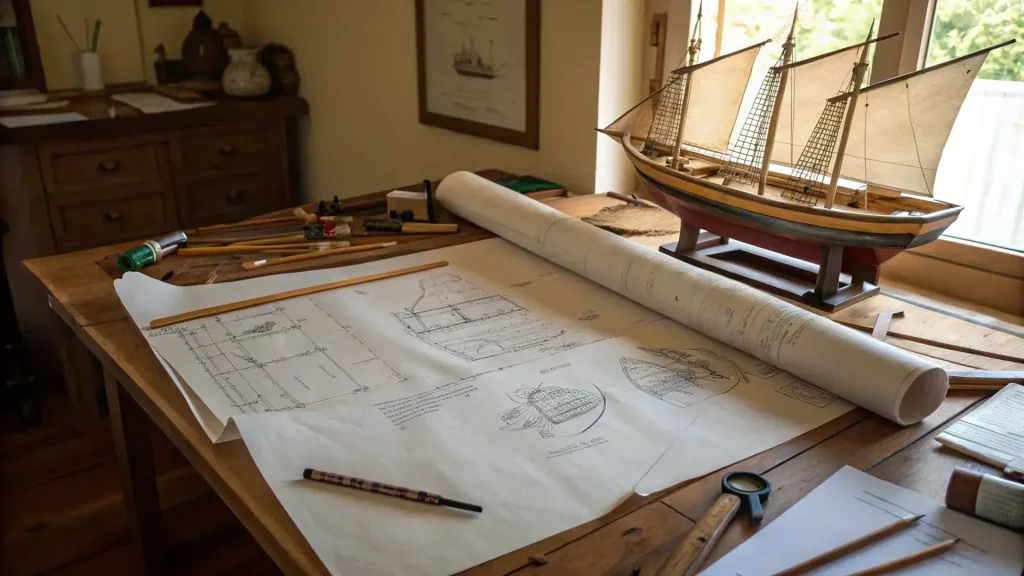
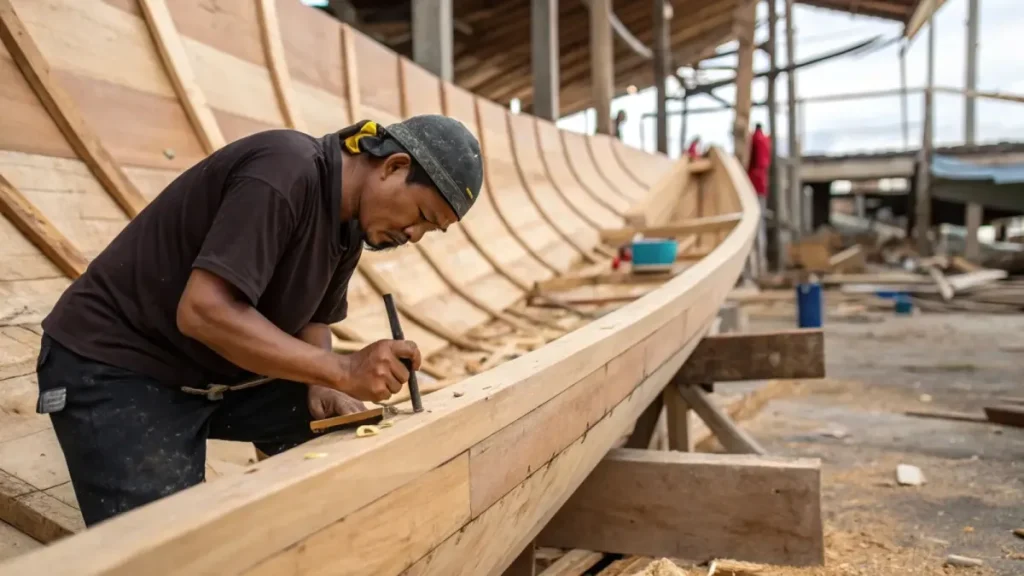
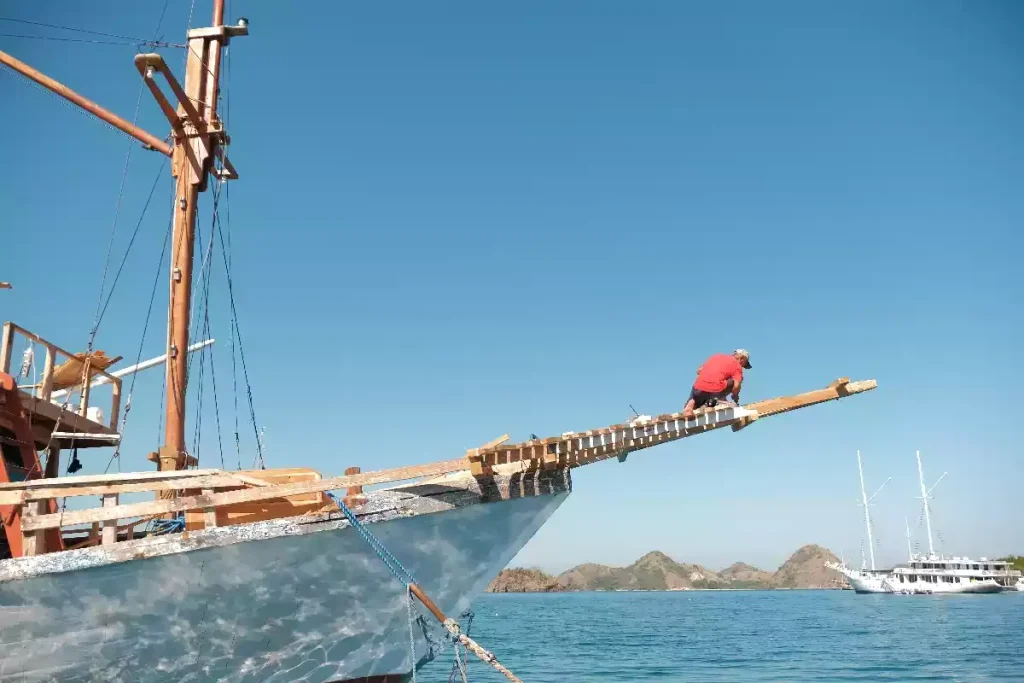
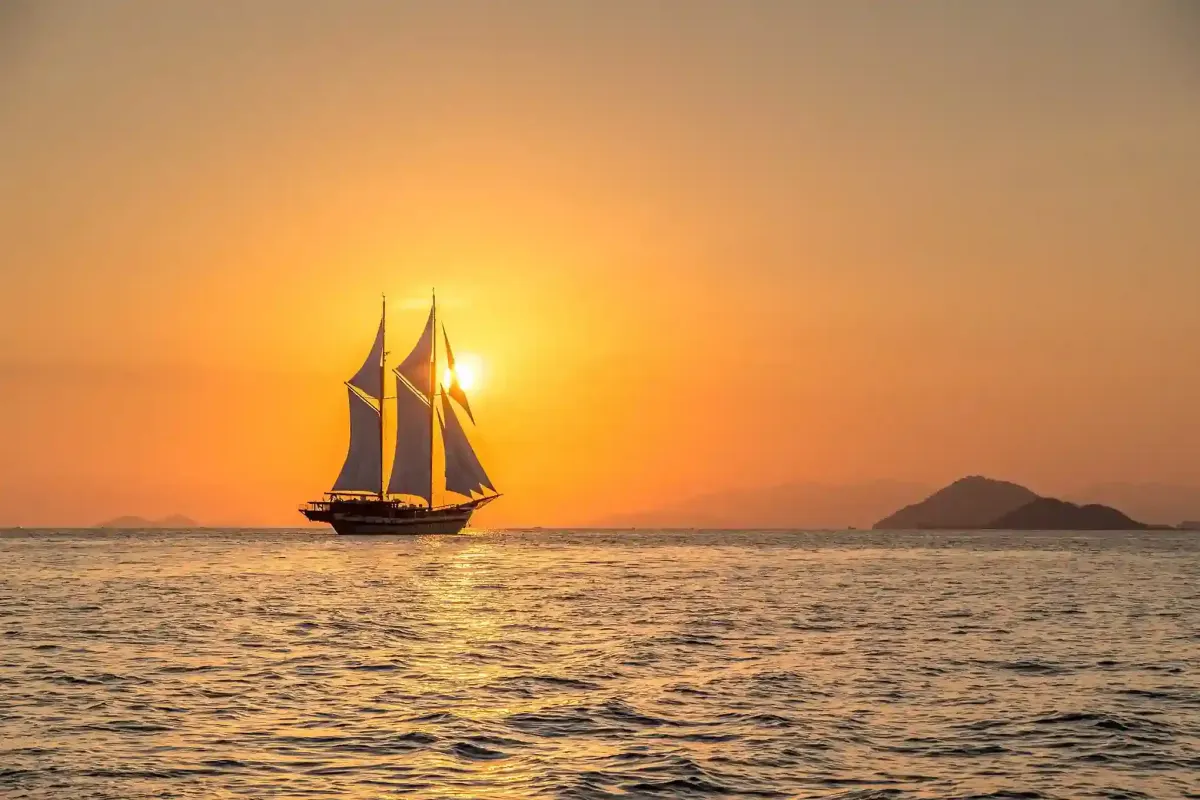
The traditional influences on Indonesian boat design are profound. One of the most notable is the phinisi, a two-masted sailing ship originating from the Bugis and Makassar peoples of South Sulawesi. These vessels are renowned for their remarkable craftsmanship and are a to the skill and knowledge passed down through generations. The phinisi has been recognised by UNESCO as an Intangible Cultural Heritage of Humanity, underscoring its cultural importance. These ships, which can range from 10 to 50 metres in length, are still constructed using traditional methods in places like Tana Beru, where entire communities participate in the construction process.
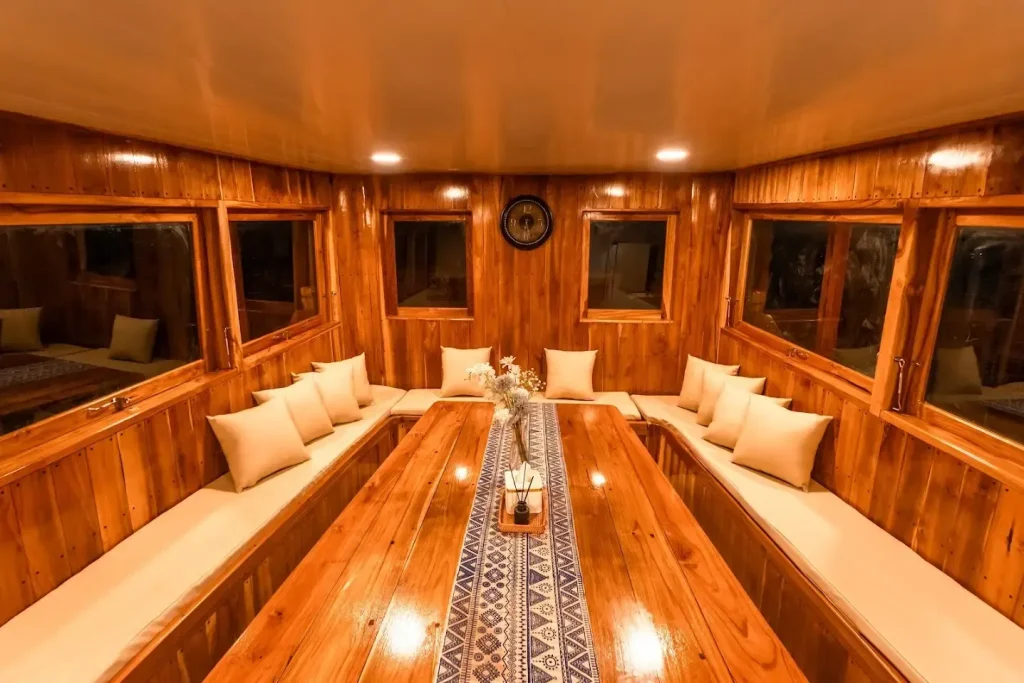
- Materials: Local materials such as teak wood and ironwood are commonly used, chosen for their strength and durability. Teak, which is abundant in Indonesia, offers natural resistance to water and pests, making it ideal for maritime use. Ironwood, known for its density and strength, is often used in the keel and frame to ensure the vessel’s longevity.
- Techniques: Traditional techniques, including the use of pegs instead of nails, are employed to create robust and seaworthy vessels. The use of wooden dowels rather than metal fasteners ensures flexibility and durability, allowing the wood to expand and contract without splitting, which is crucial in the humid, maritime climate.
- Symbolism: Decorative elements, often inspired by local myths and stories, are integral to the design, adding layers of meaning and cultural identity to each boat. The bow of the phinisi often features carvings depicting sea creatures or protective symbols intended to safeguard the vessel and its crew.
Influence of Cultural Aesthetics
Cultural aesthetics play a crucial role in shaping the visual appeal of Indonesian boats. From intricate carvings to vibrant colours, each element is carefully considered to reflect the cultural values and artistic expressions of various Indonesian communities. The Minangkabau people, for example, incorporate their distinct curved roof designs into boat structures, symbolising buffalo horns. This attention to detail ensures that each vessel is not only a means of transport but also a piece of art. The use of bright colours often signifies different meanings, with red symbolising bravery, yellow prosperity, and green fertility.
Explore how these cultural aesthetics are incorporated in modern boat designs, maintaining a balance between tradition and innovation.
Modern Adaptations
While traditional influences remain strong, modern adaptations have also been integrated into Indonesian boat design. Advances in technology and changing consumer needs have driven the incorporation of new materials and design techniques. Fibreglass and aluminium are increasingly used for their lightweight properties and resistance to corrosion. However, the essence of traditional design is often preserved, ensuring that modern boats remain connected to their cultural roots.
For instance, safety features have been enhanced to meet global standards, while maintaining the cultural aesthetics that are characteristic of Indonesian vessels. Modern phinisi may now be equipped with GPS, radar, and other navigational aids, ensuring safety without compromising their traditional look. Discover more about the safety enhancements in contemporary boat designs.
2027 Note
As of 2027, the influence of Indonesian culture on boat design continues to be a significant factor in the global maritime industry. This influence is evident in the increasing demand for culturally rich and aesthetically pleasing vessels. The blend of traditional techniques with modern innovations positions Indonesian boat builders at the forefront of sustainable and culturally conscious maritime design. The global shift towards environmentally friendly practices aligns with traditional Indonesian methods, which naturally emphasise sustainability through the use of local, renewable materials and manual craftsmanship.
FAQ
How does Indonesian culture influence modern boat design?
Indonesian culture influences modern boat design by incorporating traditional materials and techniques, such as the use of local woods and symbolic carvings, while integrating modern technology and safety standards. This fusion allows for the production of boats that meet contemporary needs without losing their cultural essence.
What are the key traditional influences in Indonesian boat design?
Key traditional influences include the use of local materials like teak wood, traditional construction techniques such as pegging, and the incorporation of symbolic decorative elements. These elements ensure that each vessel remains a reflection of Indonesia’s rich cultural .
How have modern adaptations impacted Indonesian boat design?
Modern adaptations have introduced new materials and technology, enhancing safety and functionality, while preserving the cultural aesthetics and traditional elements of Indonesian boat design. This evolution allows Indonesian boats to compete globally, offering unique vessels that are both functional and culturally significant.