Adapting to Environmental Regulations in Boat Manufacturing
5 min read
Boat manufacturing in Indonesia is increasingly focused on adapting to environmental regulations, ensuring compliance through innovative eco-friendly production techniques that meet 2027 standards.
Understanding Environmental Regulations in Boat Manufacturing
The year 2027 marks a significant period for boat manufacturers in Indonesia as they navigate a complex landscape of environmental regulations. These regulations are designed to minimise the industry’s ecological impact by focusing on reducing emissions, managing waste, and adopting sustainable materials. The Indonesian government, alongside international bodies, has set stringent standards that aim to ensure the preservation of marine ecosystems and the reduction of carbon footprints associated with boat manufacturing. Compliance with these regulations is crucial for manufacturers aiming to remain competitive in the global market while supporting ecological sustainability.
In detail, the regulations stipulate specific emission thresholds that boats must adhere to, particularly concerning nitrogen oxides (NOx) and sulphur oxides (SOx), which are common pollutants from marine engines. Manufacturers are required to utilise advanced propulsion systems and alternative fuels to meet these emission standards. Furthermore, waste management protocols must be established to handle industrial by-products responsibly, ensuring they do not contaminate the surrounding environment.
Compliance Strategies for Boat Manufacturers
To meet these environmental regulations, Indonesian boat manufacturers are employing a variety of compliance strategies. A key area of focus is on investing in research and development to innovate more sustainable production methods. This investment helps in developing new technologies that reduce the environmental impact of boat construction and operation.
Incorporating renewable energy sources within manufacturing processes is another critical strategy. For instance, solar panels and wind turbines are increasingly being used to power manufacturing facilities, thereby reducing reliance on fossil fuels and lowering overall carbon footprints. Manufacturers are also enhancing their waste management systems to ensure minimal environmental impact, employing methods such as recycling and reusing materials whenever possible.
- Implementing energy-efficient technologies: This includes upgrading machinery and equipment to more efficient models that consume less power.
- Utilising recyclable and biodegradable materials: Manufacturers are sourcing materials that can be recycled at the end of their life cycle or that degrade naturally without harming the environment.
- Conducting regular environmental audits: These audits help identify areas of improvement in terms of sustainability practices and ensure ongoing compliance with regulations.
- Training staff on sustainable practices: Employees are educated on the importance of sustainability and trained in eco-friendly practices that can be applied in their daily work routines.
For more detailed insights on safe manufacturing practices, see our article on boat manufacturing safety standards.
Eco-Friendly Production Methods
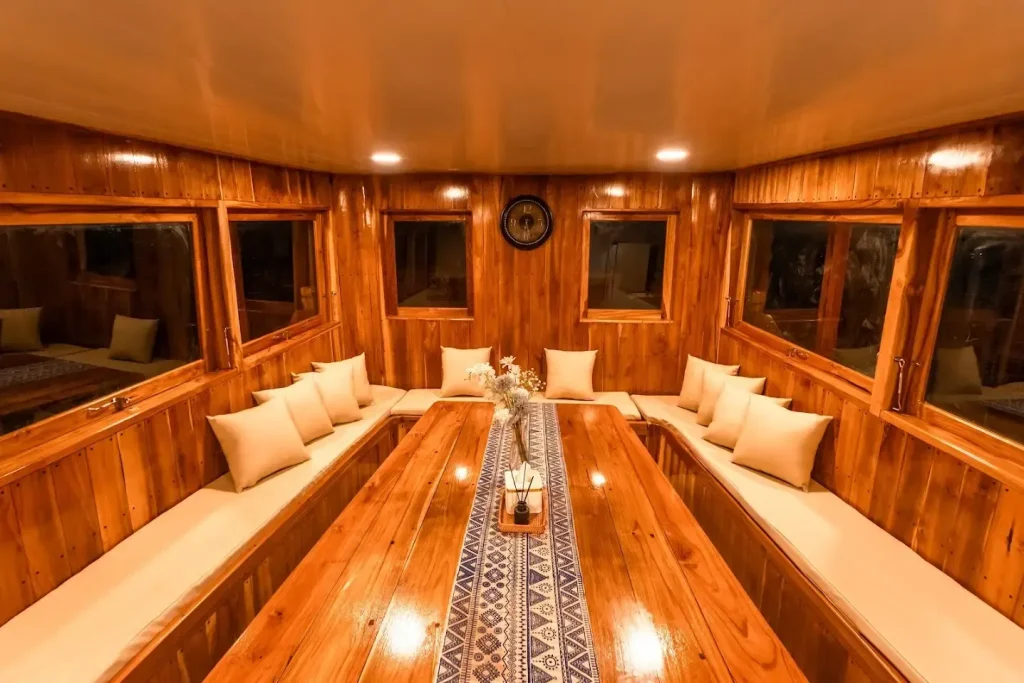
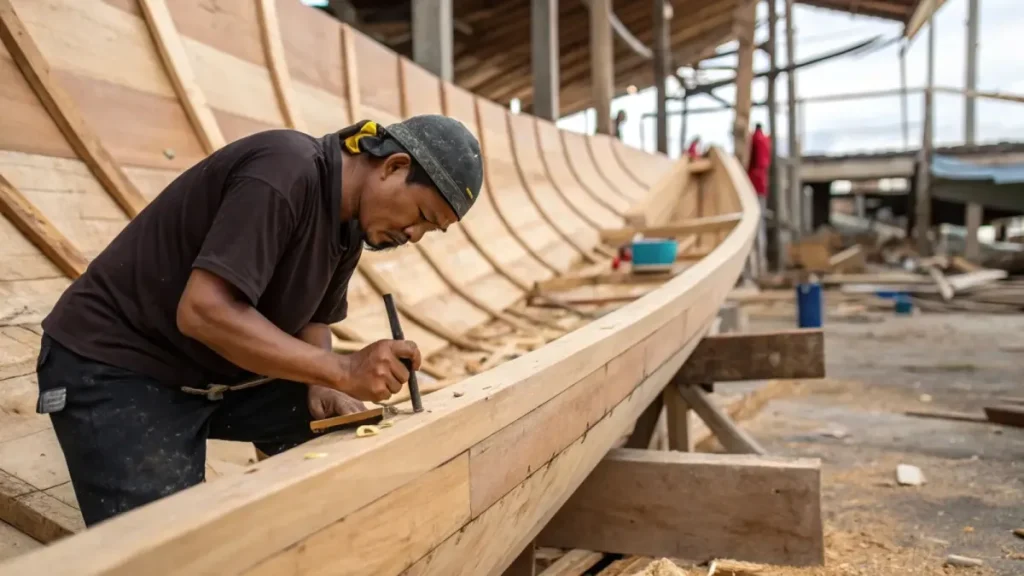
Eco-friendly production has become a cornerstone of modern boat manufacturing. This involves using materials that have lesser environmental impacts, such as sustainably sourced wood and non-toxic paints. The use of sustainably sourced wood ensures that forests are not depleted and that the ecological balance is maintained. Non-toxic paints are crucial in preventing harmful chemicals from leaching into waterways, thus protecting marine life.
Additionally, manufacturers are exploring the use of alternative fuels for propulsion systems, such as biofuels and liquefied natural gas (LNG), which contribute to reduced emissions. These fuels are not only cleaner but also more efficient, leading to reduced operational costs over time. Electric propulsion systems are also being developed, providing a zero-emission alternative for smaller boats and yachts.
These advancements not only align with environmental regulations but also cater to the growing market demand for environmentally conscious products. Consumers are increasingly aware of their environmental impact and are choosing products that reflect their values, providing manufacturers with a compelling business case for sustainable production.
Challenges and Opportunities
While adapting to environmental regulations poses challenges, it also presents opportunities for innovation. The initial cost of transitioning to eco-friendly practices can be high; however, the long-term benefits include reduced operational costs and enhanced market appeal. For instance, energy-efficient technologies may require significant upfront investment, but they lead to substantial savings on energy bills over time.
Manufacturers are finding that by investing in sustainable technologies, they can create a unique value proposition that sets them apart in the competitive marketplace. The ability to differentiate through sustainability not only attracts environmentally conscious consumers but also opens up new markets and potential partnerships with other eco-focused businesses.
| Challenge | Opportunity |
|---|---|
| High initial investment | Long-term cost savings |
| Complex regulatory requirements | Market differentiation |
| Supply chain adjustments | Improved sustainability credentials |
Explore how Indonesian boat builders are enhancing their environmental credentials on our main page.
2027 Note: Future of Boat Manufacturing
As of 2027, the boat manufacturing industry in Indonesia is poised at the cusp of further innovation in sustainability. With increasing environmental awareness among consumers, manufacturers are under pressure to not only meet current regulations but also anticipate future changes. This dynamic environment encourages continuous improvement and adaptation, ensuring that the industry remains robust and forward-thinking.
Manufacturers are looking beyond current regulations to future-proof their operations. This includes investing in technologies such as artificial intelligence and the Internet of Things (IoT) for smarter, more efficient manufacturing processes. By doing so, they aim to create boats that are not only compliant with future regulations but also exceed consumer expectations in terms of performance and sustainability.
FAQ
How are boat manufacturers adapting to new environmental regulations?
Boat manufacturers are adapting by integrating sustainable materials, enhancing waste management, and employing energy-efficient technologies to meet and exceed current environmental standards. They are also investing in alternative propulsion systems and renewable energy sources to further reduce their environmental impact.
What are the benefits of eco-friendly production in boat manufacturing?
Eco-friendly production reduces environmental impact, lowers long-term costs, and meets consumer demand for sustainable products, enhancing brand reputation. Additionally, it opens up new market opportunities and potential partnerships with other eco-focused businesses.
What challenges do manufacturers face in complying with environmental regulations?
Challenges include the high initial investment for new technologies, navigating complex regulatory requirements, and modifying supply chains to source sustainable materials. However, overcoming these challenges can lead to significant competitive advantages and long-term sustainability benefits.