Price Guide: Commissioning a Custom Yacht from Indonesian Builders
8 min read
- Vessel Size & Tonnage: The single largest cost driver, impacting material and labor quantities.
- Hull Material & Complexity: Traditional ironwood (Ulin) and teak construction versus a modern steel or aluminum hull.
- Interior Fit-Out & Systems: The level of luxury, from joinery and finishes to imported navigation and propulsion systems.
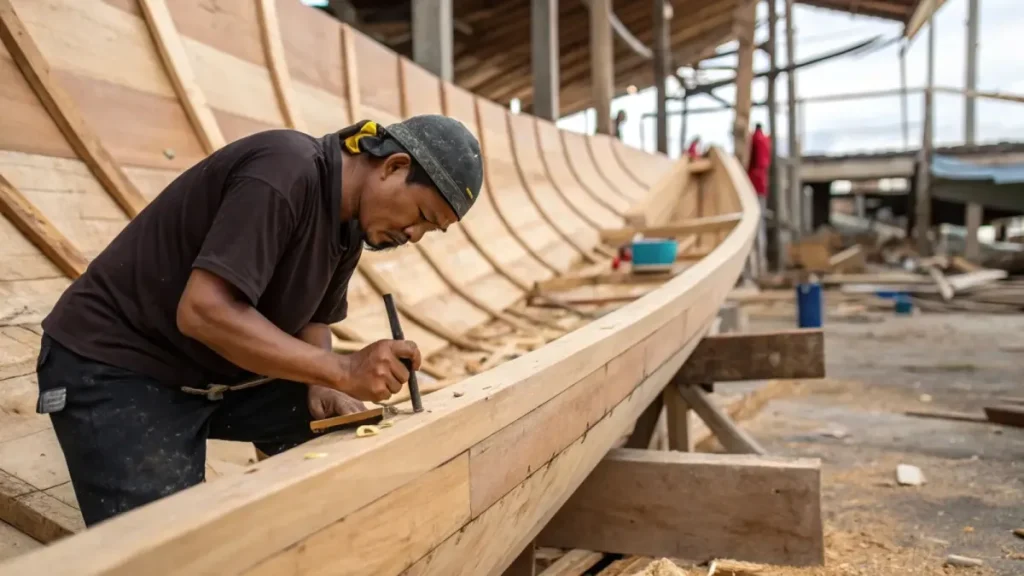
The air in Tanah Beru, South Sulawesi, is thick with the scent of fresh-cut teak and the faint, briny tang of the Flores Sea. You hear the rhythmic tap of wooden mallets against dowels, a percussive sound that has echoed along these shores for centuries. This is not a factory floor; it is a living workshop, the very cradle of the Phinisi schooner. Here, the abstract dream of a custom vessel becomes tangible reality, plank by plank. For a discerning group of global adventurers and investors, the question is no longer *if* they will commission a yacht, but *where*. And increasingly, the answer is Indonesia, where ancient maritime artistry meets a compelling modern value proposition.
The Allure of the Indonesian Build: Beyond the Balance Sheet
To understand the economics of building a yacht in Indonesia is to appreciate a different definition of value. While the cost savings compared to European yards can be significant—often ranging from 30% to 50% for a comparable vessel—the true draw is the access to a specific kind of craftsmanship. We’re speaking of the Konjo boat builders of Sulawesi, whose traditional Phinisi shipbuilding art was inscribed on the UNESCO list of Intangible Cultural Heritage of Humanity in 2017. This is not just boat building; it is the continuation of a lineage. These artisans work from memory, not blueprints, shaping the massive timbers of ironwood and teak with an instinct honed over generations. A 35-meter luxury Phinisi might require over 50,000 man-hours, a figure that would be financially prohibitive in most Western yards. The result is a vessel with a story, a soul, built by a community whose identity is inextricably linked to the sea. This unique synthesis of heritage and value is precisely why so many are seeking a custom Phinisi yacht construction experience. The archipelago itself, with over 17,000 islands, provides the ultimate cruising ground right at the shipyard’s doorstep, a fact heavily promoted by tourism bodies like indonesia.travel.
Deconstructing the Cost: Where Your Investment Goes
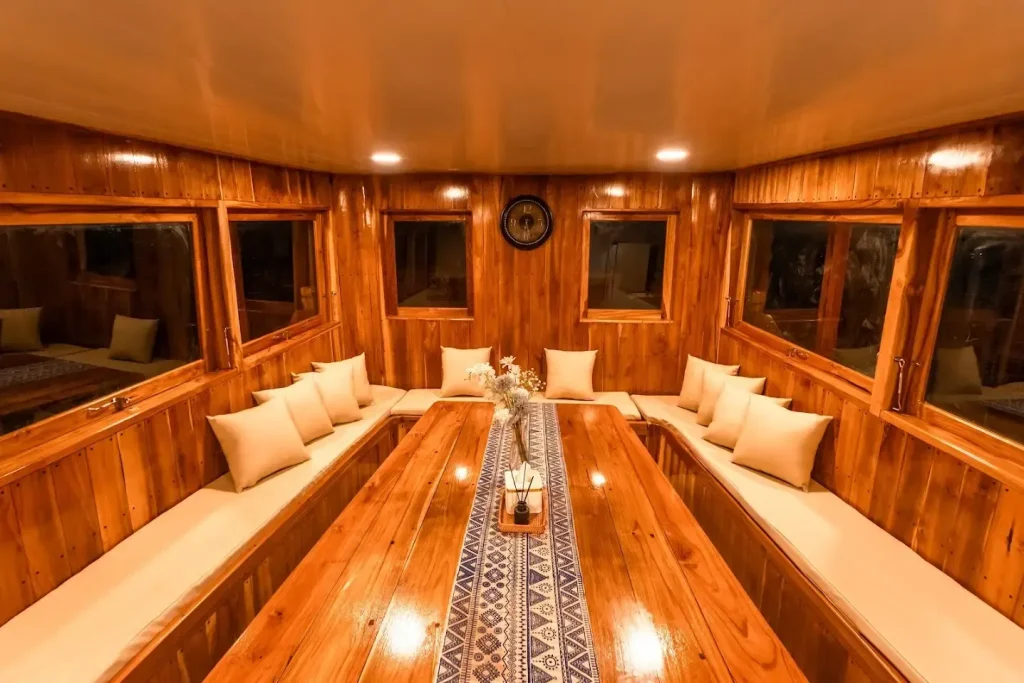
When you commission a custom yacht from Indonesian builders, the final invoice is a composite of several key areas. The foundational cost, typically 35-40% of the total budget, is the hull and superstructure. For a traditional Phinisi, this means sourcing high-quality, properly seasoned wood. Indonesian ironwood, or *kayu ulin*, is the gold standard for the hull due to its incredible density and resistance to marine borers. As of 2023, top-grade ulin can cost upwards of $1,500 per cubic meter, and a 40-meter yacht can easily require over 200 cubic meters. Teak, used for the decks and superstructure, follows a similar pricing structure. The second major cost center, accounting for 25-30%, is the engineering and propulsion. This is where modern technology integrates with traditional form. A pair of reliable marine diesel engines from manufacturers like Yanmar or MAN can range from $50,000 to over $200,000. Add to this the generators (at least two for redundancy), water makers, air conditioning systems, and the complex electrical wiring plan, and the costs accumulate quickly. The final 30-35% of the budget is dedicated to the interior fit-out and finishing. This is the most variable component, entirely dependent on the owner’s vision. A minimalist, elegant interior might cost $1,000 per square meter, while a truly opulent design with Italian marble, bespoke furniture, and high-end Miele appliances could easily exceed $3,000 per square meter.
The Phinisi vs. The Modern Motor Yacht: A Cost Comparison
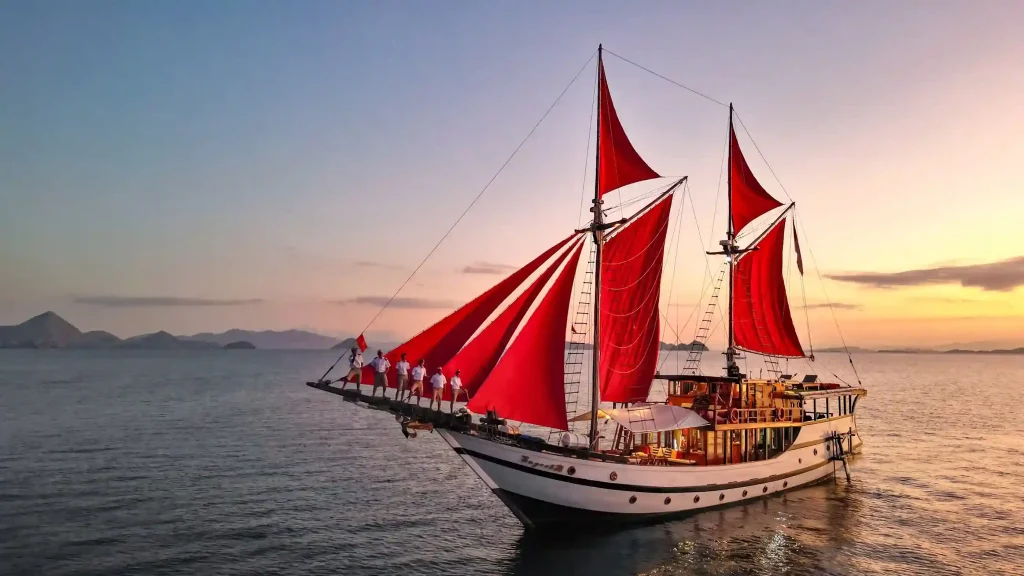
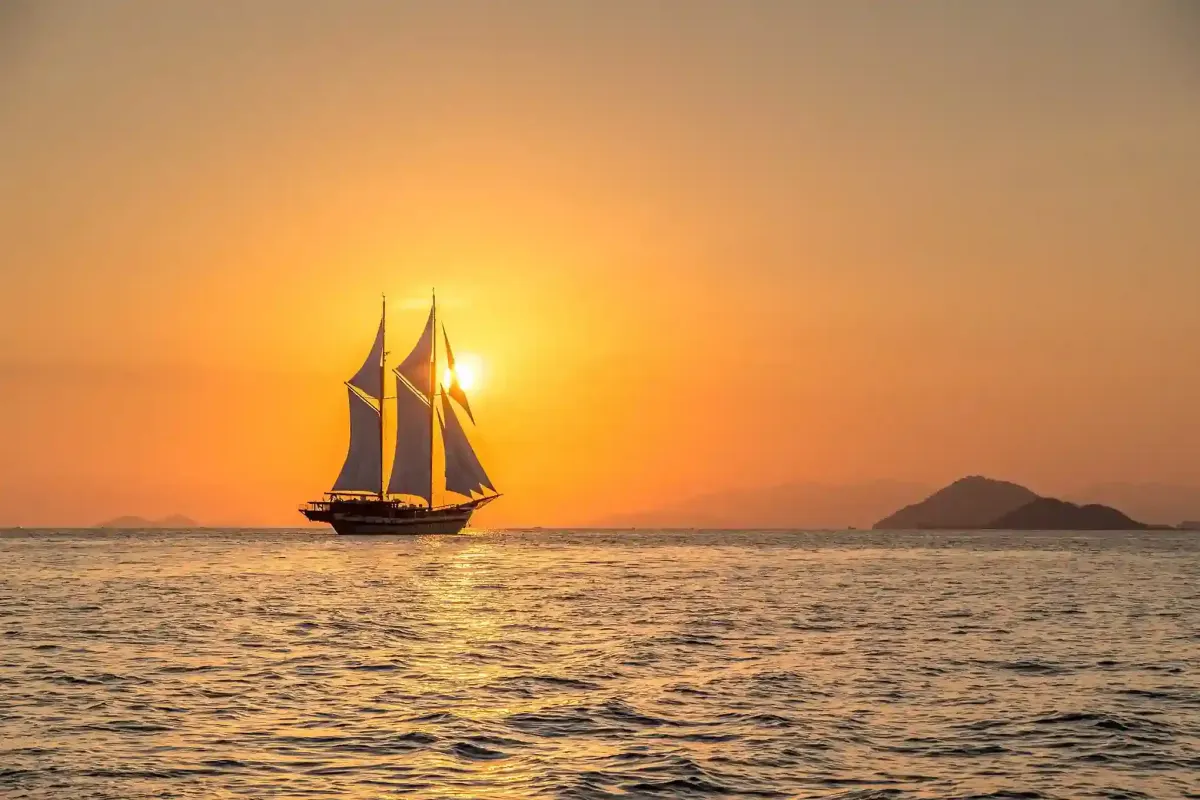
The choice between commissioning a traditional two-masted Phinisi and a contemporary steel-hulled motor yacht represents two different philosophies, each with its own cost structure. A luxury Phinisi, ranging from 30 to 45 meters, typically falls into a price bracket of $1.5 million to $4 million. The primary cost drivers are the quality and sourcing of the timber and the sheer man-hours of artisanal labor. While the systems aboard are modern, the essence of the vessel’s value lies in its handcrafted wooden hull and superstructure. These vessels excel in the charter market of destinations like Komodo and Raja Ampat, where their classic silhouette and expansive deck space are highly prized. Conversely, a steel or aluminum motor yacht of a similar size built in an Indonesian yard, for instance in Batam, might start at a slightly higher entry point, perhaps $2 million, and can escalate rapidly. Here, the material cost per ton is lower than that of top-grade ironwood, but the technical labor is more specialized. The welding, plate forming, and fairing of a metal hull require a different skill set and more sophisticated equipment. Furthermore, motor yachts often incorporate more complex systems, such as zero-speed stabilizers, advanced navigation suites, and powerful bow thrusters, all of which are typically imported and subject to significant duties. The right boat builder indonesia will have a portfolio showcasing experience with both styles, allowing for a transparent discussion of the trade-offs.
Build Process: Timelines and Milestones
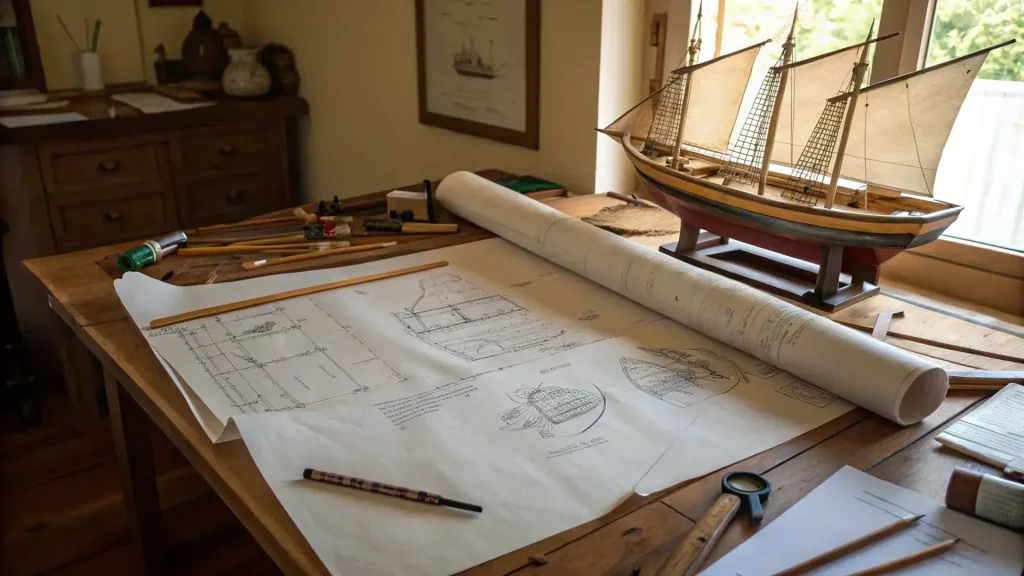
From initial sketch to celebratory launch, commissioning a custom 35-meter yacht in Indonesia is typically an 18 to 24-month engagement. The process is marked by a series of critical milestones, which are almost always tied to the payment schedule. The journey begins with the design and naval architecture phase, often lasting 2-3 months, culminating in a contract and an initial deposit, usually 10% of the total build cost. The first tangible step is the keel-laying ceremony, a deeply significant cultural event in Sulawesi, which triggers the second payment tranche of around 20%. The next 8-12 months are dedicated to the construction of the hull and superstructure, the most labor-intensive phase. Payments are often structured around key completion points, such as the finishing of the framing or the planking of the hull. Once the vessel is watertight, the focus shifts to the interior. Systems installation—engines, plumbing, electrical—happens concurrently, a complex dance of logistics that takes another 6-8 months. This is where having a dedicated, on-the-ground project manager becomes invaluable. The final 10% of the payment is typically reserved for after the successful completion of sea trials and the formal handover of the vessel. One yard manager in Bira confided, “The best projects are partnerships. When the owner is engaged and the communication is constant, we can solve any problem.”
The Hidden Variables: Factors That Influence the Final Price Tag
Beyond the core costs of materials and labor, several other factors can significantly impact the final price of a custom yacht from Indonesian builders. The choice of naval architect and interior designer is paramount. Fees for a reputable international design firm can account for 5-10% of the total build cost, but their expertise ensures a seaworthy, aesthetically pleasing, and functional vessel. Classification is another major consideration. Building to a recognized standard, such as Lloyd’s Register or even the local Biro Klasifikasi Indonesia (BKI), adds a layer of quality control and assurance. This process involves rigorous inspections and documentation, adding between $50,000 and $150,000 to the budget, but it vastly improves the yacht’s safety, insurability, and resale value. Perhaps the most significant hidden cost is Indonesia’s import duties and taxes on foreign-made equipment. Marine engines, navigation electronics from brands like Furuno or Garmin, and high-end galley appliances can be subject to taxes that add 20-40% to their original price. A savvy project manager or a well-established boat builder in Indonesia can help navigate this complex landscape, sometimes utilizing special economic zones like Batam to mitigate these duties. Finally, do not underestimate the cost of project management itself. A dedicated owner’s representative based in Indonesia might cost $5,000-$8,000 per month, but their oversight can save hundreds of thousands in costly errors, delays, and miscommunications.
Quick FAQ: Your Questions on Indonesian Yacht Building Answered
We often receive queries from prospective owners considering a build in the archipelago. Here are answers to a few of the most common questions we hear at the magazine.
Q: What are the main boat building hubs in Indonesia?
A: The craft is geographically diverse. South Sulawesi, specifically the areas of Tanah Beru and Bira, is the historic heart of traditional Phinisi construction, as detailed by Wikipedia. For modern steel and aluminum yachts, as well as refit services, the island of Batam, with its free-trade zone status and proximity to Singapore, is a major center. Bali has also emerged as a hub for high-end custom builds and luxury interior fit-outs.
Q: How does the quality of an Indonesian build compare to a European one?
A: It’s a different philosophy of excellence. Indonesian yards excel in timber craftsmanship that is largely extinct in Europe. The quality of the joinery and woodwork can be world-class. Where European yards often lead is in the application of cutting-edge composites and precision-engineered systems. However, with strong Western project management and the importation of key components, an Indonesian-built yacht can achieve a level of fit and finish that rivals its global competitors, at a fraction of the cost.
Q: What is the resale value of an Indonesian-built custom yacht?
A: This depends heavily on the quality of the initial build, the maintenance record, and the vessel’s reputation. A well-documented, well-maintained luxury Phinisi with a strong charter history in a region like the Coral Triangle can hold its value remarkably well. The market for these unique vessels is robust, driven by the growth of experiential tourism. Steel motor yachts also have a solid secondary market, provided they were built to a recognized classification standard.
The decision to commission a custom yacht is the start of an incredible undertaking. To do so in Indonesia is to participate in a living heritage, blending your personal vision with centuries of maritime mastery. It is a process that demands diligence, clear communication, and a trusted local partner. The final product is more than just a vessel; it is a floating masterpiece, global collaboration, and your private gateway to the most diverse archipelago on Earth. The journey to creating your own vessel, be it a majestic Phinisi or a sleek explorer yacht, begins with a conversation. Connect with a premier boat builder indonesia to translate your vision from a dream into a set of coordinates.